The Interview Trap: The "Margin-Only" or "Churn-Blind" Overhaul
The interviewer sets a complex business monetization problem on the table: "To support expanding infrastructure costs, leadership wants to migrate our existing mid-tier subscriber base to a new 20% higher pricing tier. How do you design and execute this strategy without triggering massive customer churn or a brand PR crisis?" Most candidates tank this by thinking purely about the financial ledger: "I’d calculate the new margin, send out a mass billing notification, and automatically update the subscription renewal prices." Stop. Altering a monetization model is not a simple database update—it is an emotional event that directly tests user trust. In a FAANG monetization or product strategy round, they are evaluating your User Retention Mechanics, Monetization Psychology, and Communication Enablement Strategy.
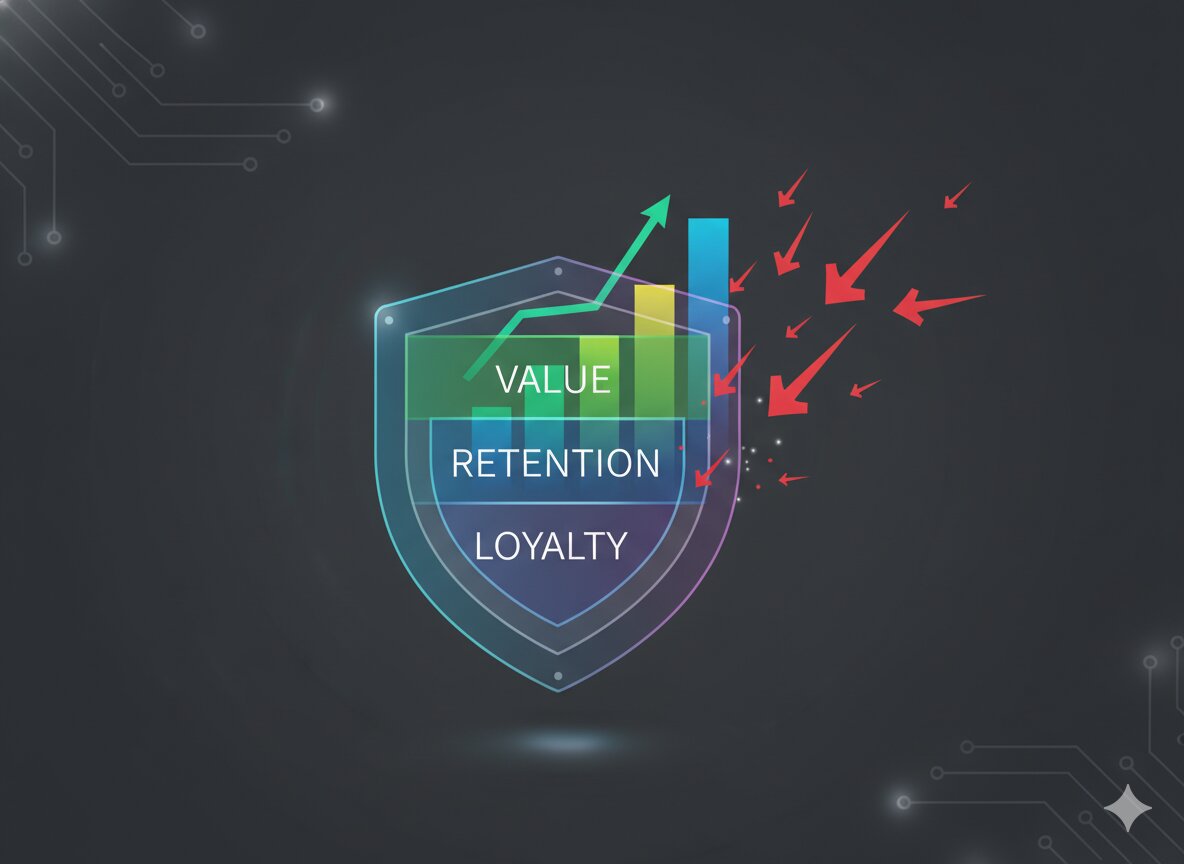
The Core Framework: The "PRICING-SHIELD" Method
A successful pricing migration protects corporate revenue while keeping the customer base feeling valued. You must build structural buffers and value bridges before modifying a single billing record.
1. P-artition and Impact Assessment
Determine the exact size, tenure, and engagement levels of the cohort being migrated.
- The Strategy: Separate highly active long-term accounts from newer, low-engagement accounts to understand structural risk.
- The Soundbite: "I will start by analyzing our user segments. We need to audit the target tier by contract type, average lifetime value (LTV), feature usage patterns, and renewal dates. A 20% increase will impact a highly active enterprise power-user differently than a casual subscriber, and our migration path must reflect that."
2. R-e-Anchor the Value Proposition
Never announce a price increase without packaging it with new or upcoming product value.
- The Strategy: Align the price change with recently shipped features or an upcoming exclusive roadmap tier.
- The Soundbite: "We must never frame a price update purely around corporate costs. I will collaborate with product marketing to tie this change to tangible value additions—such as a 2x increase in cloud storage limits, advanced security integrations, or exclusive priority support modules that we’ve shipped over the past quarters."
3. I-ncentivize Loyalty (Grandfathering & Grace Periods)
Create a structural "cushion" for your most loyal, long-tenured customer segments.
- The Strategy: Implement a phased rollout plan that rewards historical retention.
- The Soundbite: "To protect brand sentiment and mitigate immediate churn, I’ll implement a tiered transition phase. For our top 15% long-tenured power users, we will grandfather their legacy pricing for an additional 6 to 12 months. This shifts the immediate renewal shock and spreads our churn risk out over a controllable timeline."
4. C-hurn Metrics Modeling and Guardrails
Establish tight, data-driven thresholds to stop the migration if user cancellations spike.
- The Strategy: Define acceptable limits for customer support ticket volume and unsubscriptions.
- The Soundbite: "I’ll establish strict quantitative guardrails before execution. For example, if our daily proactive cancellation rate spikes beyond 2.5% during the initial notification phase, or if customer support ticket queues overflow, the rollout pauses immediately while we re-evaluate our messaging or grandfathering parameters."
5. I-bound Support and Sales Enablement
Prepare your frontline customer-facing teams with tools, scripts, and retention levers.
- The Strategy: Arm support agents with discretionary discount vouchers, annual lock-in offers, and clear FAQs.
- The Soundbite: "We must ensure our support teams aren't left defenseless. I’ll run enablement sessions providing clear talk tracks. If a customer calls to cancel due to the price hike, agents will have a pre-approved playbook: offer them a 12-month lock-in at the old price if they commit to an annual contract, or provide a temporary 3-month partial discount voucher to ease the transition."
6. N-otification Transparency & Multi-Channel Messaging
Avoid sneaky billing updates. Give users generous, explicit warning across multiple touchpoints.
- The Strategy: Execute an explicit 30, 60, and 90-day notification lifecycle using email, in-app banners, and SMS banners.
- The Soundbite: "We will prioritize complete transparency. We’ll send a clear personal email notification at least 60 days before the price change takes effect, followed by persistent, non-intrusive in-app dash banners. The messaging will explicitly detail the old rate, the new rate, the effective date, and a direct link to manage their billing settings."
7. G-radual Cohort Rollout
Never modify pricing for 100% of your user base at the exact same moment.
- The Strategy: Roll out the new tier variations incrementally across regional or behavioral buckets.
- The Soundbite: "I will design a localized canary rollout. We’ll test the price migration with a small 5% cohort—perhaps in a highly stable, smaller geographical market. We will monitor their end-to-end user behavior, retention rates, and conversion metrics for 30 days before expanding the monetization migration strategy globally."
The Comparison: Bad vs. Good
- Bad Answer: "I would send a company-wide email saying our server expenses went up, change the prices in the billing settings overnight, and let support handle the angry customers as they come." (High churn risk, reactive, completely blind to user sentiment and customer psychology).
- Good Answer: "I will lead a structured monetization transition by segmenting user cohorts, re-anchoring our core value proposition around newly added features, grandfathering high-value power accounts, and arming support with contract lock-in levers." (Strategic, data-driven, highly empathetic to commercial realities).
Master Monetization Strategy Rounds
Altering product pricing structure requires a tight balance between long-term financial growth and absolute user loyalty. Showing that you can systematically optimize unit economics without breaking core engagement metrics highlights premium executive maturity. The PRICING-SHIELD framework gives you the operational playbook to drive business revenue while protecting user trust.
The Kracd Prep Kits provide comprehensive case studies covering SaaS expansion models, pricing sensitivity analysis frameworks, and subscription lifecycle optimizations.
- For PMs: Ace complex product monetization strategy and growth metrics rounds with the PM Prep Guide.
- For TPMs: Master high-volume subscription architecture dependencies, billing ledger migrations, and transactional scale with the TPM Prep Kit.
FAQs
Q: What if user churn is higher than our financial models predicted?A: Deploy your pre-approved down-sell options. If cancellations breach your established guardrails, immediately pivot to offer affected users a lower-tier product with fewer advanced features at their original price point, or dynamically extend their grace period to preserve their lifetime value.
Q: Is it better to explain the pricing change based on corporate inflation?A: No, absolutely avoid this. Customers do not care about your corporate overhead, operational inflation, or infrastructure investments. Frame the shift entirely around their benefits: the features they can now access, the platform performance improvements they experience, and the continuous quality updates you deliver.
Q: How do you handle annual subscribers during a pricing shift?A: Honor their existing terms until contract expiration. Annual subscribers must never be billed mid-cycle. Their price change should only apply upon their next contract renewal cycle, with a dedicated notification sent explicitly 30 days prior to their auto-renewal date.






















.jpg)