Introduction
The director of data science rushes into your office, pulls up a telemetry chart, and delivers an advanced machine learning crisis: "We rolled out our new deep learning recommendation transformer to production last week. Initial user engagement looked strong, but over the last 48 hours, our core business metric—conversion rate—dropped by 8% globally. Worse, our monitoring alerts show that inference latency has spiked by 40ms, and the model is completely hallucinating out-of-stock items for our highest-value user cohort. What do you do?"
Your pulse quickens. This is where average candidates fall into the "Black-Box Panic" trap.
They offer superficial, unscientific fixes: "I would immediately tell the engineers to retrain the model with more data," or "I would scrap the transformer and roll back to our old heuristic algorithm permanently."
Stop treating AI models like un-diagnosable black boxes. Blindly throwing more compute or retraining data at a regressing machine learning system is an expensive, trial-and-error mistake that guarantees interview failure. In elite FAANG AI Product Management and machine learning TPM loops, panels are evaluating your structured command over Data Drift vs. Concept Drift, Feature Pipeline Latencies, Embedding Space Collapse, Inference Resource Saturation, and Model Fallback Circuit Breakers.
To pass this advanced AI product execution and infrastructure round, you need an airtight, scientific troubleshooting architecture. You need the MODEL-VALIDATE framework.
The Core Framework: The "MODEL-VALIDATE" Method
Elite AI platform leaders do not guess; they isolate system layers. They treat a model regression like a multi-dimensional debugging process—separating raw data mutations from algorithmic or physical compute failures.
                         [ Live Production AI Crisis ]
                                       │
                                       ▼ (8% Metric Drop / +40ms Latency)
       ┌────────────────────────────────────────────────────────────────┐
       │               M-UTATION & INGESTION PIPE AUDIT                 │
       │  * Checks feature stores for corrupted schemas or empty arrays │
       └───────────────────────────────┬────────────────────────────────┘
                                       │
                                       ▼
       ┌────────────────────────────────────────────────────────────────┐
       │               O-UTLIER COHORT DRIFT SEGREGATION                │
       │  * Pinpoints if regression is global or tied to a population   │
       └───────────────────────────────┬────────────────────────────────┘
                                       │
                                       ▼
       ┌────────────────────────────────────────────────────────────────┐
       │               D-ELTA LATENCY & COMPUTE SATURATION              │
       │  * Audits memory leaks, thread locks, or un-optimized kernels  │
       └───────────────────────────────┬────────────────────────────────┘
                                       │
                                       ▼
       ┌────────────────────────────────────────────────────────────────┐
       │               E-XECUTION OF FALLBACK CIRCUIT BREAKERS          │
       │  * Trips traffic to deterministic models or cached heuristics   │
       └───────────────────────────────┬────────────────────────────────┘
                                       │
                                       ▼
                       [ Safe State / Root-Cause Found ]
1. M-utation & Ingestion Feature Pipeline Audit
Never audit the weights of a model before checking the cleanliness of the data feeding it.
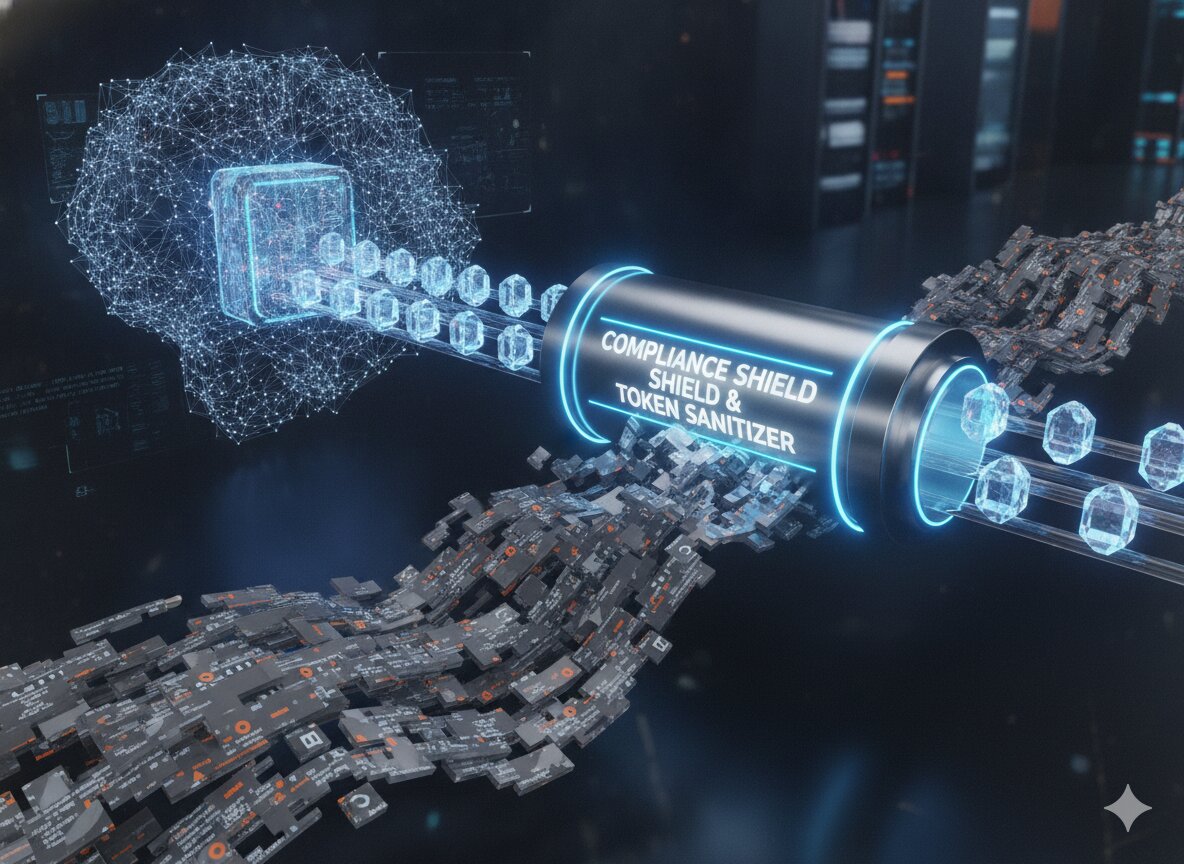
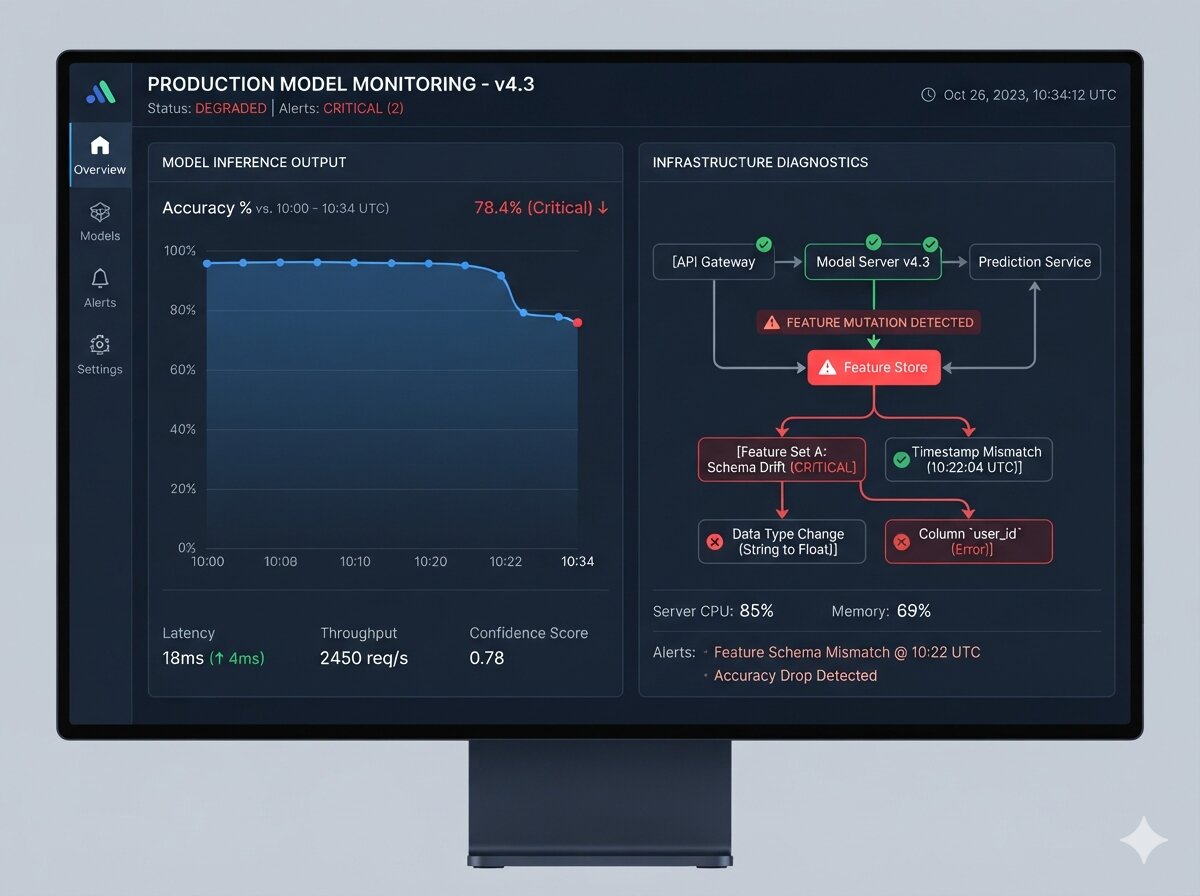
- The Strategy: Investigate the upstream feature engineering pipelines. Look for broken upstream data schemas, missing telemetry logs, null values, or faulty transformations inside the feature store that are feeding corrupt vectors into the model.
- Interview Script: "I will not assume the transformer algorithm itself is broken. I will immediately audit our feature store and ingestion pipelines. A common root cause for rapid model regression is feature mutation—where an upstream software change alters a raw data type or passes empty arrays, causing the model to interpret null fields as actual inputs and throwing off the entire inference calculation."
2. O-utlier Cohort & Concept Drift Segregation
Isolate the exact coordinates of the failure across the user space.
- The Strategy: Slice the degradation by user cohort, device platform, geographic region, and item type. Determine if you are facing Data Drift (the distribution of incoming user features has changed) or Concept Drift (the underlying user behavior pattern has fundamentally shifted).
- Interview Script: "I will isolate the drop by segmenting our inference outputs. The problem states that our highest-value cohort is seeing hallucinated items. I will compare the embedding space of this specific cohort's live data against the training baseline. This will show us whether we are dealing with Data Drift, where user properties changed overnight, or Concept Drift, meaning our model's historical understanding of value no longer aligns with real-world market behavior."
3. D-elta Latency & Compute Saturation Diagnostics
Separate algorithmic inaccuracies from physical compute limitations.
- The Strategy: Cross-reference the 40ms latency spike with system resource utilization charts. Analyze GPU/CPU utilization, memory leakage, batching size configurations, thread allocation, or network serialization delays across the model serving nodes.
- Interview Script: "To diagnose the 40ms inference spike, I will look directly at our serving infrastructure. A latency increase of this scale usually points to compute saturation. I will check if our dynamic batching size is misconfigured, causing requests to queue up, or if the new model architecture contains un-optimized matrix kernels that are causing thread-pool exhaustion on our GPU nodes under real-time production loads."
4. E-xecution of Safe Fallback Circuit Breakers
Protect customer conversions instantly while the core data science team runs offline root-cause analysis.
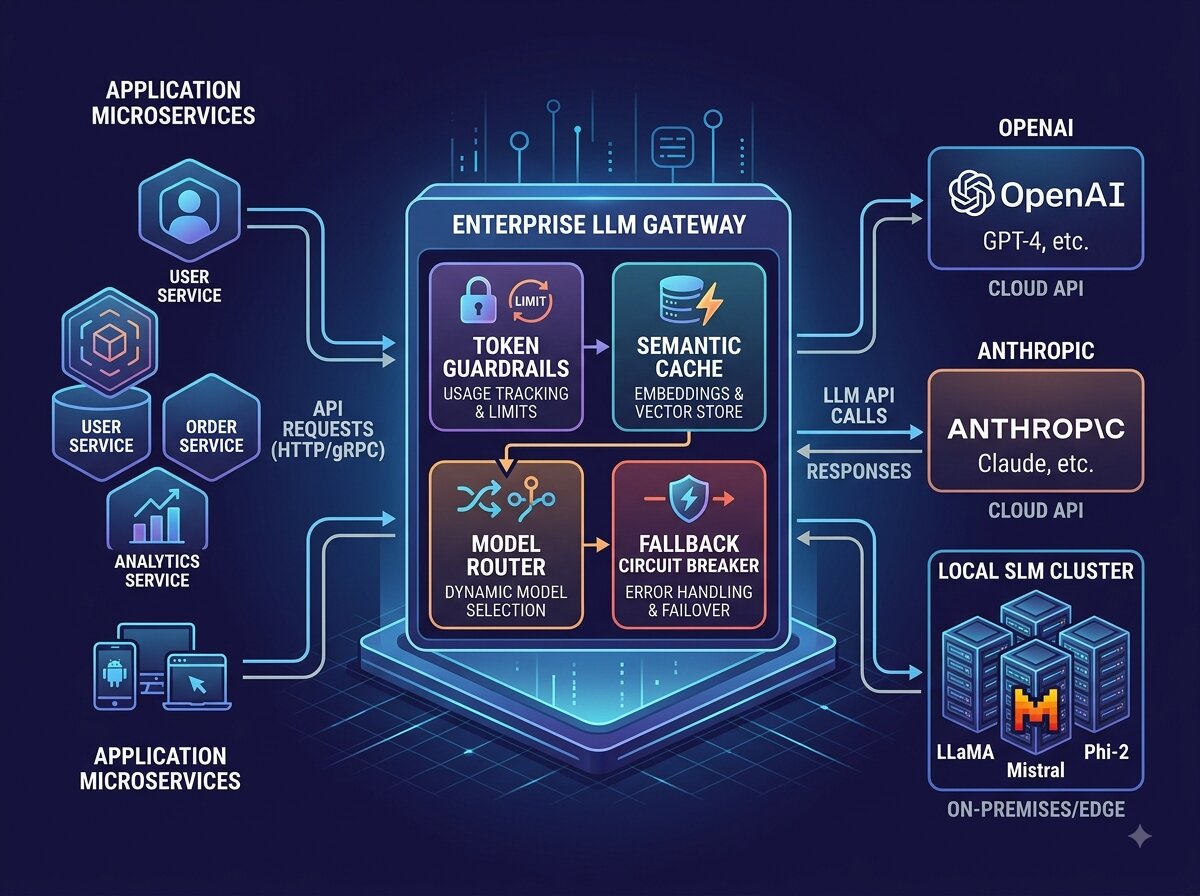
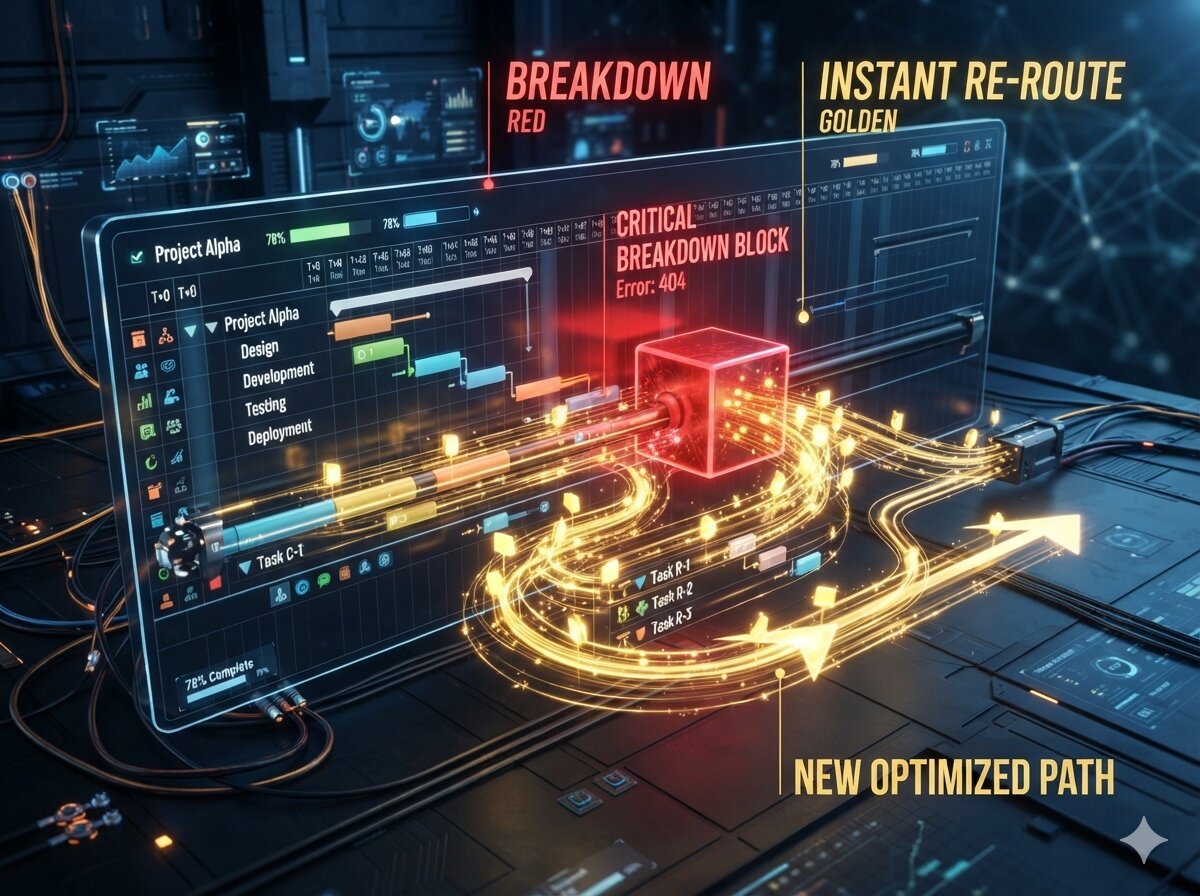
- The Strategy: Mitigate immediate business damage by triggering an automated fallback protocol—such as routing high-risk cohort traffic back to a highly stable, cached heuristic baseline or a lightweight linear model.
- Interview Script: "While our data science team runs an offline deep-dive post-mortem on the transformer, I will instantly mitigate the conversion loss. I will configure our routing layer to trip its circuit breaker for the affected high-value user cohort. We will temporarily route their requests to our legacy, cached heuristic recommendation model. This instantly stops the hallucination loop and stabilizes our conversion metrics while we debug the live code safely out-of-band."
The Comparison: Bad vs. Good
Bad Answer (Black-Box Panic)Good Answer (MODEL-VALIDATE Framework)"I would tell our data scientists to stop everything, spin up a massive compute cluster, and completely retrain the transformer on all user web traffic from scratch to fix the accuracy bugs.""I will deploy the MODEL-VALIDATE framework. I will check upstream feature pipeline schemas for data mutation, isolate cohort data drift, audit serving architecture bottleneck parameters, and trigger a fallback heuristic circuit breaker.""The model is too complex to diagnose live, so I'd wait a few days to see if the machine learning algorithm automatically self-corrects as it processes more user purchases.""I will decouple our live business risk from the technical investigation. I will instantly shift the regressing cohort traffic to a stable fallback baseline, while running isolated diagnostic checks across our data store and compute matrices."
The Pitch/Transition
Managing machine learning products requires an exceptional mastery of complex algorithmic workflows, large-scale data engineering constraints, and live infrastructure dependencies. The MODEL-VALIDATE framework ensures you handle advanced AI failures with absolute data-driven composure.
In premium FAANG AI Product Management and technical program execution loops, interview panels intentionally push candidates into complex system edge cases to ensure they understand how to direct data science teams effectively without getting lost in the weeds. Don't go into an AI loop guessing.
Equip yourself with the exact production-ready AI frameworks, enterprise data topologies, and systems vocabulary relied on by world-class technology leaders:
- Command your AI product lifecycle, metric optimization, and business execution goals with the comprehensive PM Prep Guide.
- Dominate your machine learning system design, scalable data infrastructure, and cross-functional engineering loops with the tactical TPM Prep Kit.
FAQs
Q: What is the mechanical difference between Data Drift and Concept Drift?
A: Data Drift occurs when the distribution of the input variables changes over time (e.g., an influx of new users from a different country shifts your age or demographic metrics). Concept Drift occurs when the statistical properties of the target variable change, meaning the historical relationship between input data and user behavior no longer holds true (e.g., consumer purchasing habits shift drastically overnight due to a sudden macroeconomic change).
Q: Why choose an inline fallback heuristic over a complete system rollback?
A: A complete system rollback requires redeploying server images or container arrays across your entire infrastructure, which can take hours and risks introducing configuration errors. An inline fallback route uses a dynamic proxy layer or feature flag to instantly reroute a specific, degraded user segment to a safe code path in milliseconds, minimizing business impact without touching the rest of the healthy architecture.
Q: How do you identify a feature store schema mismatch in real time?
A: You implement automated data contract validation at the ingestion layer using testing tools. If a microservice upstream alters a data model payload—such as converting an integer to a string or changing a currency array field—the validation layer flags the schema drift immediately, blocking the bad data from entering the feature store and alerting engineers before it corrupts production inference.





















.jpg)