The Interview Trap: The "Breaking Change" Customer Backlash
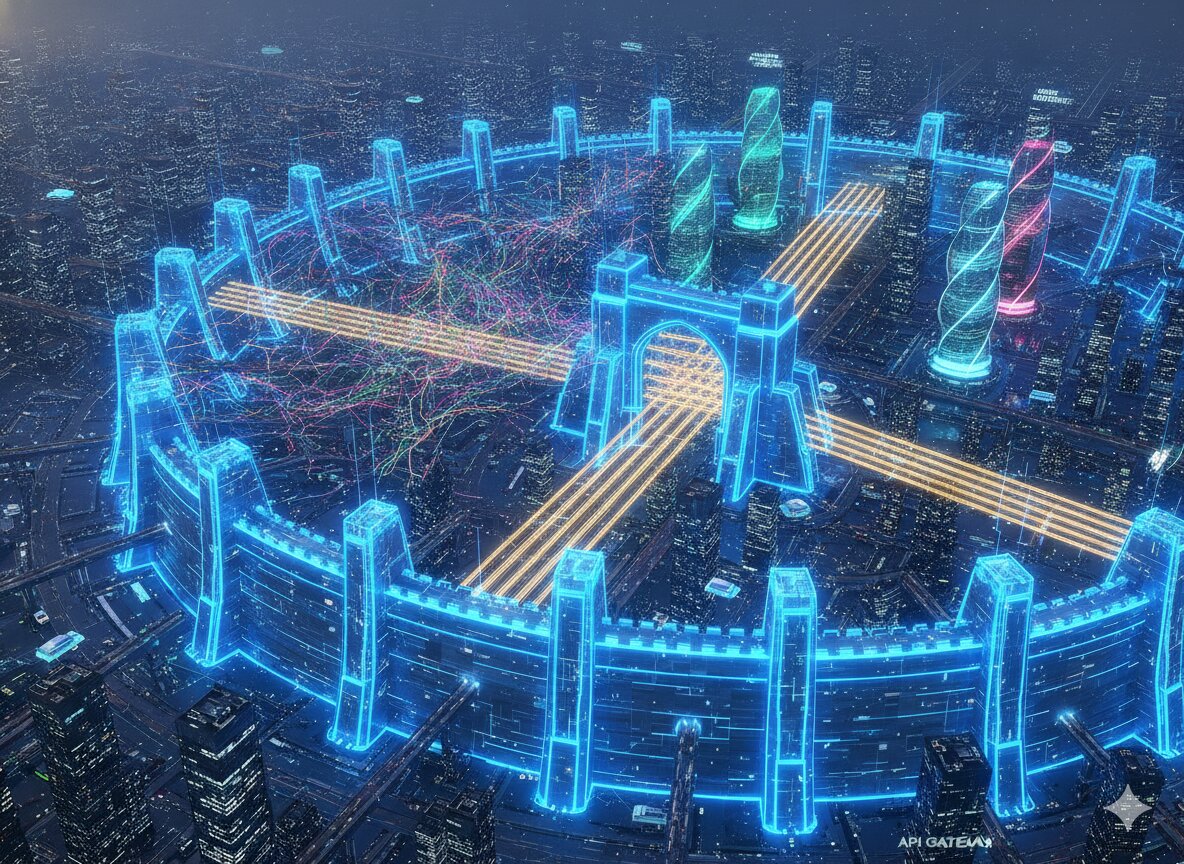
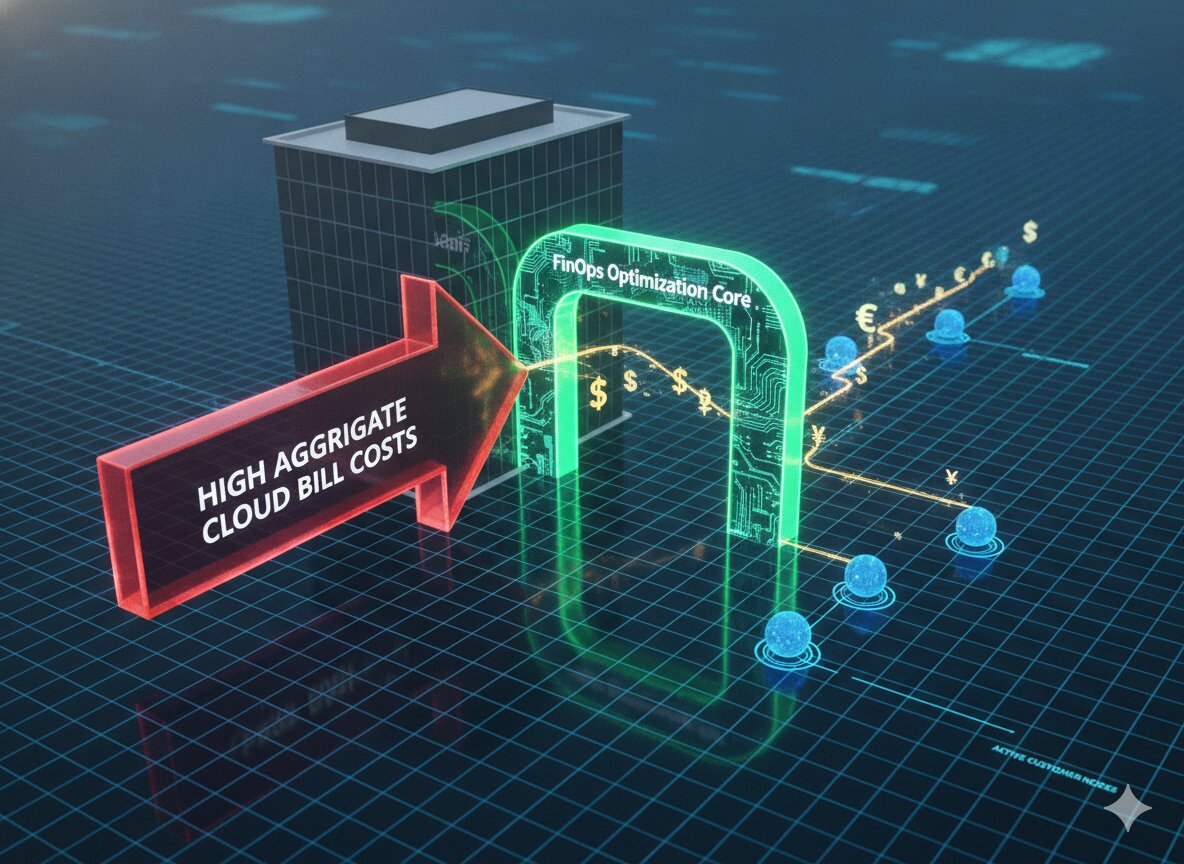
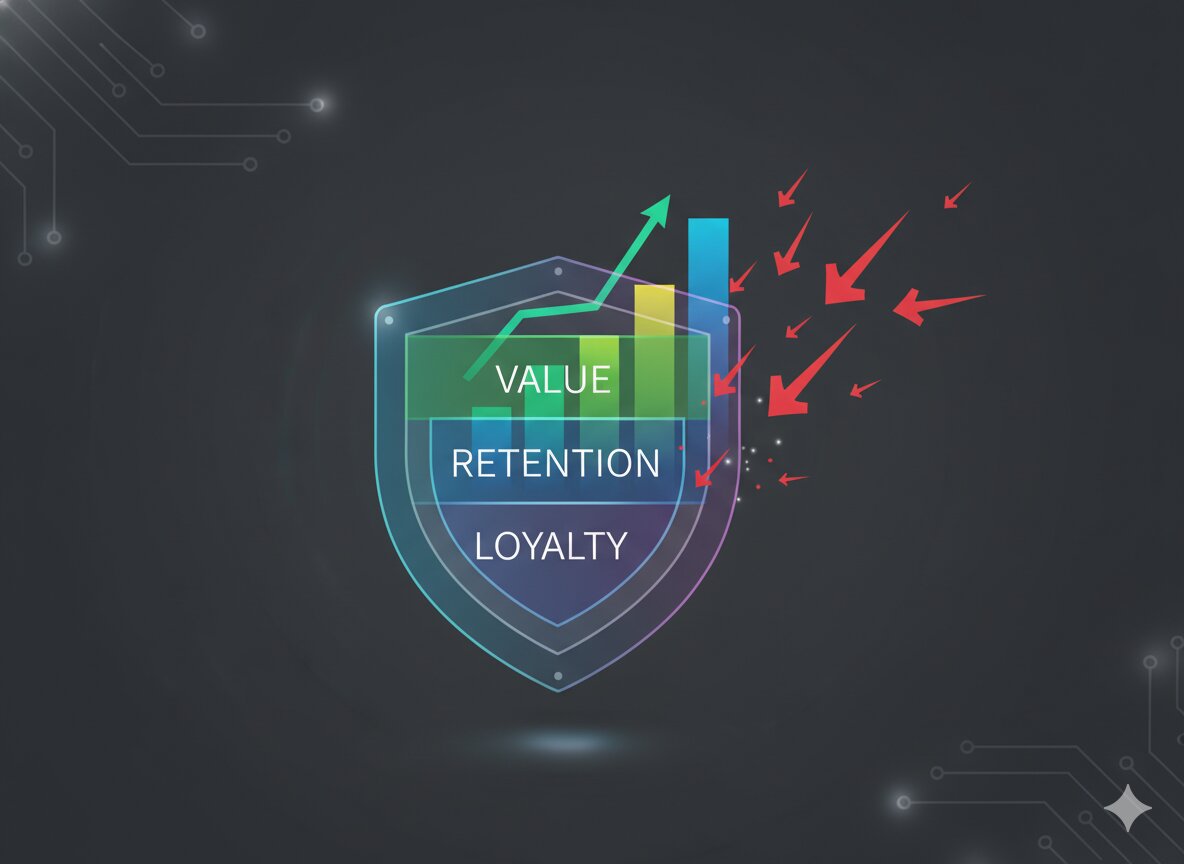
The interviewer sets up a high-stakes ecosystem crisis: "Your enterprise SaaS platform needs to sunset its legacy v1 REST API because the underlying monolith database architecture cannot scale. The new v2 GraphQL API is live, offers 10x performance, and resolves critical technical debt. However, over 4,000 external enterprise developers and core integrations are heavily hardcoded into the v1 endpoints. If you shut down v1 abruptly, you crash their workflows and trigger catastrophic customer churn. If you leave it running, you stall your infrastructure migration indefinitely. How do you execute this deprecation program?"
Most candidates tank this technical execution round by treating it as a pure communication problem: "I would draft a mass email announcement giving developers a strict six-month notice, create a clear PDF migration guide, and have account managers follow up with top-tier clients to remind them to migrate." Stop. Managing massive API deprecations solely with email notices and documentation leads to missed deadlines and surprise outages. In senior platform product management and technical program operations loops at high-scale ecosystem giants like Stripe, Twilio, and Salesforce, panel judges are evaluating your Backward-Compatible Proxy Typologies, Dynamic Traffic Brownout Scheduling, and Strategic Use of Generative AI to Automate Code Migration at Scale.
The Core Framework: The "DECOUPLE-FLOW" Method
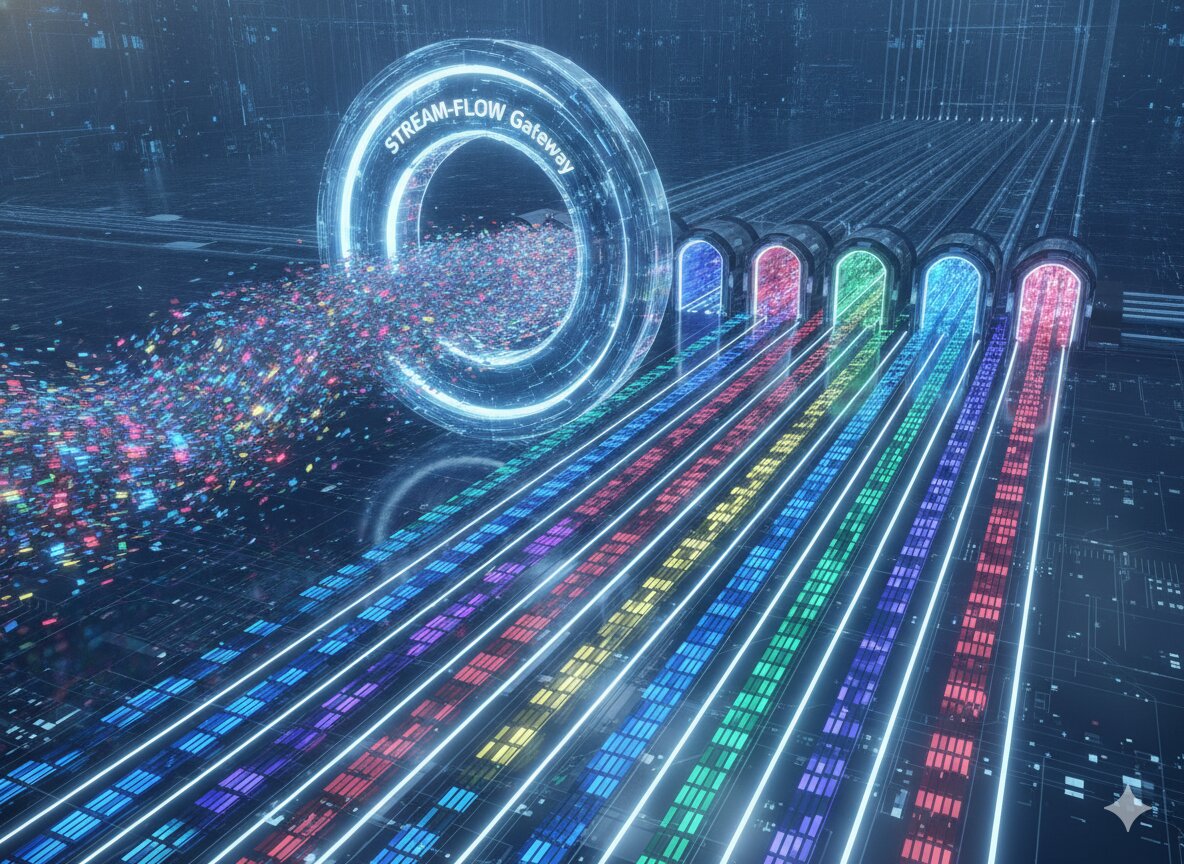
Elite PMs and TPMs don't rely on external developers reading emails to hit migration targets. They build an intelligent, telemetry-driven deprecation engine that intercepts legacy traffic, dynamically alerts developers through their own application logs, and uses AI to generate the exact code changes clients need to update their systems.
1. D-ependency and Integration Traffic Ingestion
Map out your entire exposed API surface area by parsing live production logs to discover exactly who is hitting your legacy endpoints.
- The Strategy: Feed raw, unstructured API gateway or reverse-proxy log samples into an advanced LLM context window to automatically group integrations by API consumer token, route, and payload schema complexity.
- The Prompt Pattern: "Act as a Principal API Engineer. Analyze the attached API gateway traffic log sample: [Insert Log Snippet]. Run a structural analysis to extract: a unique list of active caller IDs, the specific v1 endpoints they are hitting, their average request volume (RPS), and flag any callers passing non-standard or deprecated request parameters."
2. E-ndpoint Mapping and Payload Translation Specs
Construct a programmatic blueprint that bridges the architectural gap between legacy routes and your new interface parameters.
- The Strategy: Use AI prompts to map your old REST endpoints directly to your new GraphQL queries, generating accurate request/response data contracts automatically.
- The Prompt Pattern: "Act as a Lead Systems Architect. Compare the following legacy v1 REST endpoint schema: [Insert v1 JSON Schema] with the new v2 GraphQL query schema: [Insert v2 Schema]. Generate an explicit OpenAPI-to-GraphQL translation map in Markdown. Include a JSON-to-JSON structural payload transformation guide for an API gateway translation layer."
3. C-ompatibility Proxy Layer Co-Pilot
Generate the abstract middleware code required to automatically intercept, translate, and route legacy calls safely to the new backend.
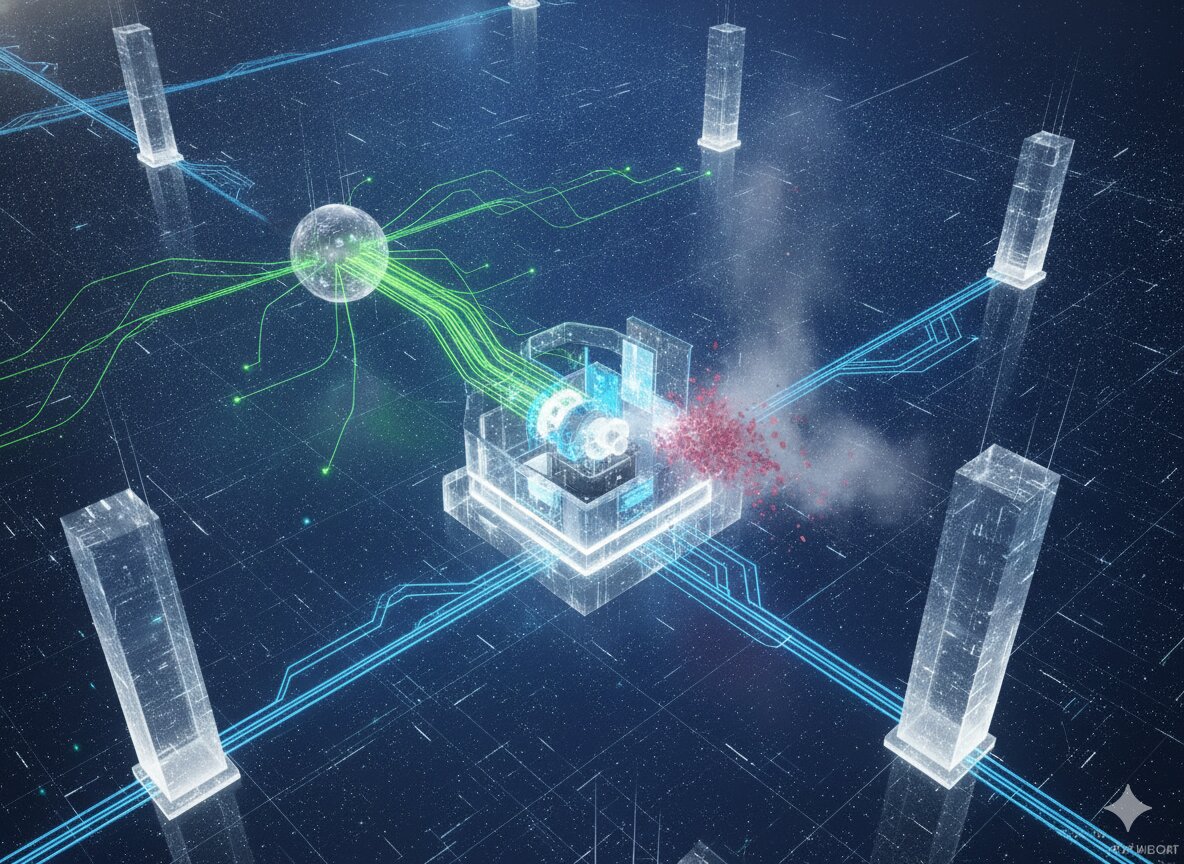
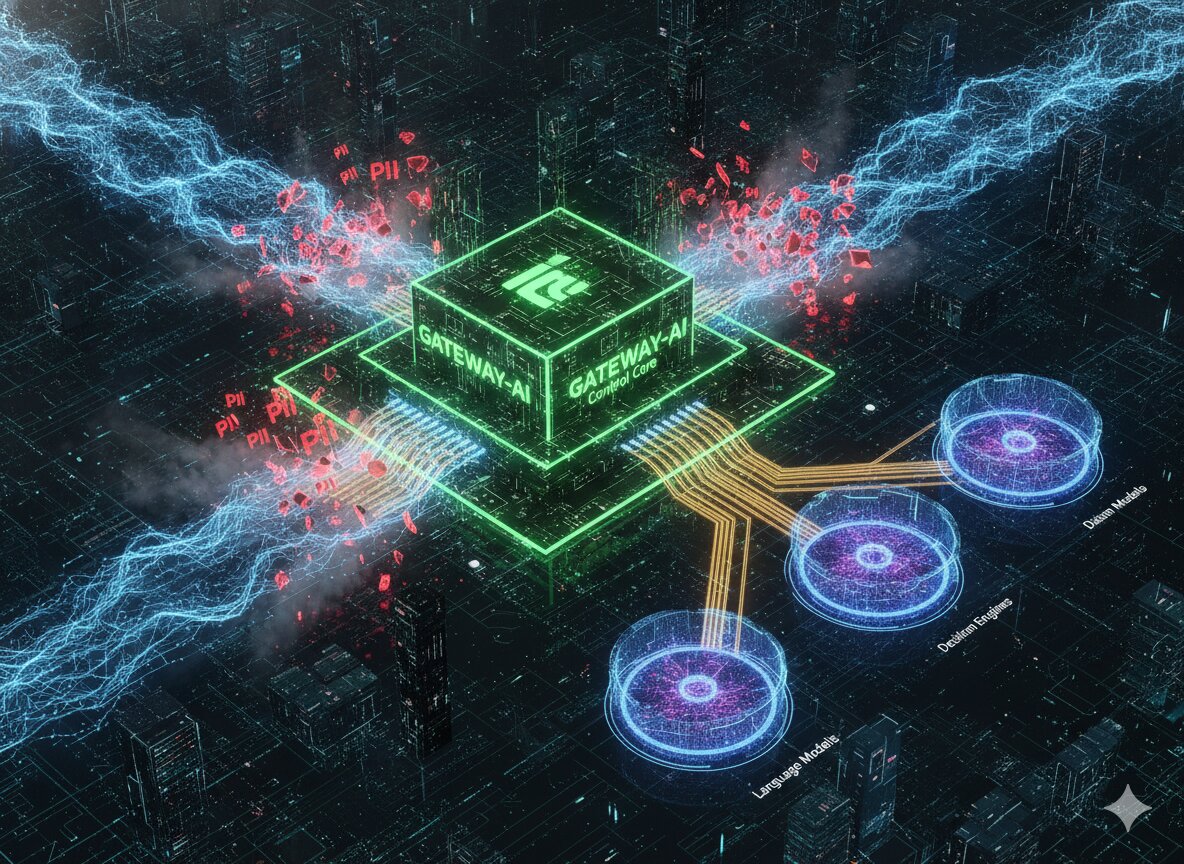
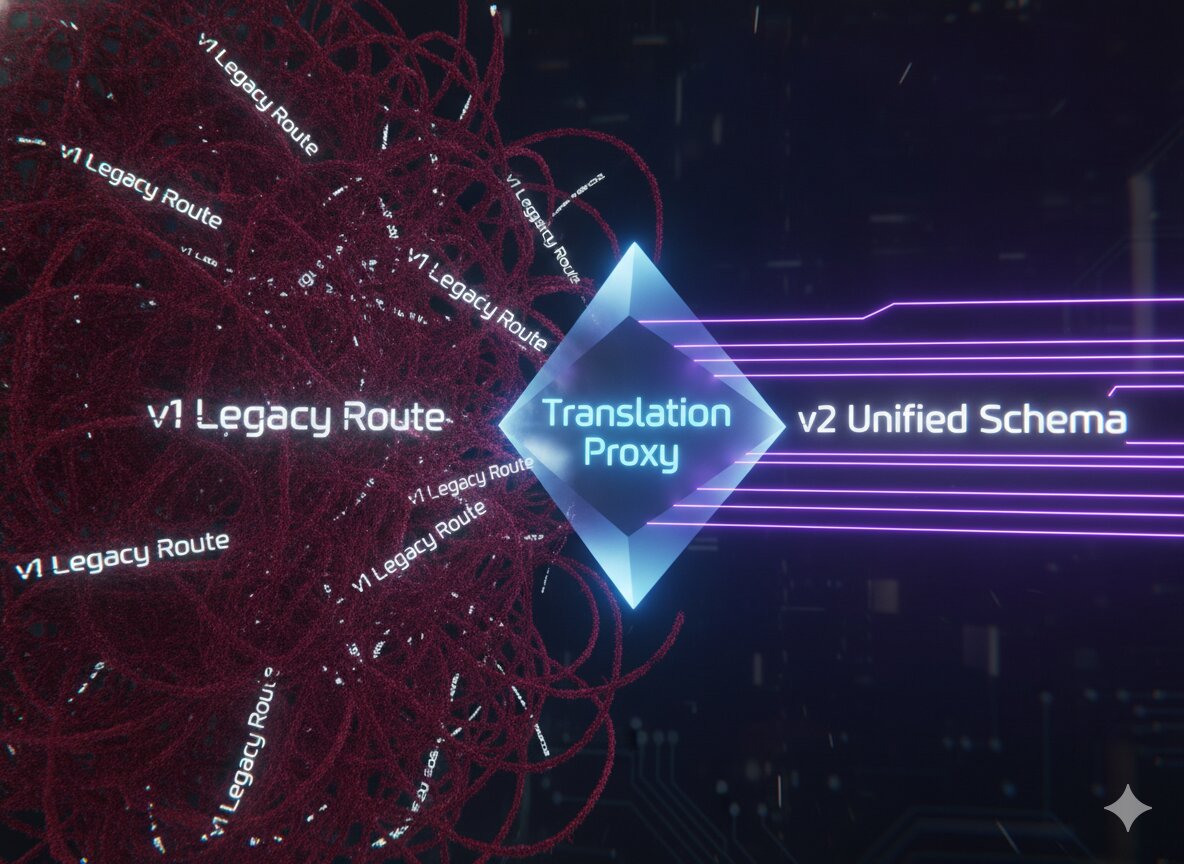
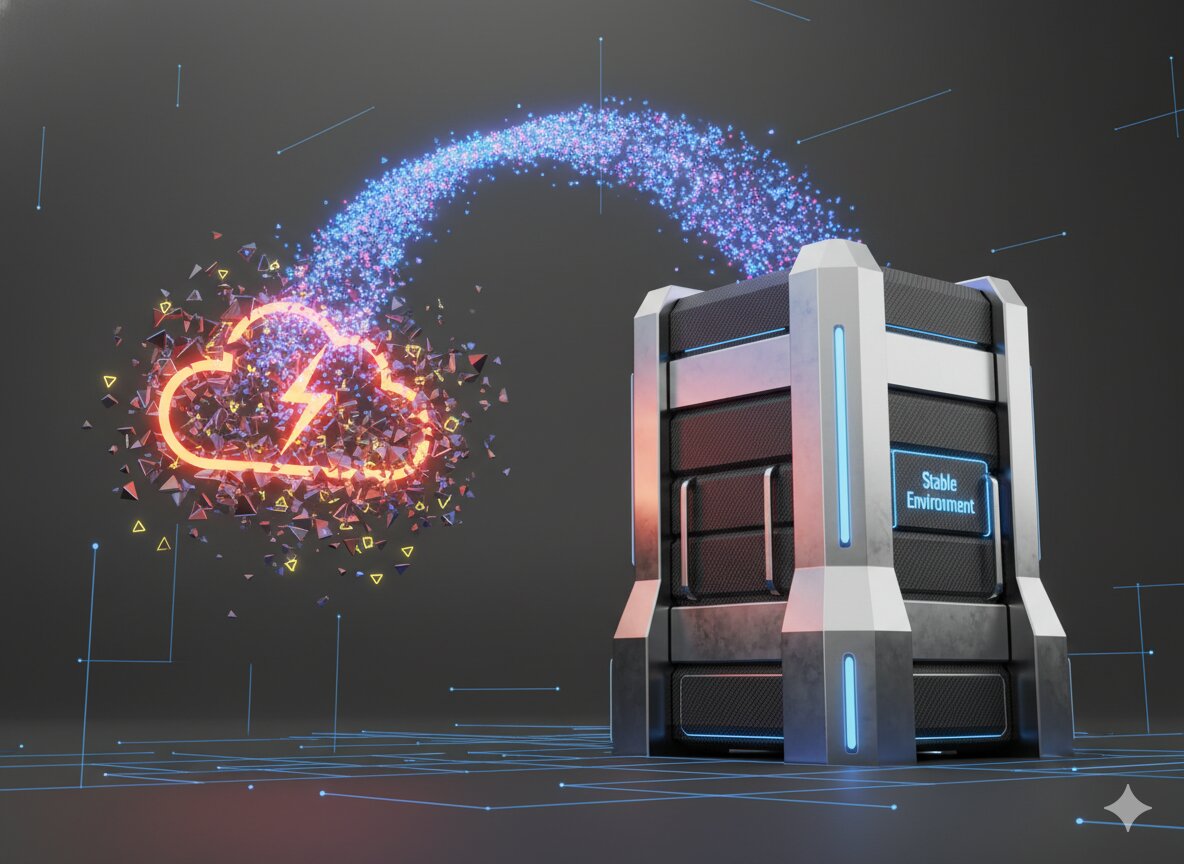
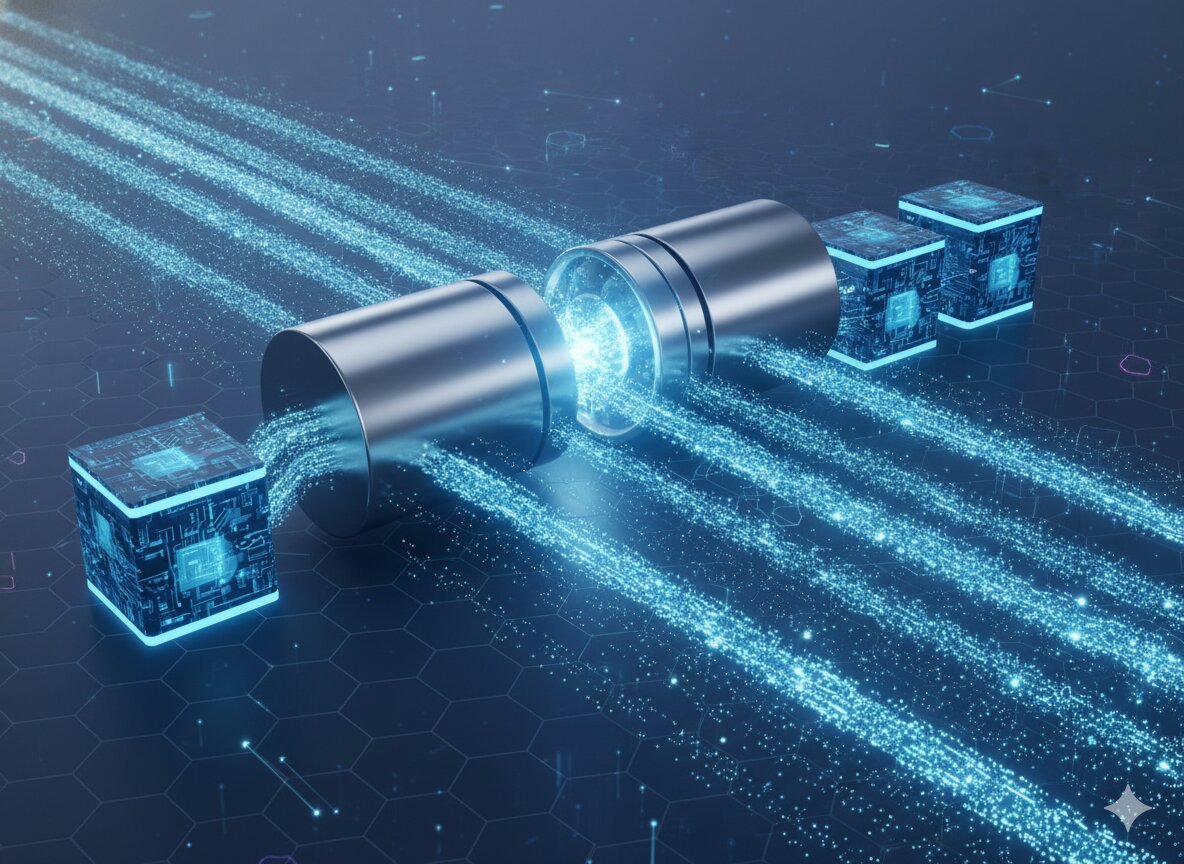
- The Strategy: Instead of maintaining the old backend system, use the AI to write a stateless proxy layer that translates incoming v1 REST payloads into v2 formats behind the scenes, allowing you to decommission the legacy monolith immediately.
- The Prompt Pattern: "Act as a Staff Backend Engineer. Based on the REST-to-GraphQL schema map created above, write a production-ready middleware function in Go or Node.js. This middleware must intercept incoming POST requests to
/v1/checkout, map the flat JSON body to the correspondingv2/mutateCheckoutGraphQL structure, execute the request against the new backend, and format the response back to matching v1 structures seamlessly."
4. O-utbound SDK Migration Automation
Accelerate client migration velocities by using generative models to automatically update your open-source client SDK libraries.
- The Strategy: Supply the AI with your updated data schemas and legacy SDK code blocks to programmatically output updated packages (such as Java, Python, or Ruby libraries) without tedious manual rewriting.
- The Prompt Pattern: "Act as a Principal Developer Relations Engineer. Review our legacy v1 Python client SDK function: [Insert Code Block] and our new v2 API endpoint specification. Generate the updated version of this Python SDK module utilizing the v2 architecture, maintaining strict backward compatibility for internal class parameters while routing calls to the new interface."
5. U-ser Log Inbound Alerting and Header Injection
Communicate migration urgency directly to client developers by modifying your legacy API server response behaviors.
- The Strategy: Programmatically inject explicit HTTP warning headers (such as
SunsetandDeprecationfields matching RFC 8594 standards) into every legacy API response payload. - The Play: "We don't hope developers read marketing emails. We inject formal
Sunset: Wed, 11 Nov 2026 00:00:00 GMTheaders and customX-API-Deprecation-Warningstrings directly into the network responses of every legacy call, surfacing the deprecation timeline directly inside the developers' active debugging and application logging frameworks."
6. P-rogressive Traffic Brownout Scheduling
Force unresponsive integrations to triage their legacy dependencies safely by introducing controlled, simulated system outages.
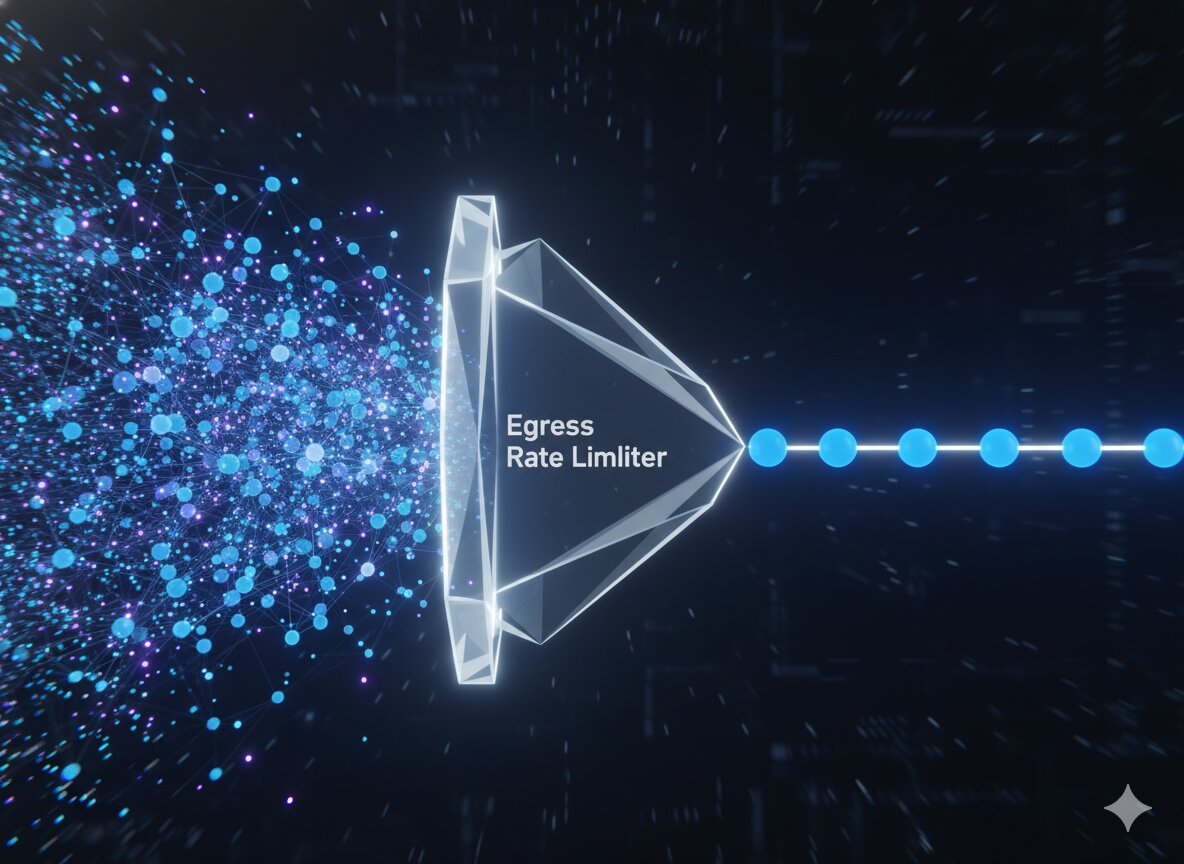
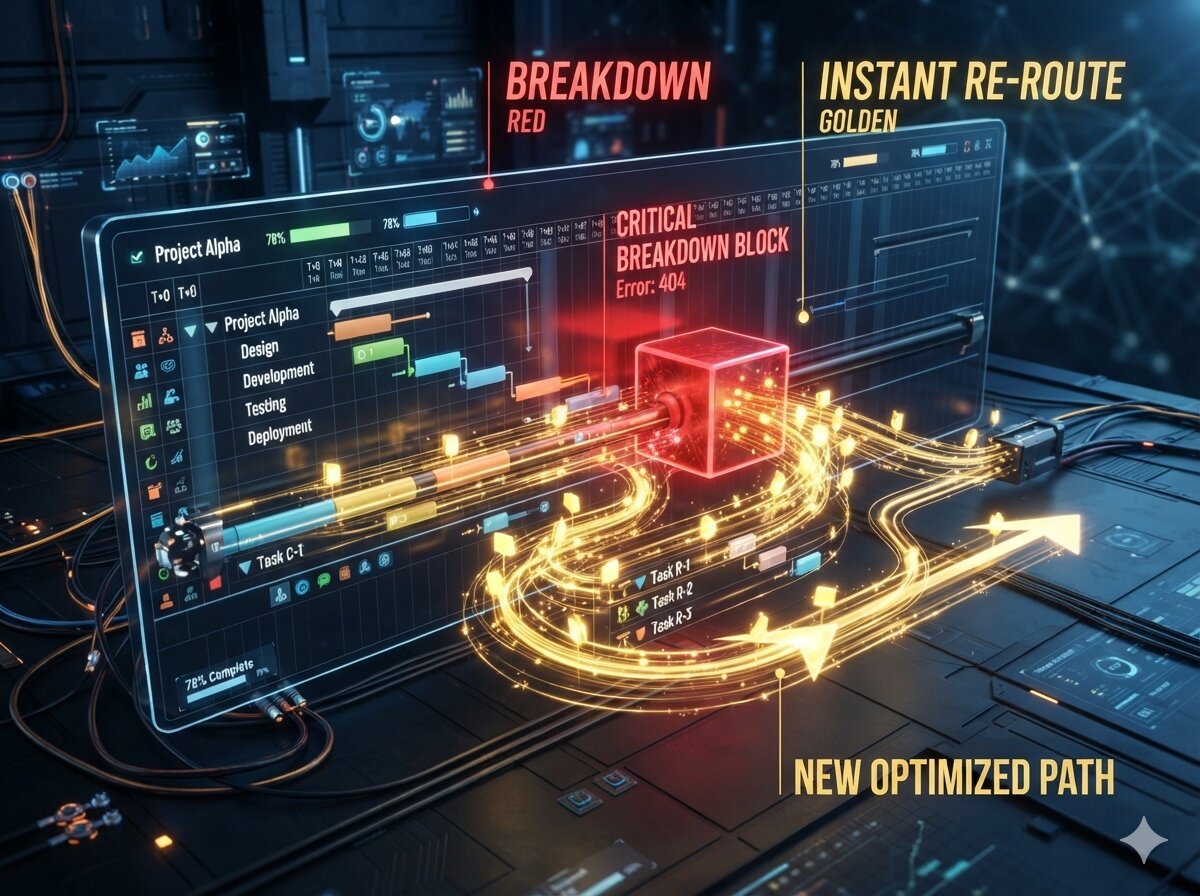
- The Strategy: Design a rigorous "brownout" schedule where the legacy API artificially returns temporary server errors (like HTTP 503 Service Unavailable) for short, increasing intervals during off-peak hours.
- The Prompt Pattern: "Generate a 4-week Progressive API Brownout Execution Schedule in Markdown. Week 1: Ingress a 1-minute artificial HTTP 503 error window every Tuesday at 2:00 AM UTC. Week 2: Increase to a 5-minute window twice a week. Week 3: A 1-hour window. Week 4: Permanent shutdown. Define explicit automated criteria to instantly abort a brownout window if client-side retry storms threaten gateway availability."
7. L-ocalized Migration Code Generator for Clients
Build a self-service developer portal experience that shows external clients exactly how to rewrite their specific integration code.
- The Strategy: Provide an AI-powered code translator tool in your developer docs where clients can paste their old v1 implementation and instantly receive the updated v2 code block.
- The Prompt Pattern: "Act as an expert Developer Experience Engineer. Create a highly accurate code-translation prompt track that ingests a client's legacy v1 REST payload implementation: [Insert Client Code Code Snippet] and outputs a fully functional, optimized v2 GraphQL query block using standard fetching libraries, complete with clean inline comments explaining the structural shifts."
8. E-nterprise Data Governance and Token Auditing
Audit your active deprecation pipelines to ensure customer data access tokens, scopes, and compliance boundaries remain strictly intact across interface versions.
- The Strategy: Build automated checks to guarantee that security tokens reading from legacy systems map with identical data access restrictions to the new schema layer.
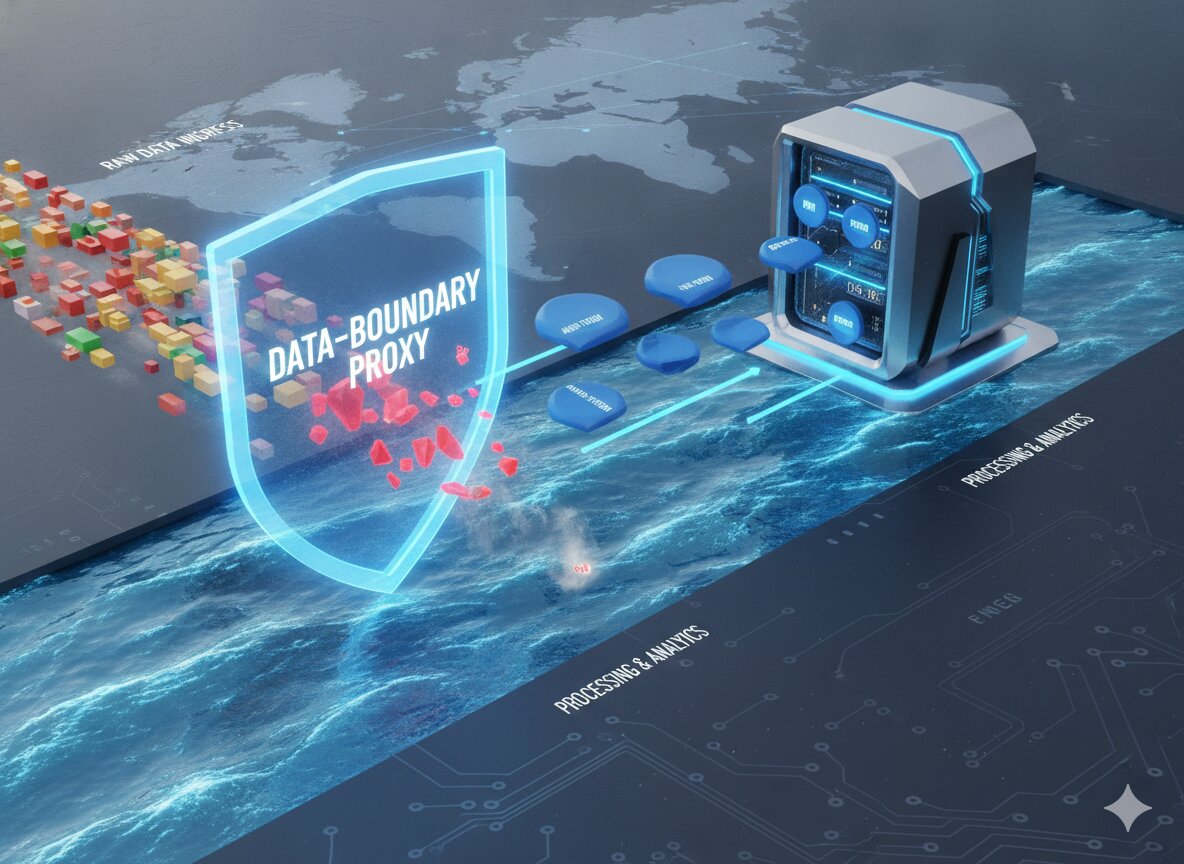
- The Play: "Security boundaries must remain absolute during architectural shifts. Before any client token is authorized to hit our GraphQL translation proxy, an automated validation prompt maps the user's legacy OAuth scope definitions directly to our enterprise IAM policy engine, verifying zero data access escalation across the API versions."
9. F-low Velocity and Migration Tracking Dashboards
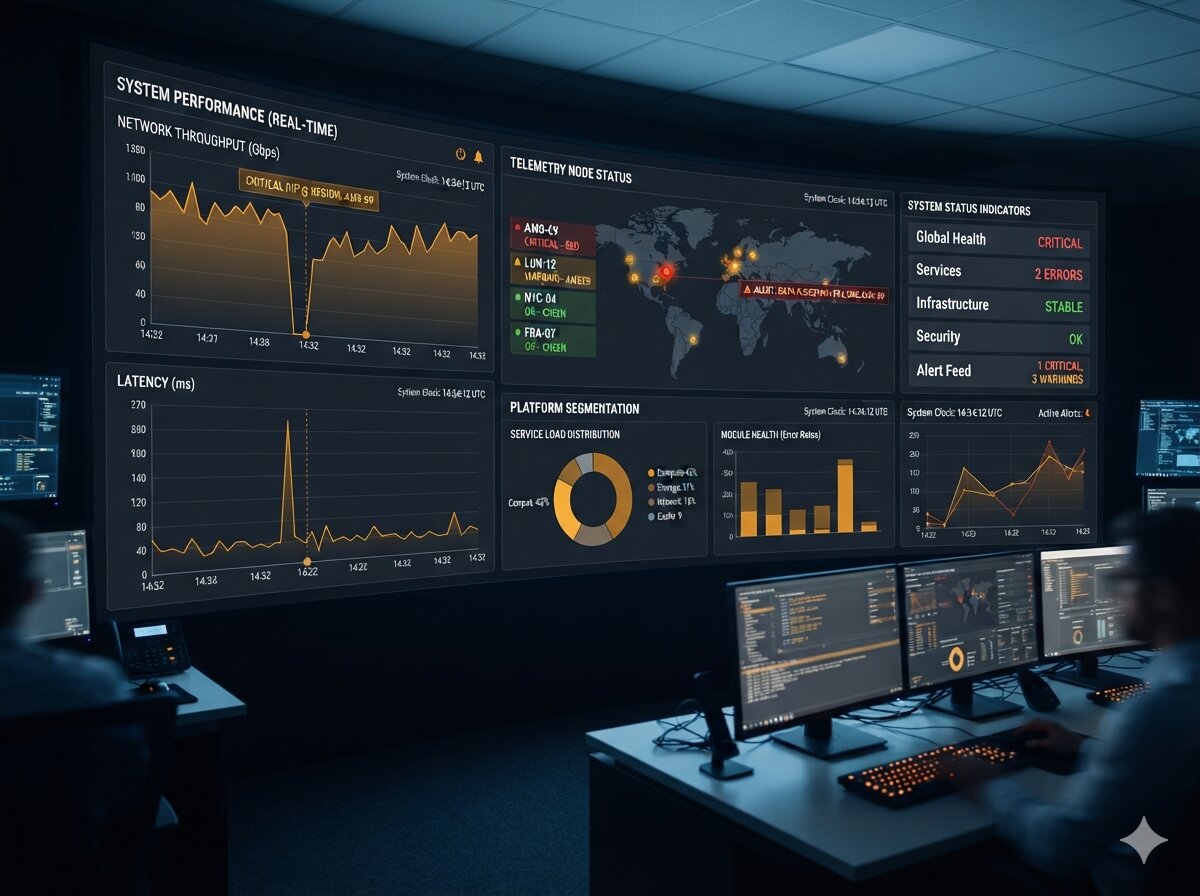
Monitor deprecation velocity using real-time gateway traffic telemetry rather than manual tracking sheets.
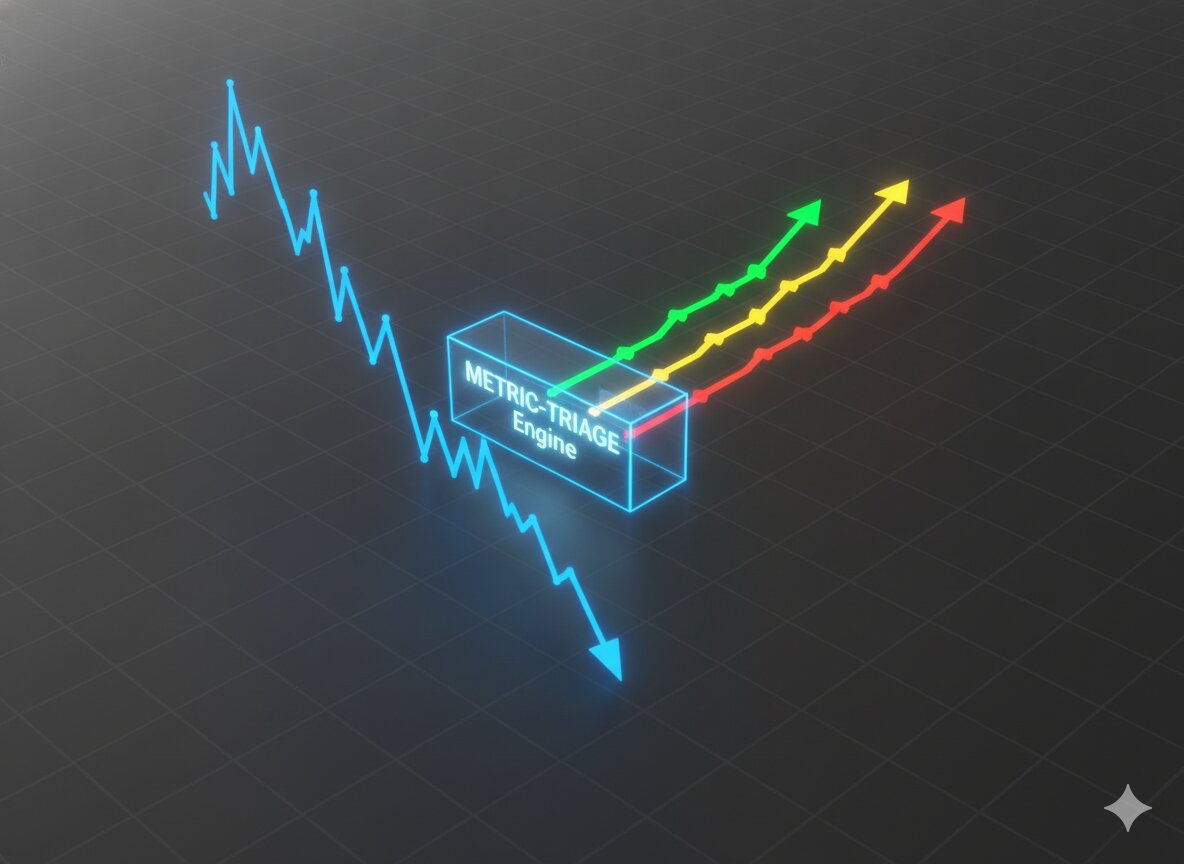
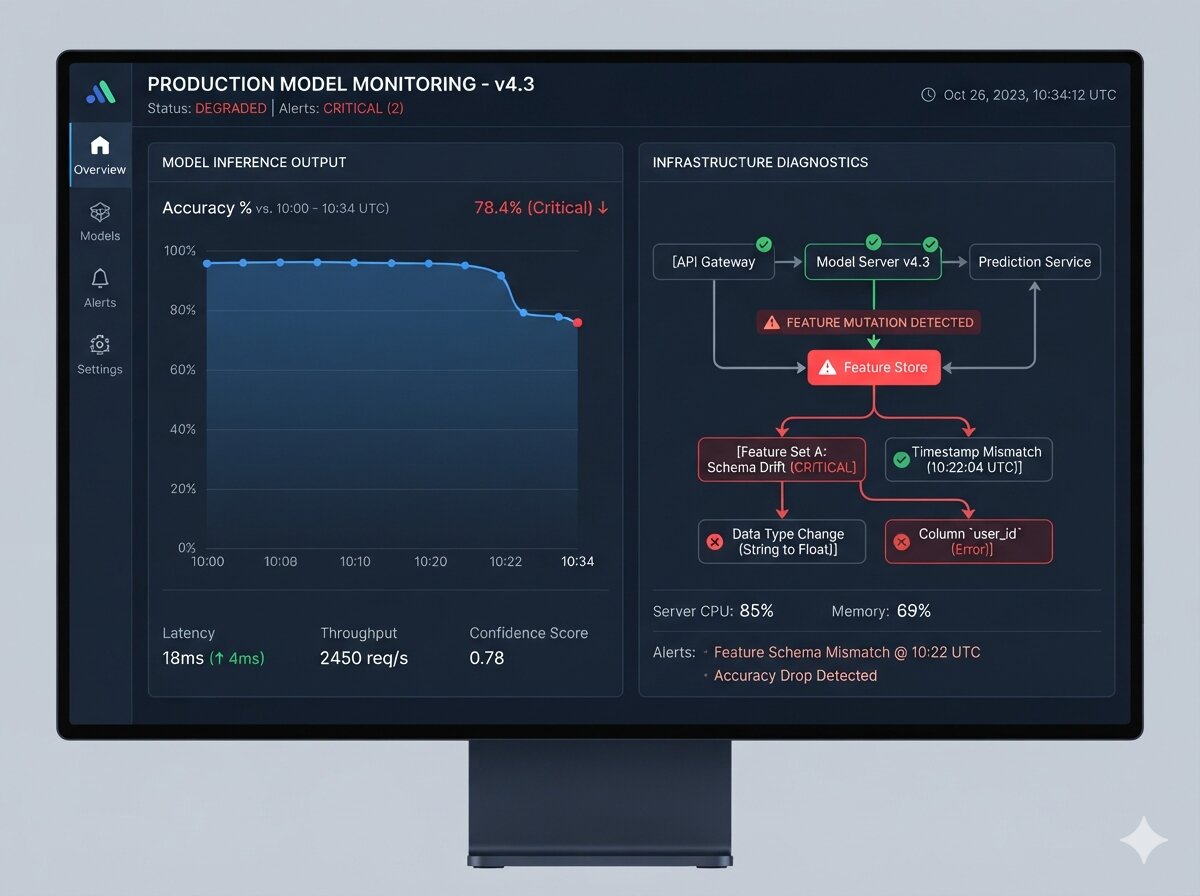
- The Strategy: Connect your reverse-proxy logs directly to data visualization tools to monitor the systemic drop in v1 request volumes and the corresponding adoption spike in v2 traffic.
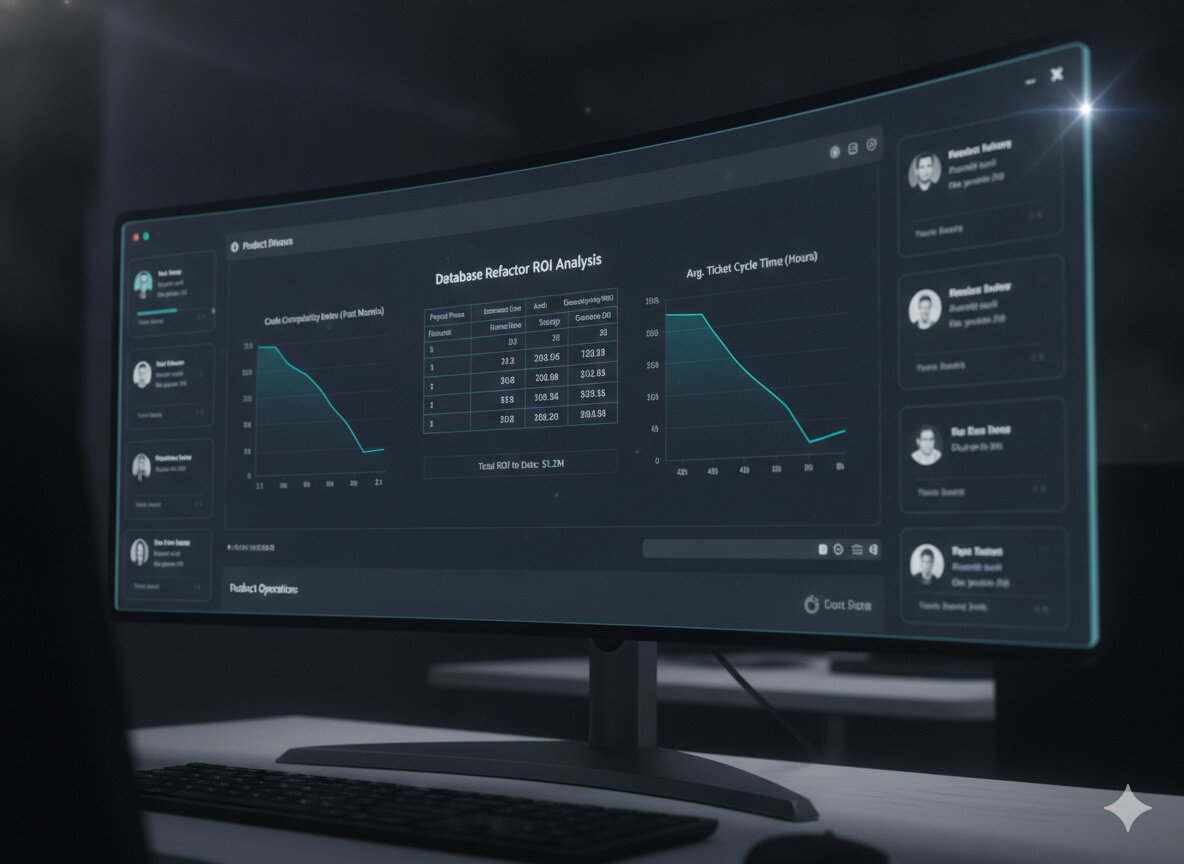
- The Play: "We anchor our program status updates in real-time system realities. By charting our daily active API keys on a live Grafana dashboard tracking legacy route traffic, we pinpoint the exact enterprise accounts still generating traffic, allowing our Developer Relations teams to prioritize target support with zero guesswork."
10. L-oop Performance and Translation Overhead Analysis
Continuously measure and optimize the latency and resource overhead introduced by your backward-compatible proxy layers.
- The Strategy: Run automated performance delta scans to ensure that the JSON-to-GraphQL translation layer does not compromise core system latency.
- The Play: "Every week, our infrastructure monitors run automatic delta sweeps across our translation proxies. If the overhead of payload serialization between v1 and v2 adds more than 15 milliseconds to our p99 server response metrics, the system surfaces the specific data mapping loops causing the lag, allowing engineers to optimize the code before performance degrades."
11. O-perational Blueprint Standardization
Package your successful translation proxy architectures and brownout playbooks into a repeatable enterprise platform framework.
- The Strategy: Save your optimized migration schemas, header injection middleware, and brownout scripts into an internal architecture repository to accelerate future feature lifecycles.
- The Play: "We turn migration overhead into a standardized internal asset. By archiving our complete deprecation topology into a repeatable 'Platform Sunset Playbook,' we give every internal product and platform group a plug-and-play toolkit to safely deprecate legacy systems, boosting organization-wide architectural agility."
12. W-orkflow Automation and Ticket Generation
Deconstruct remaining unmigrated accounts into automated engineering task items to close out the final long tail of deprecation.
- The Strategy: Use the AI engine to sweep remaining traffic profiles and auto-generate client-specific integration tickets for developer relations squads.
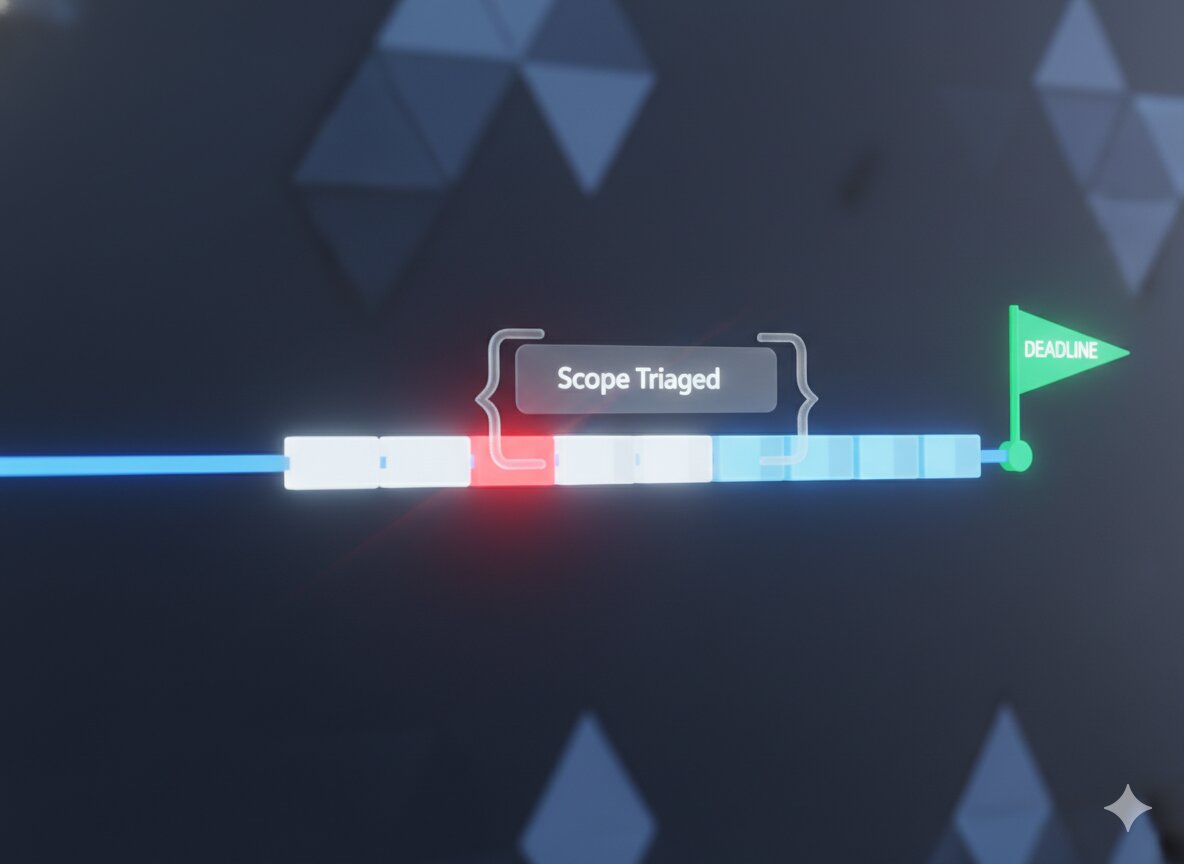
- The Play: "As we approach our final sunset deadline, the intelligence engine parses the final remaining v1 traffic logs, matches the caller IDs to internal customer records, and automatically drafts technical escalation briefs complete with the exact endpoints and code snippets the clients need to change, ready for our support teams to act upon instantly."
The Comparison: Bad vs. Good
- Bad Answer: "I would send out a mass email notification to all our developers with a six-month deadline, write a thorough markdown migration guide for our website documentation, and repeatedly email the remaining unmigrated accounts to ask them to update their systems before we turn off the old endpoints." (High risk, reactive, relies heavily on external execution, guarantees missed timelines, and creates immense friction for client developers).
- Good Answer: "I will de-risk our ecosystem migration by deploying the DECOUPLE-FLOW framework—using Generative AI to map REST schemas directly to new GraphQL layers, architecting a stateless compatibility proxy to decouple backend dependencies, injecting standard RFC sunset headers into legacy payloads, and executing controlled progressive traffic brownouts to systematically force safe client migrations." (Highly strategic, technically sophisticated, developer-centric, and focused on absolute ecosystem stability).









.jpg)