The Interview Trap: The "Spreadsheet Firefighter" Deficit
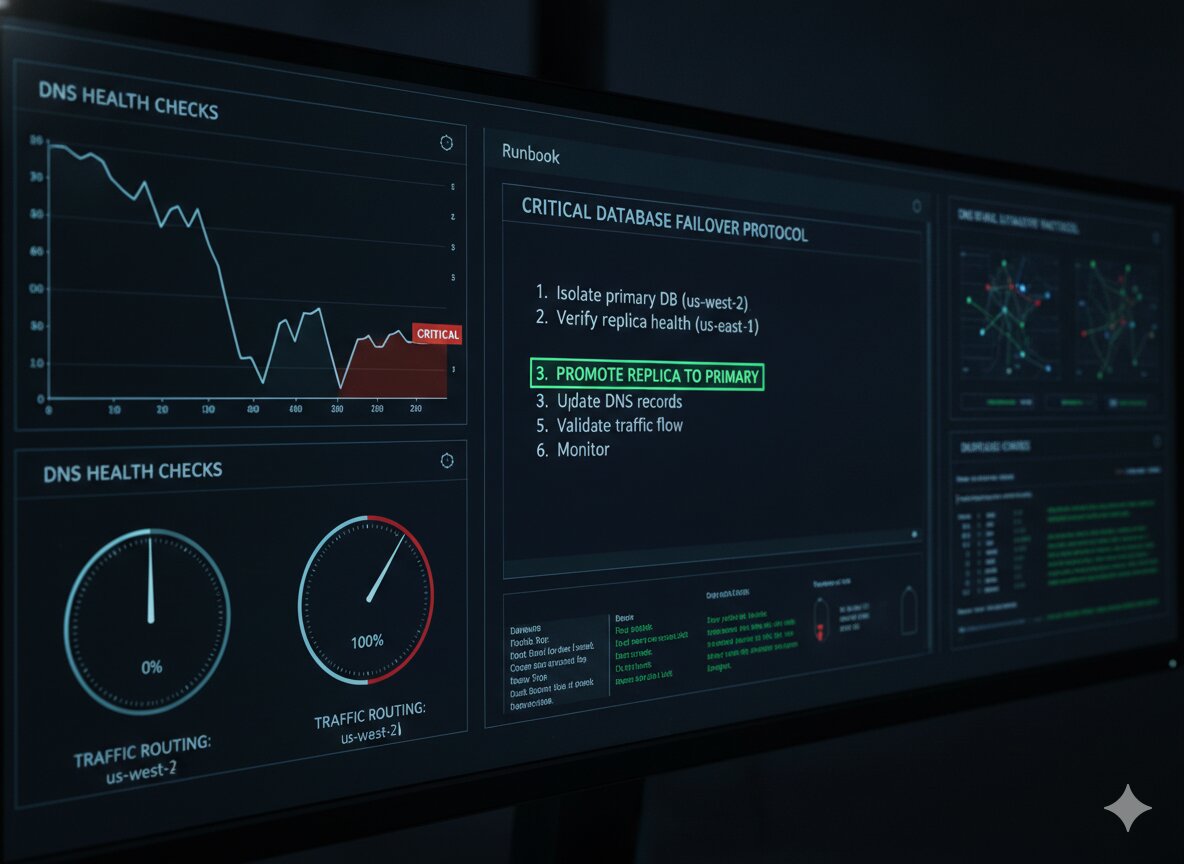
The interviewer drops a complex, operational execution scenario on the table: "You are managing a multi-tiered platform infrastructure migration involving 12 separate engineering teams. Halfway through the quarter, three core upstream dependencies slip by two sprints, threatening to cascade and delay the entire product launch. Your day is completely consumed by manually chasing down ticket updates, updating Excel matrices, and rewriting status briefs. How do you recover your time and get this program back on track?"
Most candidates answer by leaning heavily into legacy, high-friction manual coordination: "I would instantly schedule daily sync meetings with all 12 engineering managers, manually audit every single ticket in the Jira backlog, and rebuild our cross-team dependency roadmap line by line." Stop. Managing large-scale technical complexity through brute force is a major red flag in modern technical program loops. It indicates that you are operating as an administrative project tracker rather than a high-leverage technical program manager. In senior execution rounds at companies like Atlassian, Google, and Meta, panels are explicitly looking for your ability to design Automated Governance Workflows, Predict Outbound Program Risks, and Leverage Native AI/ML Integrations to Eliminate Low-Value Operational Firefighting.
The Core Framework: The "AUTO-TRACK" Method
Elite TPMs don't spend their energy on manual ticket grooming or copy-pasting status templates. They build systemic, self-healing tracking loops by embedding advanced automation layers directly into their project management ecosystem.
1. A-lgorithmic Backlog Predictive Estimation
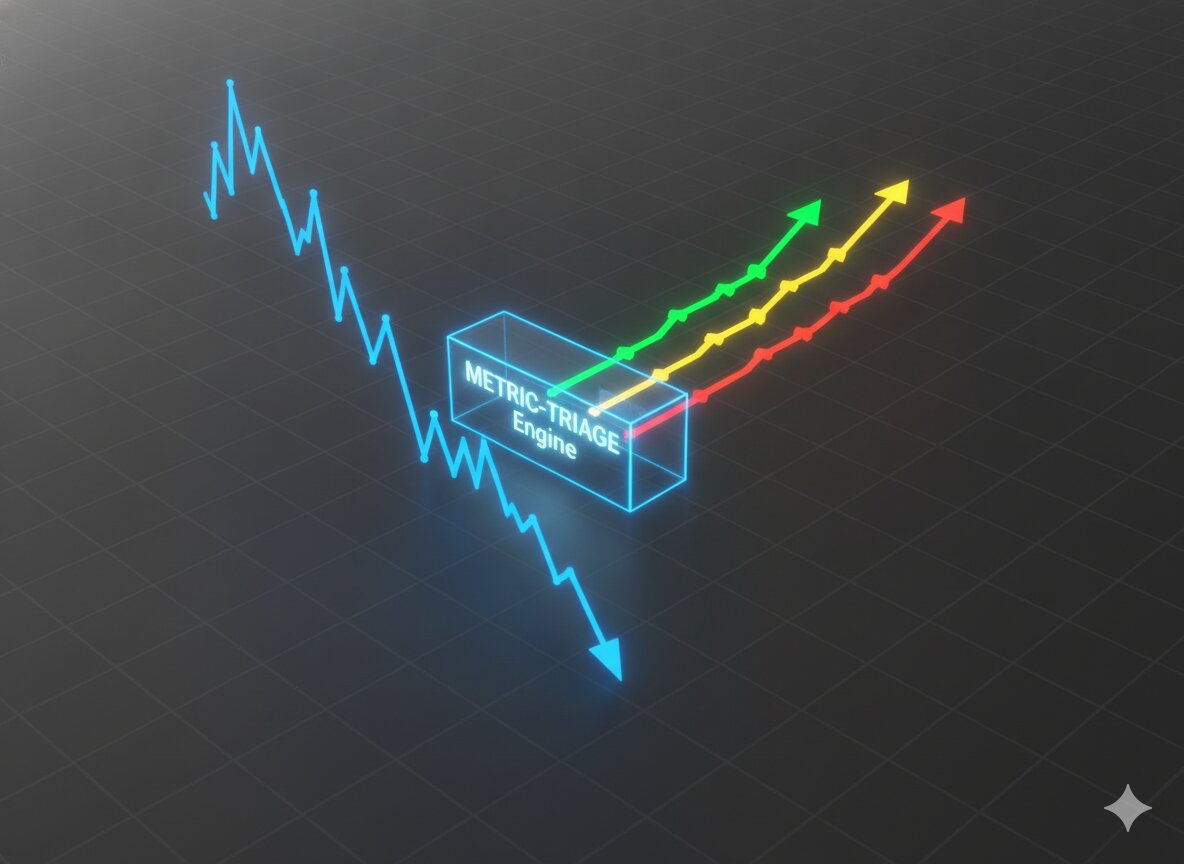
Move away from legacy, manual estimation methods by running automated predictive forecasts against your active issue tracking repositories.
- The Strategy: Leverage native predictive analytics engines within enterprise tools (such as Jira Advanced Roadmaps or ClickUp AI) to calculate real-time sprint completion horizons based on team velocity trends.
- The Play: "Instead of relying on engineering gut instinct or static estimations during a crisis, I will activate predictive backlog estimation engines. By configuring the platform to analyze historical velocity, rolling scope-creep metrics, and individual team churn patterns over the last six sprints, the system automatically flags which epics are mathematically at risk of missing the launch window—allowing us to re-scope proactively."
2. U-pstream Dependency Cascade Tracing
Automate the isolation of hidden, multi-layered blockages across intersecting engineering pipelines.
- The Strategy: Deploy automated intelligence platforms to scan cross-project issue linkages and visually map deep cascade failure paths.
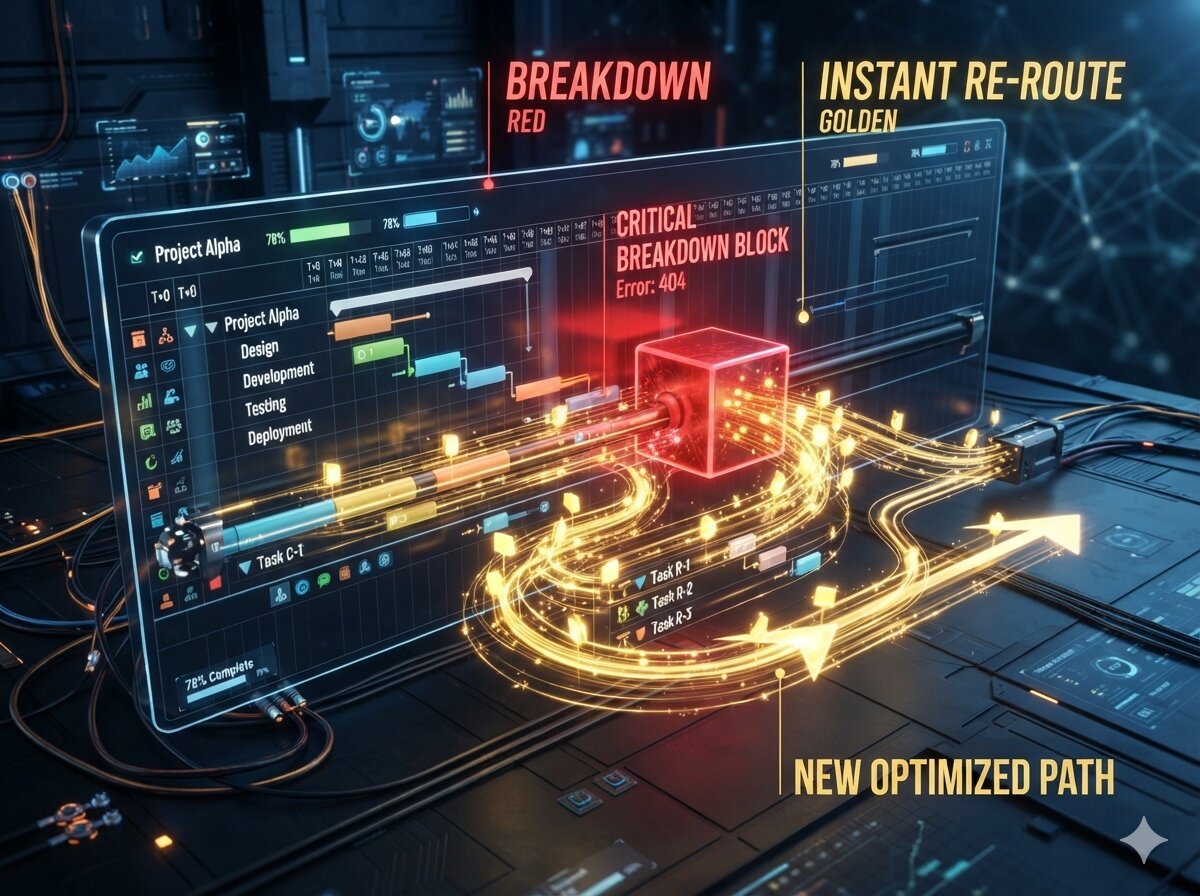
- The Play: "We will eliminate manual dependency checking entirely. I will implement automated cross-project correlation rules using Atlassian Intelligence or Asana Intelligence. When an upstream infrastructure team changes a delivery target date on a foundational API ticket, the system executes an immediate trace graph, automatically flagging downstream blockers across all intersecting feature team boards and alerting the impacted owners in real-time."
3. T-eams & Slack Chatbot Synthesizers
Keep distributed teams tightly aligned without forcing engineers to leave their primary development environments.
- The Strategy: Integrate automated natural language processing (NLP) bots into chat infrastructure to capture updates directly inside communications streams.
- The Play: "To reduce communication friction, I will deploy contextual automation bots within our engineering Slack or Teams channels. Instead of interrupting developers with manual status pings, the bot monitors active slack discussion threads on high-risk blockers, extracts the core resolutions, and prompts the owner with a single click to instantly update the corresponding Jira issue layout."
4. O-ptimized Machine Note & Action Extraction
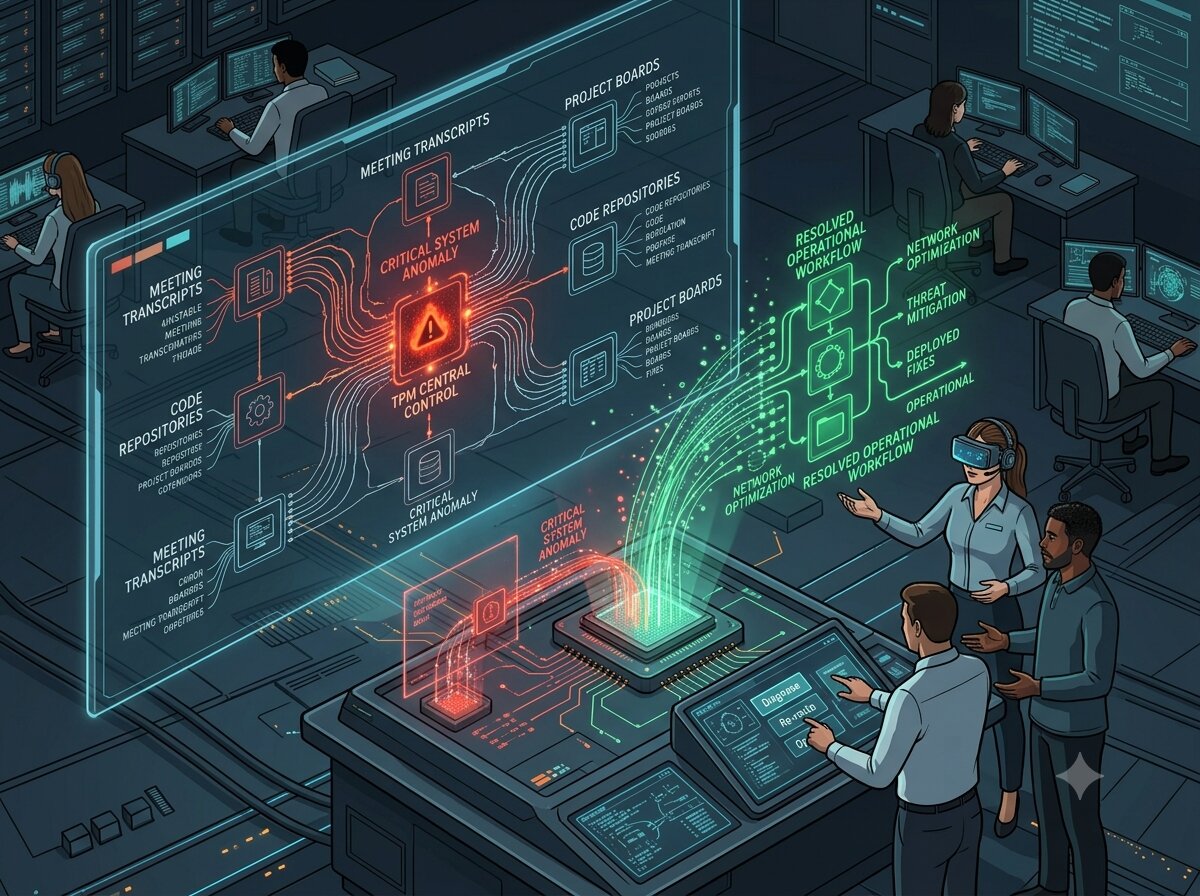
Turn unstructured meeting transcripts into structured, production-ready project artifacts automatically.
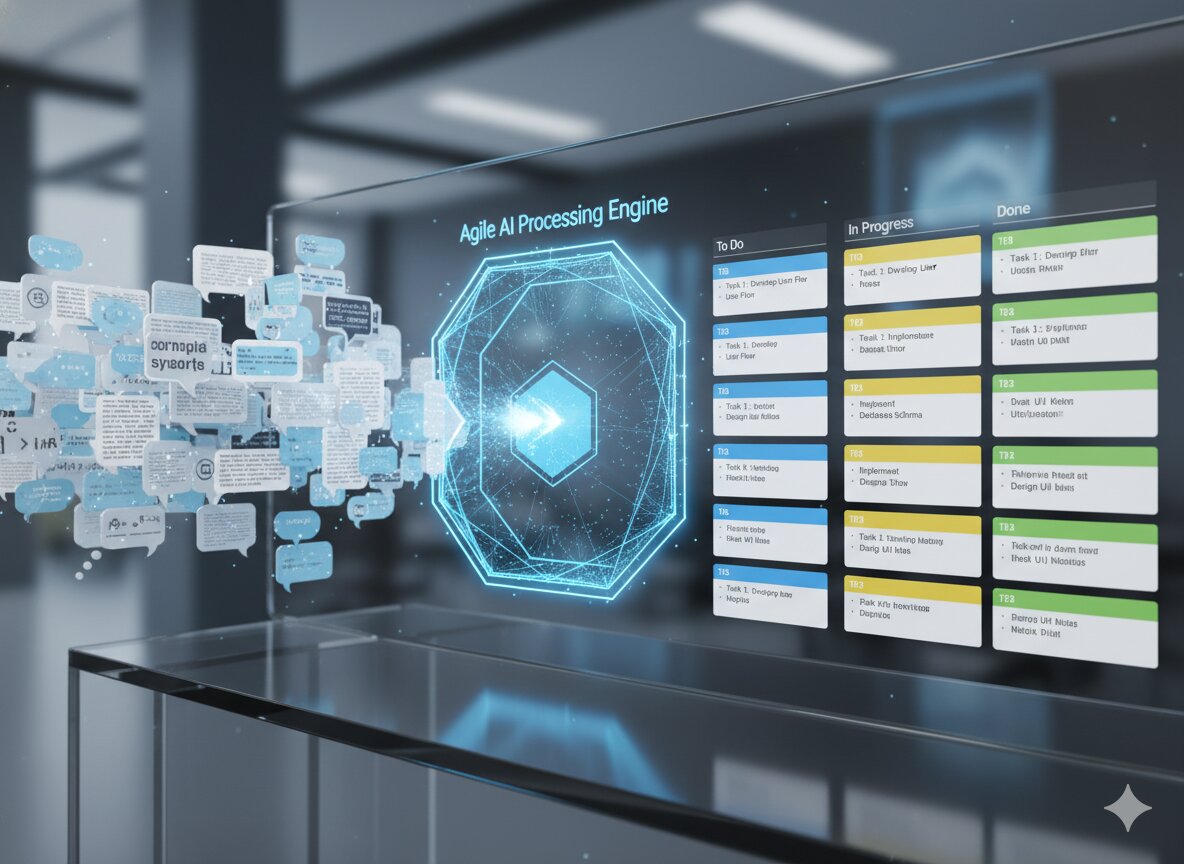
- The Strategy: Use advanced AI-powered meeting assistants (like Fireflies.ai or Notion AI) to synthesize complex architecture syncs.
- The Play: "I will recover up to 5 hours of manual documentation time per week by utilizing specialized AI transcription assistants during our cross-functional alignment syncs. The AI automatically processes the unformatted audio feed from complex technical debates, highlights critical architectural decisions, maps action items directly to individual engineering owners, and seeds draft tickets directly into our backlog."
5. T-icket Grooming & Prompt-Driven Cleansing
Enforce data hygiene across thousands of enterprise tickets using automated contextual parsing.
- The Strategy: Use LLM writing assistants to review backlog descriptions, refine technical criteria, and auto-populate metadata.
- The Play: "Poor backlog hygiene breaks high-scale reporting. I will set up automated prompt hooks to review newly created tickets. If an engineer creates a ticket lacking clear user acceptance criteria, architectural definitions, or required component tags, the assistant automatically suggests clear revisions and appends the proper operational metadata before the issue enters sprint planning."
6. R-AID Log Predictive Risk Identification
Transition from reactive problem-solving to proactive, data-backed risk mitigation.
- The Strategy: Run predictive threat algorithms across historical delivery data to surface micro-signals of impending team delays.
- The Play: "I will convert our standard RAID (Risks, Assumptions, Issues, Dependencies) log into a dynamic tracking instrument. By feeding historical delivery patterns—such as code review latencies, build failure rates, and QA bottleneck tendencies—into an intelligence layer, the platform identifies early warning indicators of a slip weeks before a human milestone is explicitly breached."
7. A-utomated Exec Status Generation
Consolidate messy, cross-functional engineering metrics into clean, high-level executive updates with a single click.
- The Strategy: Use generative summarizing systems to convert low-level task updates into executive summaries tailored for leadership.
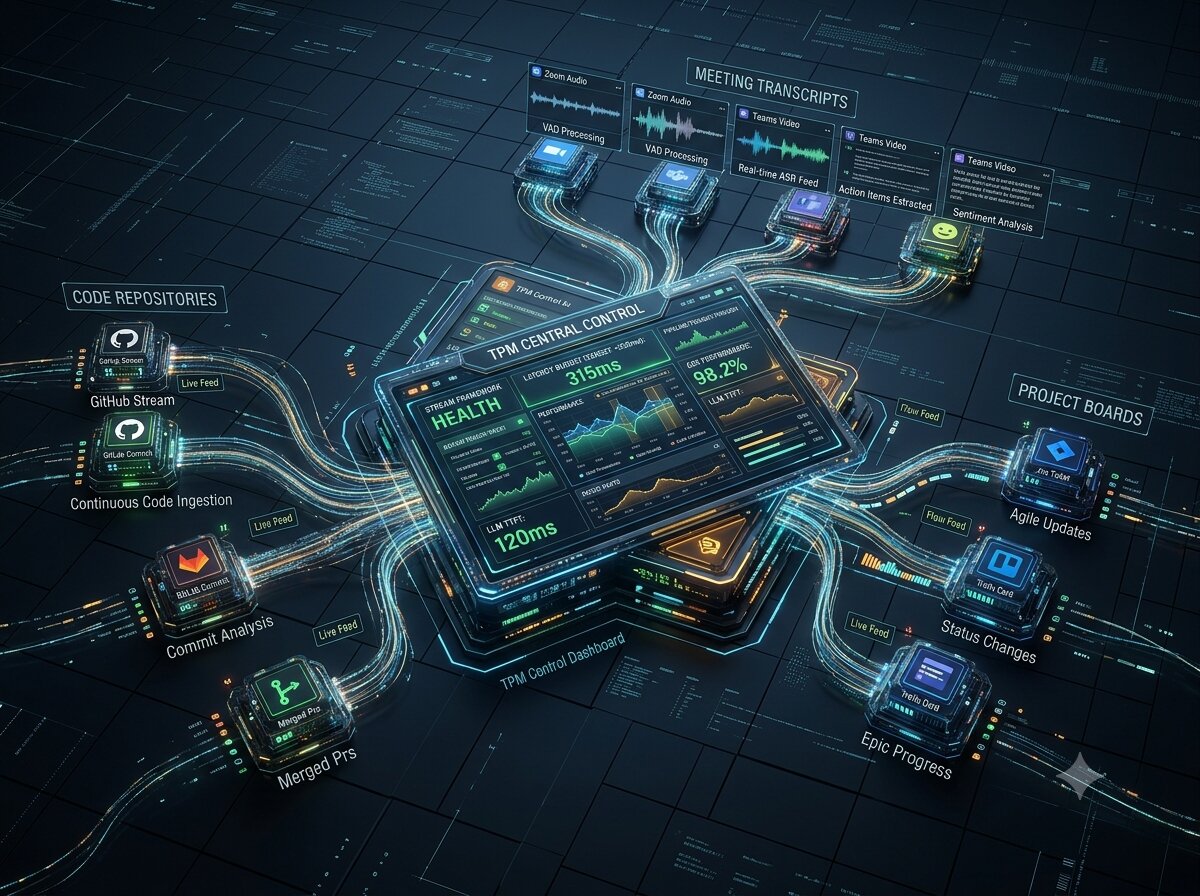
- The Play: "Executives don't have the time to read through hundreds of individual engineering tickets. I will construct a centralized dashboard that leverages large context language models to digest thousands of developer updates, burndown charts, and release states. It instantly generates polished, metric-driven status summaries tailored specifically to the operational visibility requirements of our VP of Engineering."
8. C-ompliance and Governance Rule Hardening
Ensure that all automated platform workflows conform strictly to internal corporate security, ethics, and legal boundaries.
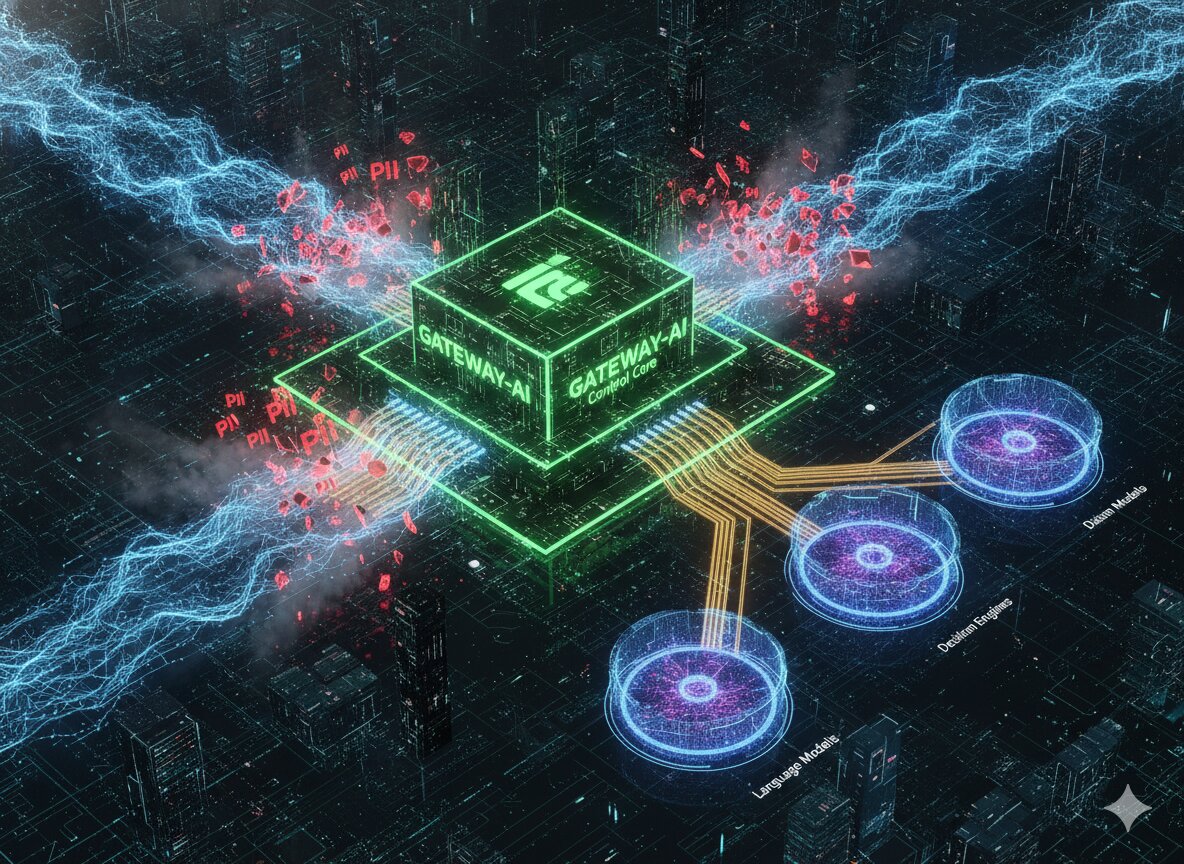
- The Strategy: Build programmatic gatekeepers to prevent proprietary architectural context from exposing internal data to unauthorized environments.
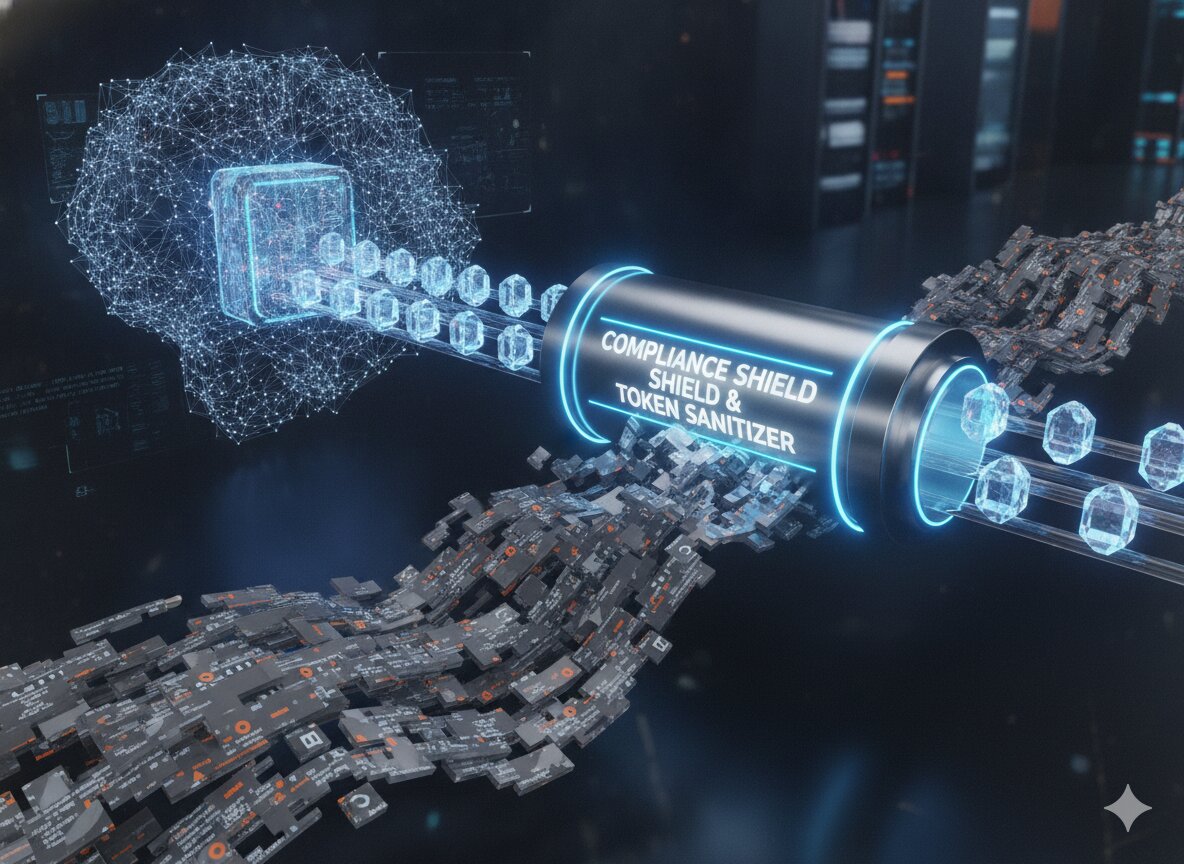
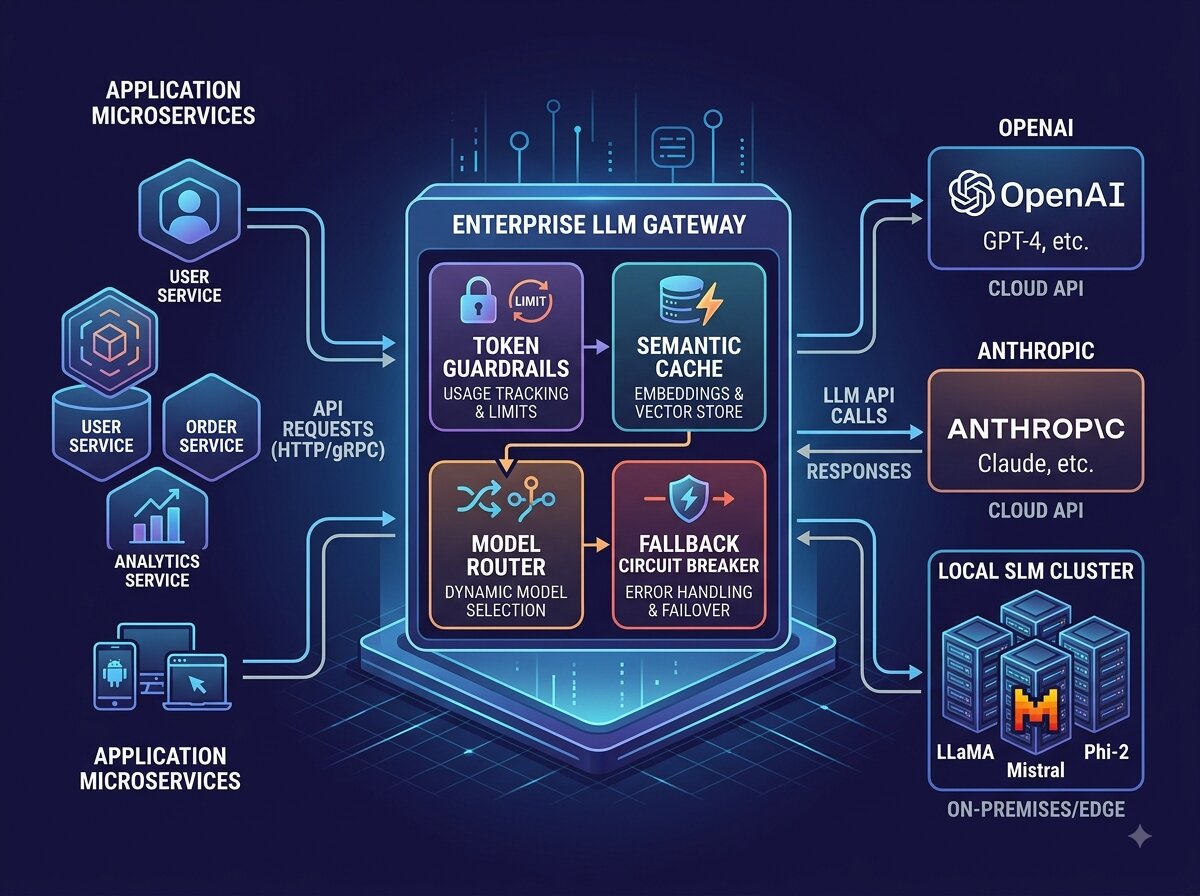
- The Play: "Security is non-negotiable. As I scale our AI automation layers, I will establish strict governance policies. We will exclusively route program metadata through enterprise-secured sandboxes that enforce zero data retention models, ensuring no sensitive IP or proprietary code fragments ever leave our secure tenant boundaries."
9. K-PI-Driven Dashboards and Live Telemetry
Anchor your program metrics in live production data rather than manual manual inputs.
- The Strategy: Connect project portfolios to automated business intelligence platforms (like Power BI with embedded AI) for live delivery reporting.
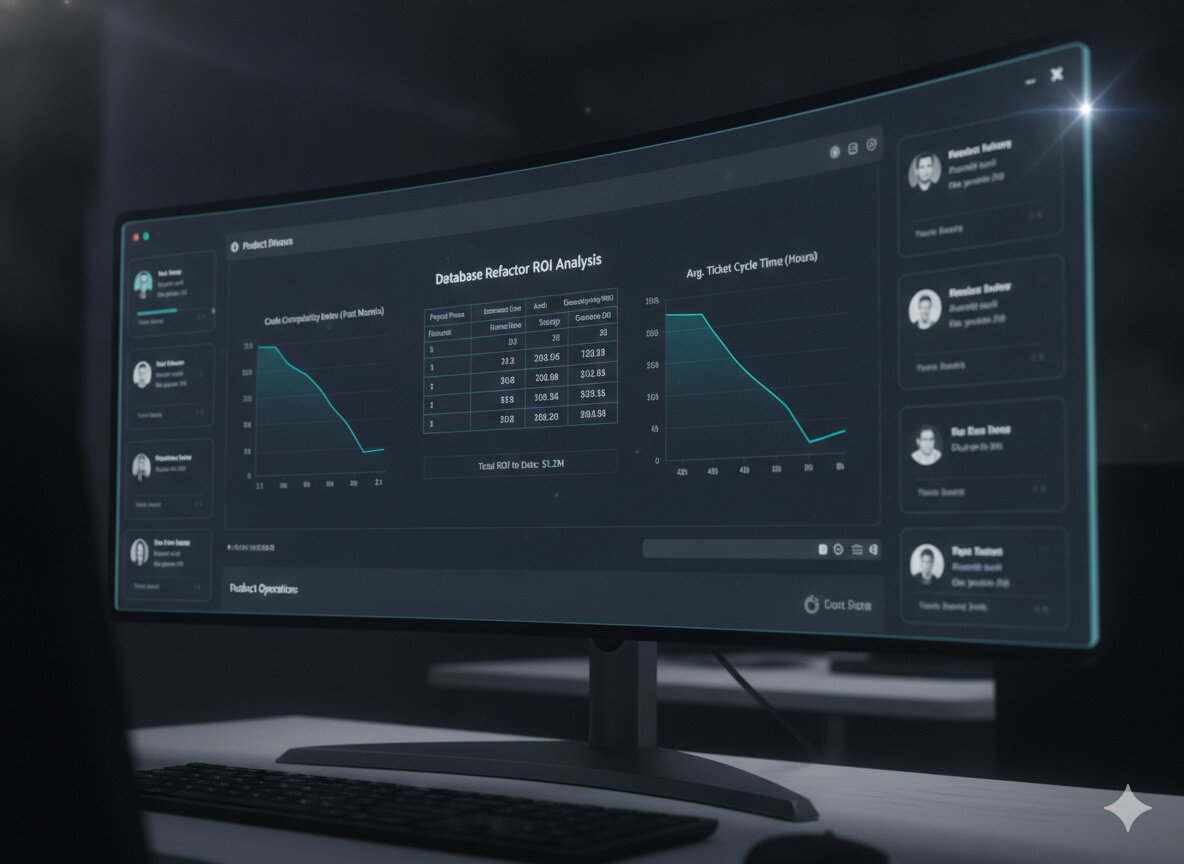
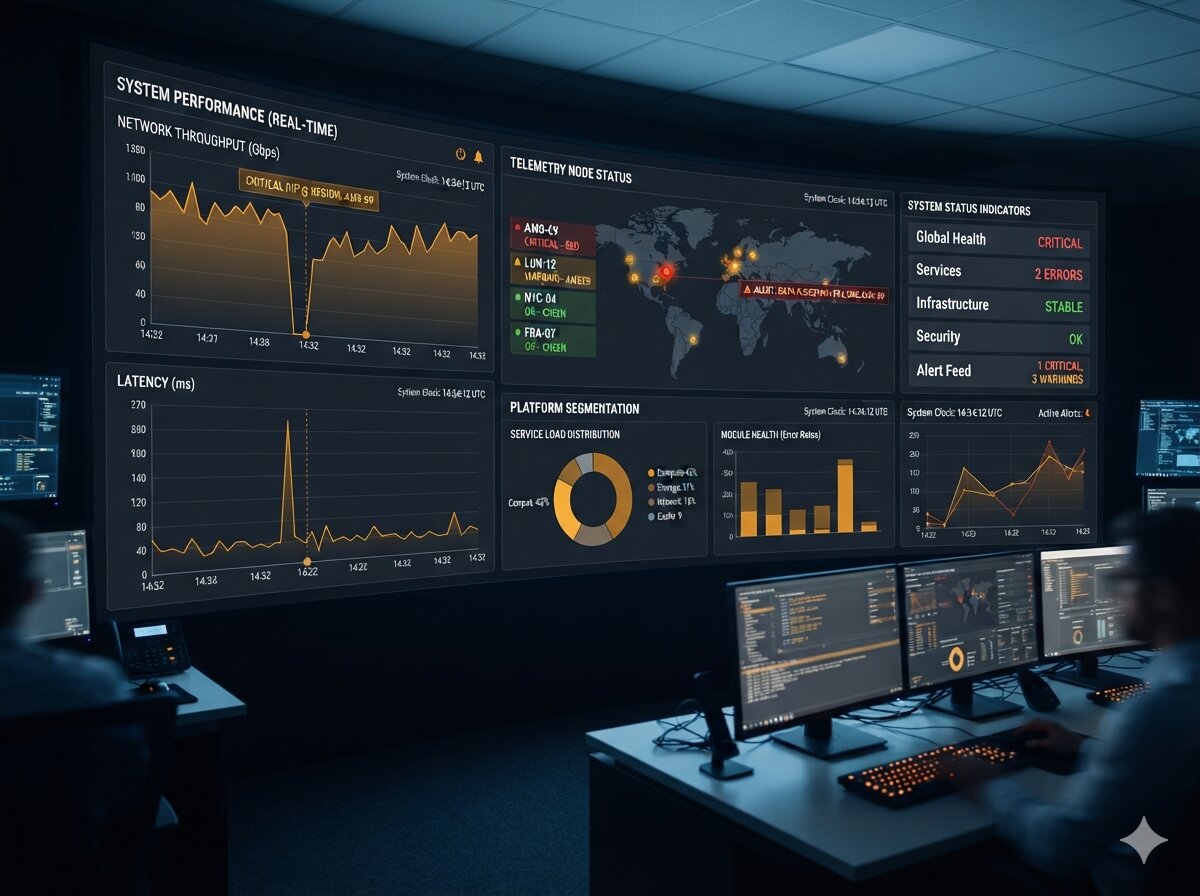
- The Play: "Ultimately, I want our tracking to reflect real engineering outcomes. I will build automated telemetry dashboards that tie our Jira milestone tracking directly to live production deployment analytics and CI/CD pipeline states. This gives leadership real-time visibility into actual delivery value, completely removing manual reporting bias from the equation."
The Comparison: Bad vs. Good
- Bad Answer: "When a program falls behind, I build a massive master spreadsheet, send calendar invites for sync meetings to every engineer every morning, and spend my evenings typing out manual ticket updates and status emails to keep everyone aligned." (Low leverage, highly administrative, scales poorly, and quickly causes team fatigue).
- Good Answer: "I mitigate operational complexity by deploying the AUTO-TRACK framework—leveraging predictive analytics to anticipate backlog delays, automating dependency cascade mapping, and utilizing AI-driven meeting summarizers to handle low-value tracking tasks so I can focus purely on strategic architectural blockers." (High leverage, programmatic, deeply scalable, and outcomes-oriented).
Unlock Enterprise Delivery Leverage
The modern tech landscape demands a fundamentally different approach to execution. As software velocity accelerates, top-tier organizations are looking for Technical Program Managers who know exactly how to turn modern AI systems and advanced workflow automation into personal force multipliers. Moving away from manual administrative work to build automated tracking engines demonstrates that you are ready to manage multi-million dollar program portfolios without breaking a sweat.
The Kracd Prep Kits provide comprehensive materials, including production-ready Jira automation playbooks, AI tool stack evaluations, and real-world system delivery templates designed specifically for forward-thinking engineering leaders.
- For PMs: Learn how to co-pilot with Generative AI tools to write hyper-precise PRDs, analyze customer feedback datasets at scale, and map technical requirements seamlessly with the PM Prep Guide.
- For TPMs: Master advanced AI-driven program scoping, prompt engineering for complex system migrations, automated dependency parsing, and high-velocity schedule modeling with the TPM Prep Kit.
FAQs
Q: Will automation and AI-driven workflows eventually eliminate the need for TPMs entirely?
A: Absolutely not. AI and automated tools are highly efficient at processing data, tracking schedules, and summarizing notes—but they completely lack human judgment, empathy, and strategic negotiation skills. An AI can highlight a cross-team dependency slip, but it cannot sit down with a skeptical engineering director to rebuild team trust, handle conflicting priorities, or navigate complex organizational cross-currents. Automation handles the low-value administrative overhead so you can focus on high-value human leadership.
Q: Our engineering organization uses highly customized, legacy internal project tracking setups. Can we still apply these AI concepts?
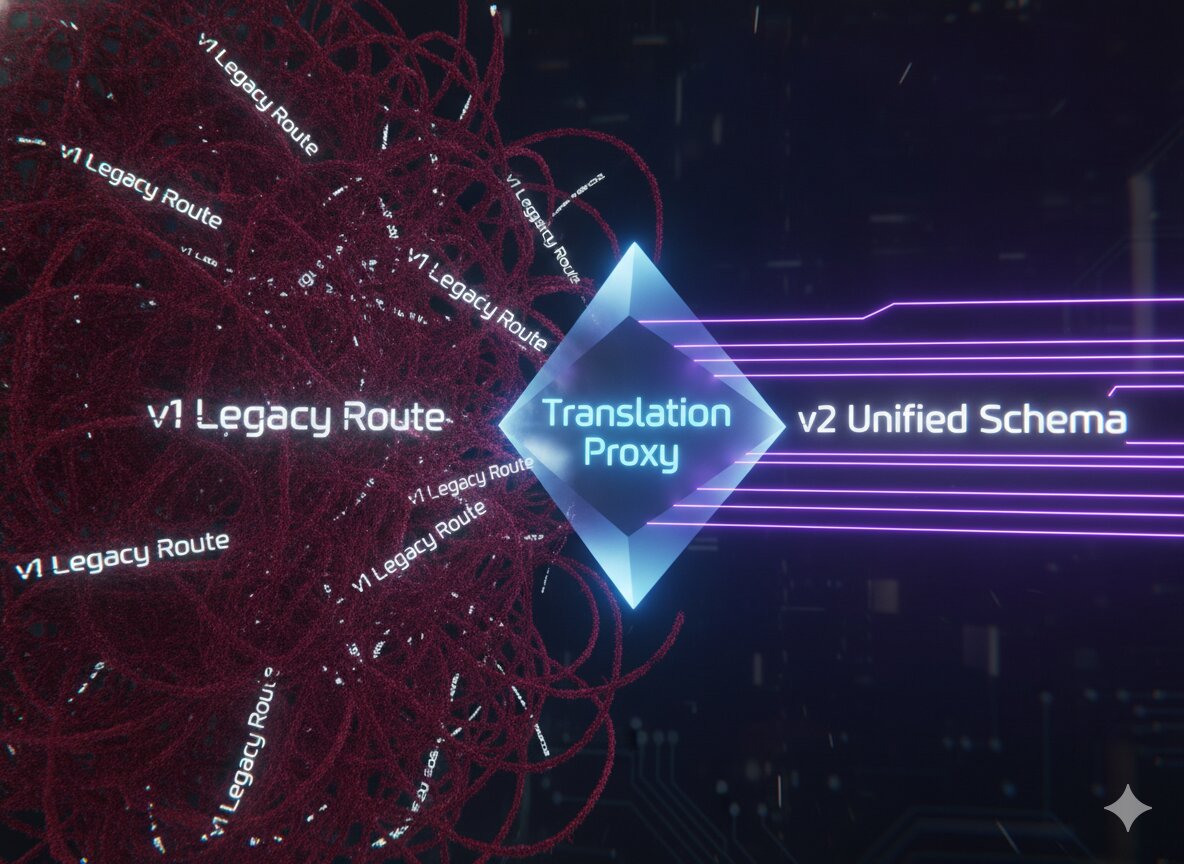
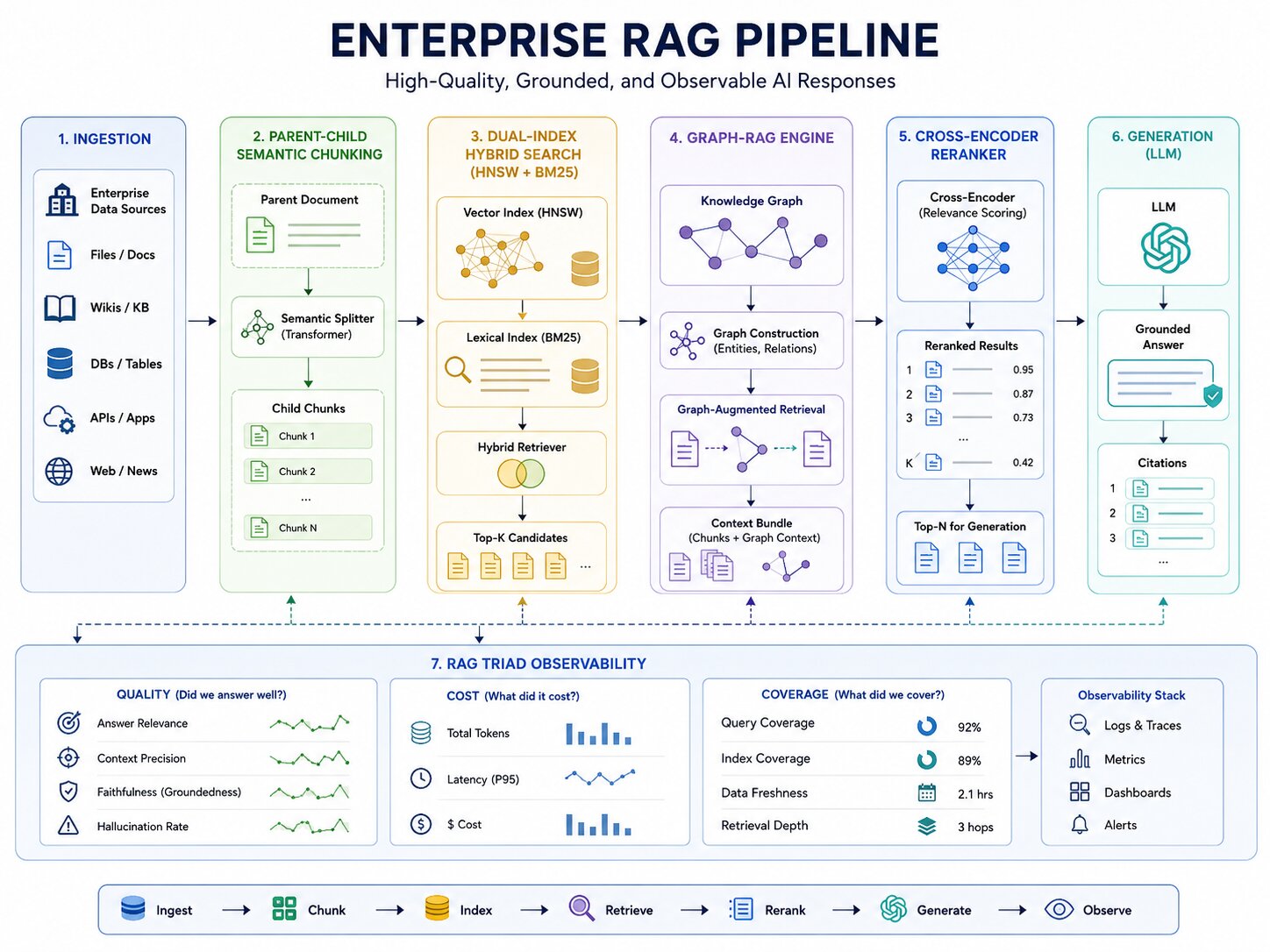
A: Yes, by leveraging API webhooks and orchestration layers. You don't need a single out-of-the-box software suite to build an automated workflow. Most enterprise infrastructure platforms expose extensive developer APIs. By building simple automation scripts or leveraging middle-tier tools, you can easily pull data from legacy code repositories, pass the payload through secure LLM processing nodes, and push the structured updates straight back into your internal tools.
Q: How do I talk about using AI tools in a formal TPM job interview without sounding lazy?
A: Frame the tools entirely around business outcomes, personal leverage, and engineering velocity. Never state that you use AI to "save yourself work." Instead, explain that you automate administrative data collection to maximize your strategic impact. Use precise wording: "I automate low-value ticket tracking to free up cognitive capacity for system design reviews, cross-functional conflict resolution, and proactive technical risk discovery."












.jpg)