The Stakeholder Trap
Most PMs treat a feature request as a binary choice: Yes or No. Stop. A flat "No" creates a wall. A "Yes" to a low-priority item is a "No" to your high-priority goal. Your job is to move the conversation from "Features" to "Impact."
The Core Framework: The "3-E" Stakeholder Model
1. Empathy (The "Listening" Layer)
Before you disagree, you must prove you understand the pain.
- The Strategy: Use Reflective Validation.
- The Soundbite: "I hear that the Sales team is losing deals because we lack Feature X. That puts our Q3 revenue target at risk, and I understand why this feels like a P0. Let’s look at how we can solve that pain without derailing our core stability."
2. Evidence (The "Objectivity" Layer)
Never make it "Your Opinion vs. Their Opinion." Let the data be the "Bad Guy."
- The Tactics: Use a Prioritization Matrix (Value vs. Effort).
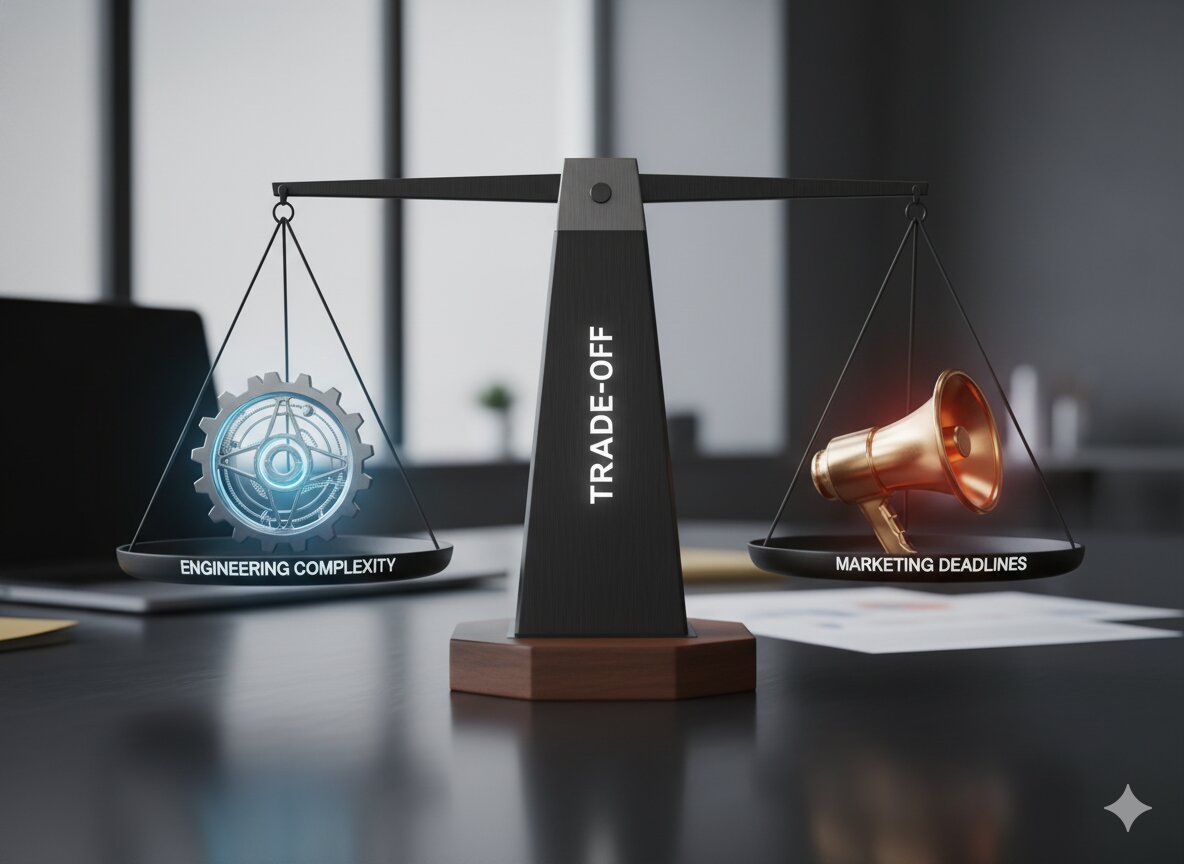
- The Soundbite: "Feature X has high value, but our engineering audit shows it requires a complete database migration (High Effort). If we pull the team for this, we have to drop 'Project Y,' which is currently driving 40% of our growth. Are we comfortable with that tradeoff?"
3. Evolution (The "Not Now" Layer)
A "No" for today doesn't have to be a "No" forever. Give them a path forward.
- The Tactics: Use the "Sequencing" approach.
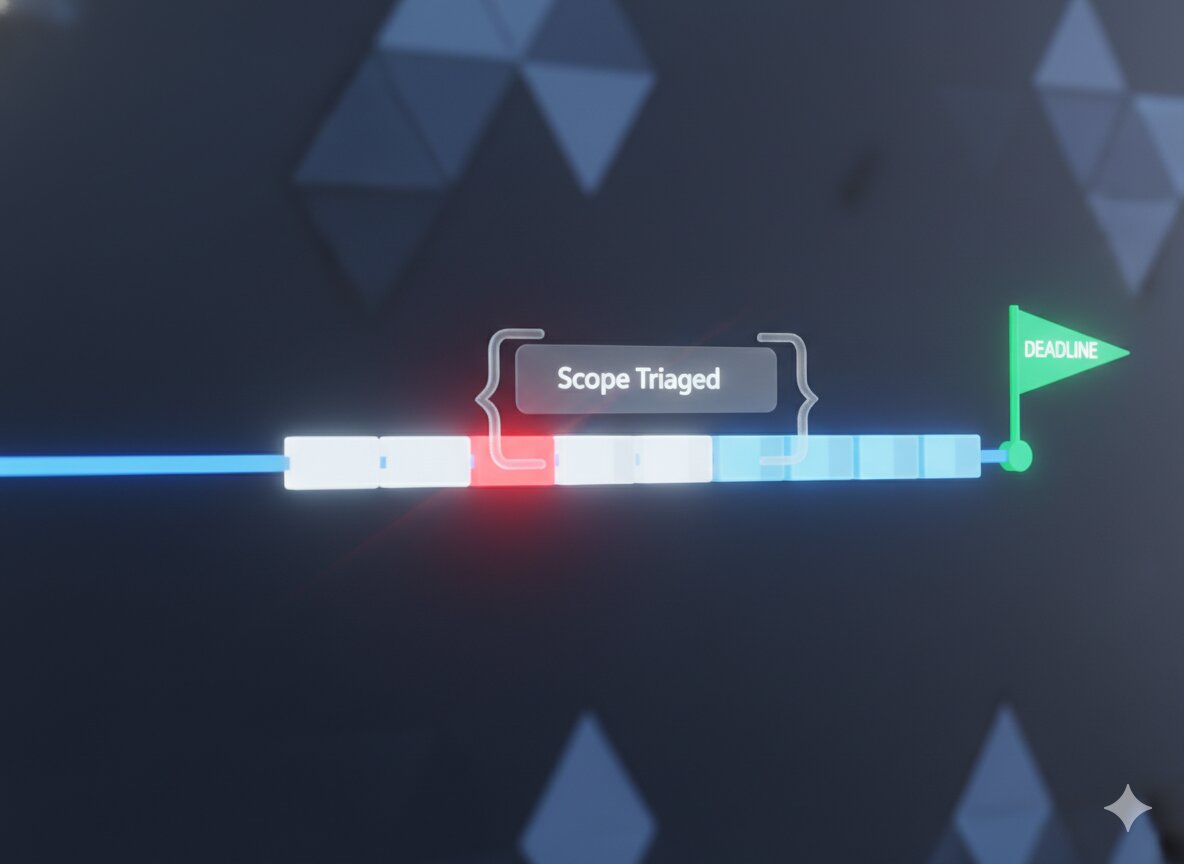
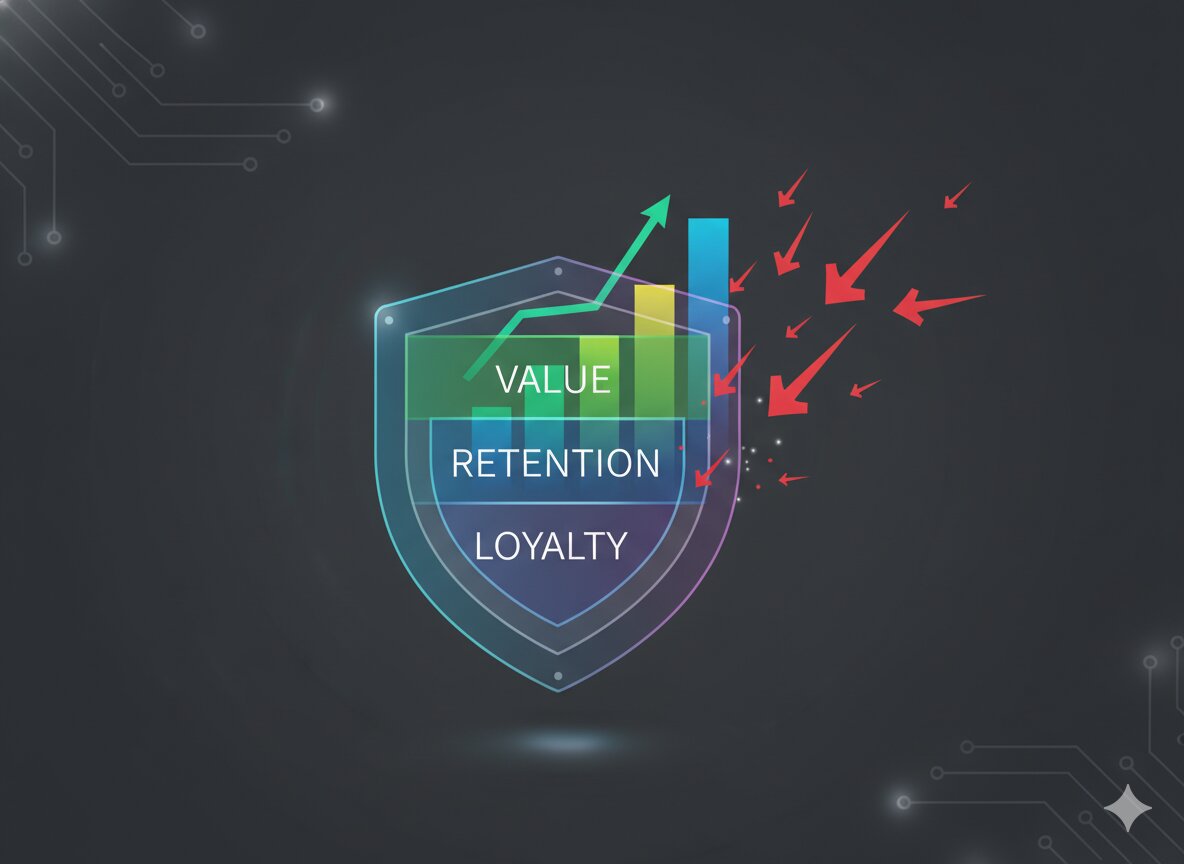
- The Soundbite: "We aren't saying 'No' to Feature X; we are saying 'Not in this Sprint.' I am adding it to the 'Discovery Backlog.' Once we hit our 'Retention Milestone' on the current project, we will re-evaluate the ROI for this feature. Let’s sync again in 4 weeks."
The "People Pleaser" PMThe "Strategic Partner" PMSays "Yes" to avoid conflict.Says "Not Now" to protect the vision.Overpromises and underdelivers.Manages expectations with Data.Views stakeholders as "Obstacles."Views stakeholders as "Co-investors."
Negotiate Like a Lead
Stakeholder management is about Trust. When you consistently use a transparent framework to make decisions, stakeholders stop feeling "ignored" and start feeling "informed." You need to prove you can lead through influence, not just authority.
Our kits provide "Stakeholder Communication Scripts" and "Roadmap Negotiation Templates" used by lead PMs at Slack, Salesforce, and Uber.
- For PMs: Command the room and protect your roadmap with the PM Prep Guide.
- For TPMs: Navigate complex technical trade-offs with the TPM Prep Kit.
FAQs
Q: What if the CEO insists on a "Bad" feature?
A: Align on the Goal, not the Tactic. "I'm 100% aligned with your goal of hitting $10M ARR. However, my concern is that this feature might increase churn by 5%. Can we run a 1-week 'Smoke Test' to validate the demand before we commit the full engineering team?"
Q: How do I handle "Shadow Roadmaps" (Engineers building what they want)?
A: Transparency. Share the "Why" behind the official roadmap. When engineers see the direct link between their code and a "Core User Pain," they are much less likely to go rogue.
Q: How often should I update stakeholders?
A: Radical Transparency. Send a weekly "TL;DR" email: What we Shipped, What’s Blocked, and What’s Next. If they know the status, they won't feel the need to "check in" constantly.



















.jpg)