How to Build a Winning TPM Resume: Key Focus Areas to Highlight

A well-crafted resume is your first opportunity to impress recruiters and hiring managers during your Technical Program Manager (TPM) job search. Given the competitive nature of the role, it's essential to highlight the skills, experiences, and accomplishments that make you a standout candidate. In this guide, we'll walk you through the key focus areas to include in your TPM resume, helping you create a document that catches attention and opens doors to interviews.

Introduction
A well-crafted resume is your first opportunity to impress recruiters and hiring managers during your Technical Program Manager (TPM) job search. Given the competitive nature of the role, it's essential to highlight the skills, experiences, and accomplishments that make you a standout candidate. In this guide, we'll walk you through the key focus areas to include in your TPM resume, helping you create a document that catches attention and opens doors to interviews.

1. Tailor Your Resume to the TPM Role

Why it Matters:
One-size-fits-all resumes are rarely effective, especially for highly specialized roles like a TPM. Tailoring your resume to reflect the specific responsibilities and skills listed in the job description can significantly increase your chances of landing an interview.

How to Do It:

  • Customize Your Objective/Professional Summary: Use the summary section at the top of your resume to highlight your experience as it relates to the specific TPM role. If you have experience in managing cross-functional teams, leading technical programs, or delivering complex projects, mention these right away.
  • Use Keywords from the Job Description: Integrate relevant keywords, such as “program management,” “stakeholder management,” “Agile,” and “system design,” that align with the job posting. This will also help you pass Applicant Tracking Systems (ATS).

2. Highlight Relevant Technical Skills

Why it Matters:
While TPMs don't code on a daily basis, technical proficiency is still essential. Employers want TPMs who can engage with engineering teams, understand system design, and grasp technical concepts.

How to Do It:

  • System Design and Architecture: List your experience with designing scalable systems, cloud infrastructure, and APIs.
  • Software Development Lifecycle (SDLC): Demonstrate your knowledge of SDLC processes, including Agile and Waterfall methodologies.
  • Technical Tools: Mention tools you’re familiar with, such as Jira for project management, Confluence for documentation, and GitHub for version control.
  • Other Technical Skills: Highlight any knowledge of cloud services (AWS, Azure), programming languages (Java, Python), or database management (SQL, NoSQL).

3. Showcase Your Program and Project Management Expertise

Why it Matters:
A core responsibility of a TPM is managing large, complex technical programs, often across multiple teams. Highlighting your program and project management experience is critical for demonstrating your ability to deliver results.

How to Do It:

  • Use Metrics to Showcase Impact: Instead of listing generic duties, include measurable achievements such as “Led a cross-functional team to deliver a cloud migration project 10% ahead of schedule” or “Managed a program with 5+ engineering teams, resulting in a 25% improvement in operational efficiency.”
  • Agile and Scrum Experience: If you’ve worked with Agile or Scrum methodologies, mention your experience facilitating sprints, managing backlogs, and leading stand-ups.
  • Program Leadership: Include examples of large-scale program leadership, such as handling multiple dependencies, managing risks, or leading initiatives with significant business impact.

4. Demonstrate Strong Communication and Leadership Skills

Why it Matters:
TPMs are often the linchpin between engineering, product, and business teams. Effective communication, leadership, and stakeholder management are essential to success in this role.

How to Do It:

  • Stakeholder Management: Show how you’ve successfully communicated with stakeholders, aligned cross-functional teams, and managed competing priorities.
  • Team Leadership: Highlight any experience in leading or mentoring teams. For instance, mention how you facilitated collaboration between engineering and product teams to align on priorities.
  • Conflict Resolution: Include examples of how you’ve resolved conflicts or misalignments between teams, showcasing your ability to influence without authority.

5. Highlight Achievements and Results

Why it Matters:
Employers want to know how you’ve made an impact in your previous roles. Your resume should be results-oriented, demonstrating how your efforts directly contributed to the success of the company or projects you worked on.

How to Do It:

  • Quantify Achievements: Wherever possible, use numbers to demonstrate the impact you’ve had. For example, “Reduced project delivery time by 20% by optimizing workflow processes” or “Increased product reliability by 15% through improved program execution.”
  • Awards and Recognition: If you’ve received any awards, recognition, or accolades for your work, don’t forget to include them. These can set you apart from other candidates.

6. Use a Clear and Structured Format

Why it Matters:
Your resume should be easy to read, well-organized, and professional. A clean, structured format ensures that hiring managers can quickly assess your qualifications.

How to Do It:

  • Use Bullet Points: Organize your experiences in concise bullet points rather than long paragraphs.
  • Include Relevant Sections: Stick to essential sections—Professional Summary, Skills, Work Experience, Education, Certifications. You can also include sections like “Awards” or “Publications” if they are relevant.
  • Optimize for ATS: Ensure that your resume is ATS-friendly by using standard fonts (e.g., Arial, Calibri) and avoiding fancy formatting, which can confuse ATS systems.

7. Education and Certifications

Why it Matters:
While not mandatory, relevant education and certifications can boost your resume, especially in technical fields.How to Do It:

  • List Your Degree(s): Include your degree(s) in Computer Science, Engineering, or any related fields. If you don’t have a technical degree, emphasize any technical skills you’ve acquired on the job.
  • Relevant Certifications: Highlight certifications such as Scrum Master (CSM), Project Management Professional (PMP), or AWS Certified Solutions Architect to show that you are committed to continual learning and growth.

Boost Your Resume with KRACD.com Training!

Building a winning TPM resume is just the beginning. To truly stand out, you need to ensure your interview skills match the strength of your resume. KRACD.com offers expert-led TPM training to help you:

  • Refine Your Technical Knowledge: Deep dive into system design, Agile methodologies, and program management.
  • Prepare for Behavioral Interviews: Learn how to answer challenging behavioral questions with confidence.
  • Boost Your Mock Interview Practice: Practice with industry experts and receive feedback to improve your performance.

🚀 Ready to take your TPM career to the next level? Get personalized guidance at KRACD.com and ace your next interview!


FAQs

1. How should I tailor my TPM resume for different companies?
Customize your resume based on the specific responsibilities and required skills mentioned in the job description. Focus on the technical and program management skills that are most relevant to the company and its needs.

2. What are the most important skills to highlight on a TPM resume?
The most important skills to highlight include technical proficiency (system design, cloud architecture), program management experience (Agile, Scrum), leadership abilities, and strong communication skills for managing cross-functional teams.

3. Should I include technical certifications on my TPM resume?
Yes! Technical certifications like PMP, Scrum Master, or AWS Certified Solutions Architect can demonstrate your commitment to continuous learning and can set you apart from other candidates.

4. How can I quantify my achievements on a TPM resume?
Use specific numbers to highlight the impact you’ve had in previous roles. For example, “Led a team of 10 engineers to deliver a product feature on schedule, increasing user engagement by 20%.”

5. Can KRACD.com help me improve my TPM resume?
Absolutely! KRACD.com provides one-on-one mentorship and resume reviews, helping you craft a standout resume and prepare for interviews with expert guidance.


Conclusion

A well-crafted TPM resume showcases your technical expertise, leadership abilities, and program management skills, helping you stand out in a competitive job market. By focusing on the key areas discussed in this guide and using resources like KRACD.com to refine your approach, you'll be well on your way to landing your next TPM role.Stay persistent, keep updating your resume, and always be prepared for the next step in your career journey!
Read more blogs

How to Manage a High-Stakes Project Slip: The "SCOPE-ALIGNED" Mitigation Framework
How to Handle an AI Model Regression: The "MODEL-VALIDATE" Diagnostic Framework
Tell Me About a Time You Failed: The "BOUNCE-BACK" Behavioral Framework
How to Handle a Dropping Metric: The "ROOT-CAUSE" Analytical Framework
How to Architect a Globally Scalable Notification Engine: The "FAN-OUT" Priority Delivery Framework
How to Architect an Enterprise-Grade Vector Search Engine: The "VECTOR-SHARD" Data Framework
How to Architect a High-Concurrency API Gateway: The "GATE-KEEPER" Edge Routing Framework
How to Architect a Distributed Telemetry & Logging System: The "TRACE-STREAM" Observability Framework
How to Architect an Enterprise LLM Deployment: The "RAG-OPS" Production Scale Framework
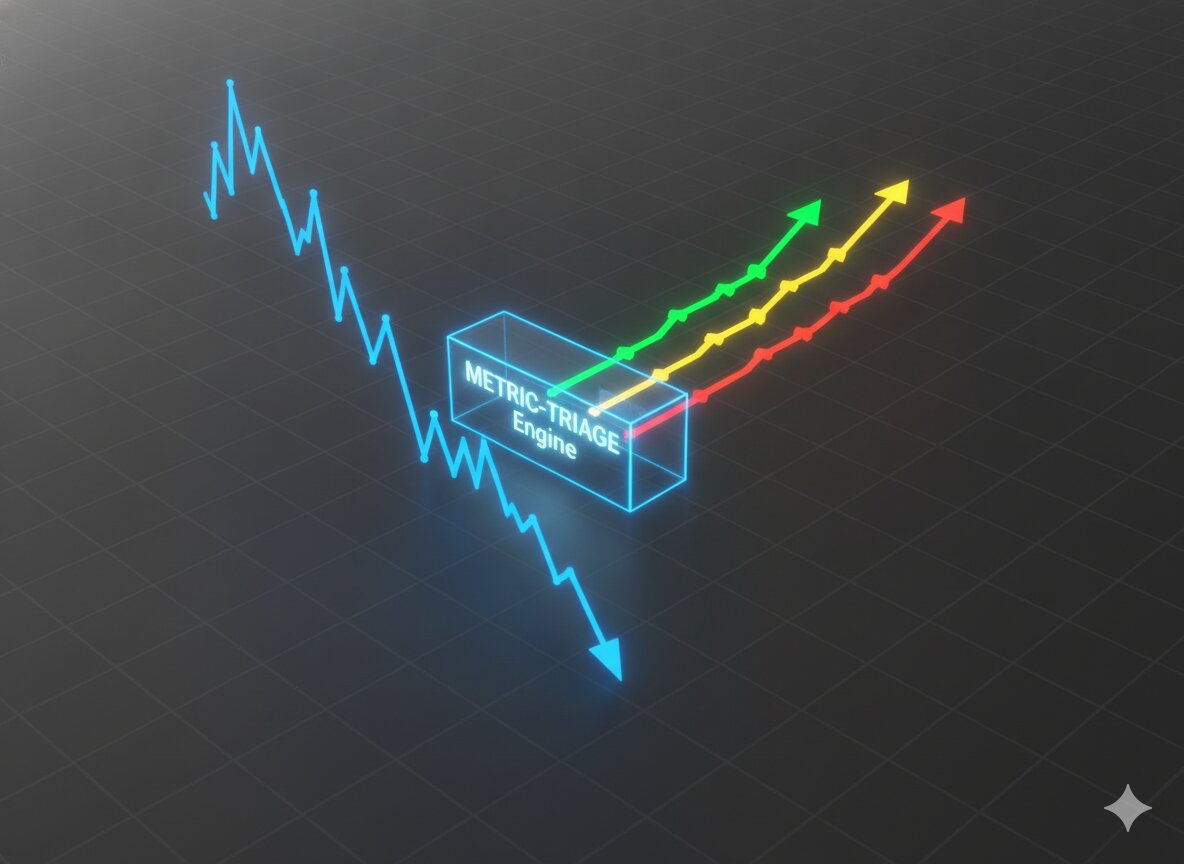
How to Handle a Dropping Metric: The "METRIC-TRIAGE" System Design Framework
How to Architect a Globally Scalable Financial Ledger System: The PM & TPM "LEDGER-BALANCE" Framework
How to Architect a Globally Scalable Real-Time Ad Bidding & Ad Tech Exchange: The PM & TPM "RTB-AUCTION" Framework
How to Architect a Globally Scalable Real-Time Recommendation Engine: The PM & TPM "RECO-MATRIX" Framework
How to Architect an Enterprise LLM Evaluation & Monitoring Pipeline: The PM & TPM "GUARD-RAIL" Framework
How to Design an Enterprise Agentic AI Workflow: The PM & TPM "ORCHESTRATE-AGENT" Framework
How to Architect an Enterprise Retrieval-Augmented Generation (RAG) Architecture: The PM & TPM "KNOWLEDGE-CORE" Framework

How to Architect a Globally Scalable Event-Driven Architecture: The PM & TPM "STREAM-FLOW" Framework
How to Manage Cache Invalidation and Consistency: The PM & TPM "CACHE-CLEAR" Framework
How to Manage Data Privacy and Cross-Border Transfers: The PM & TPM "DATA-BOUNDARY" Framework
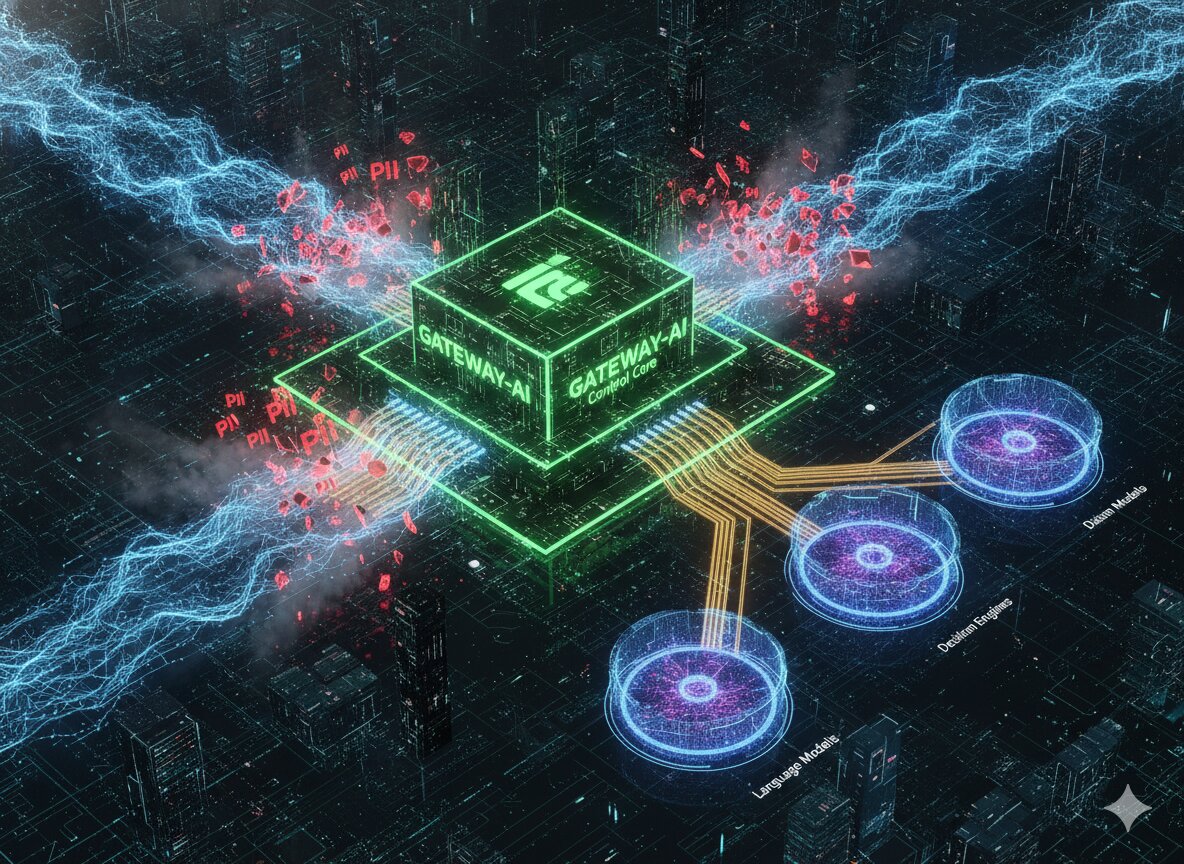
How to Design an Enterprise AI Orchestration Layer: The PM & TPM "GATEWAY-AI" Framework
How to Architect a High-Throughput API Gateway: The PM & TPM "GATE-KEEPER" Framework
How to Diagnose and Fix a Dropping Metric: The PM & TPM "METRIC-TRIAGE" Framework
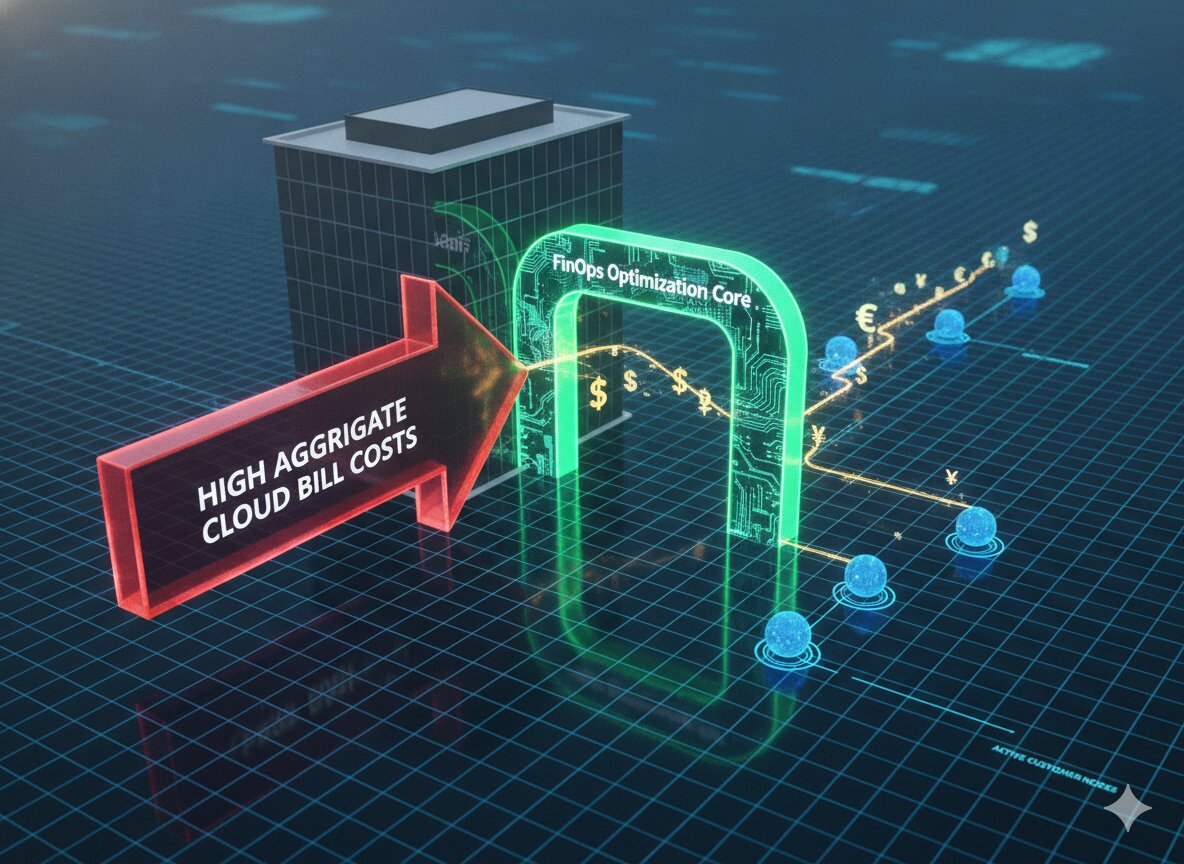
How to Optimize Cloud Infrastructure Unit Economics: The PM & TPM "FIN-SCALE" Framework
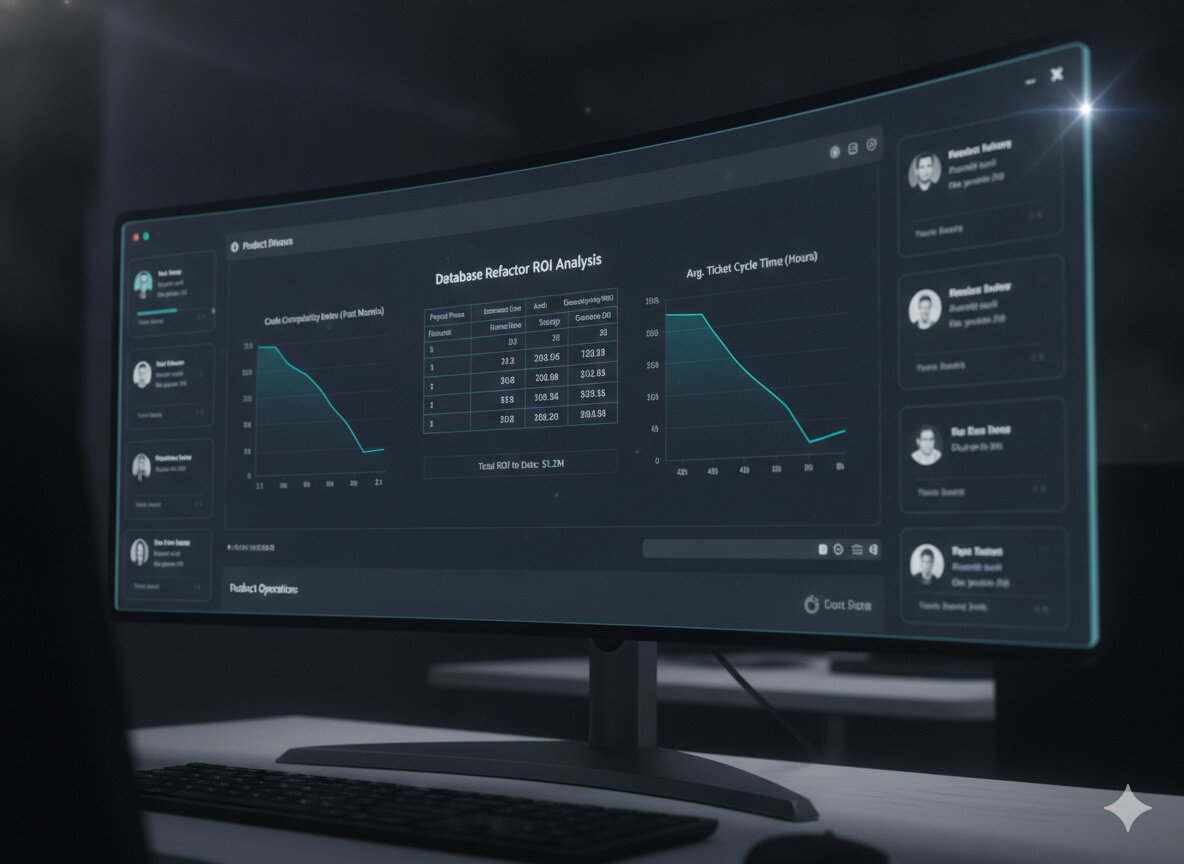
How to Manage Technical Debt and Refactoring Backlogs: The PM & TPM "PAY-DOWN" Framework
How to Coordinate Multi-Region Cloud Failovers: The PM & TPM "ZONE-DEFENSE" Framework
How to Orchestrate Massive API Deprecations Without Breaking Ecosystems: The PM & TPM "DECOUPLE-FLOW" Framework
How to Lead Large-Scale Corporate AI Transformations: The PM & TPM "CORE-INTEGRATE" Framework
How to Scale Infrastructure Upgrades Without Downtime: The PM & TPM "LIVE-MIGRATE" Framework
How to Architect an AI-Powered Quality Assurance & Release Engine: The PM & TPM "BUG-SHIELD" Framework
How to Formulate the Ultimate "Product-to-Engineering" Spec Engine: The PM & TPM "TECH-TRANSLATE" Framework
How to Leverage AI for Cross-Functional Product Alignment: The PM & TPM "SYNCHRONIZE" Framework
How to Build a Complete AI-Powered Agile Workflow: The PM & TPM "CORE-VELOCITY" Framework
How to Automate High-Friction Dependency Mapping and Jira Tracking: The "AUTO-TRACK" TPM Workflow
How to Handle a Critical API Rate Limiting and Service Degradation Crisis: The "THROTTLE-GUARD" Resilience Framework
How to Handle a High-Scale Database Crash During Peak Traffic: The "FAILOVER-SHIELD" Recovery Framework
How to Handle an Algorithmic Model Bias Crisis: The "ETHICAL-AUDIT" ML Governance Framework
How to Handle a Major Cloud Migration Failure: The "CLOUD-SAFETY" Rollback Framework
How to Handle a Major Technical Program Delay: The "RE-BASELINE" Schedule Recovery Framework
How to Handle a Database Sharding Migration: The "DATA-BALANCE" Scale Framework
How to Handle a Critical Third-Party API Sunset: The "DEPENDENCY-BUFFER" Integration Framework
How to Handle a Pricing Tier Change: The "PRICING-SHIELD" Revenue Framework
next How to Handle a Post-Launch Crisis: The "ROLL-BACK" Incident Management Framework
How to Handle a Critical API Migration: The "DECOUPLE-SAFE" Architecture Framework
How to Handle a Major System Outage: The "TRIAGE-SCALE" Technical Execution Framework
How to Resolve Cross-Functional Gridlock: The "BRIDGE-ALIGN" Trade-off Framework
How to Handle a Dropping Metric: The "DIG-DEEP" Root Cause Framework
How to Master the Behavioral Interview: The "STAR-GROWTH" Method
How to Lead a Product Launch: The "GTM-VELOCITY" Framework
How to Design a Product for the Next Billion Users: The "ADAPT-LIGHT" Framework
How to Negotiate Your Senior Tech Offer: The "VALUE-ANCHOR" Method
How to Master the Behavioral Interview: The "STAR-GROWTH" Method
How to Lead a Product Launch: The "GTM-VELOCITY" Framework
How to Design a Product from Scratch: The "EMPATHY-SCALE" Framework
How to Prioritize Features: The "RICE-VALUE" Framework
How to Design for the Next Billion Users: The "ADAPT-LIGHT" Framework
How to Build an AI-First Feature: The "RAG-EVAL" Framework
Move from a Monolith to Microservices: The "STRANGLE-SHIELD" Framework
How Do You Decide When to Build vs. Buy?: The "MOAT-LEVER" Framework
How Do You Handle a Conflict Between Engineering and Design?: The "TRIANGLE-TRADE" Framework
How Do You Manage a Delayed Project?: The "REALIGN-RECOVER" Framework
How Do You Design an API?: The "CONTRACT-FIRST" Framework
How Do You Prioritise a Roadmap?: The "ROI-ALIGN" Framework
How to Answer "Tell Me About a Time You Failed": The "PIVOT-OWN" Framework
How to Handle a Dropping Metric: The "SEGMENT-DRILL" Framework
The "Incentive-Alignment" Framework: Building in Web3
The "Value-Tradeoff" Framework: Mastering the Art of "No"
The "Cycle-Velocity" Framework: Building Viral Loops
The "Agentic-Utility" Framework: Building AI-First Features
The "Proxy-Experience" Framework: Mastering the Career Pivot
The "Throughput-Engine" Framework: Elite Productivity
The "Pause-Pivot" Framework: Leading the Room
The "Curated-Authority" Framework: Building Your Tech Brand
The "Throughput-First" Framework: Managing the Sprint
The "Segment-Drill" Framework: Winning with Data
The "Identity-Loop" Framework: Building the Community Moat
The "TTV" Framework: Mastering the First 5 Minutes
The "Red-Team" Framework: Building Ethical AI
The "Extensibility-First" Framework: Building the Ecosystem
The "Glocalization" Framework: Scaling Across Borders
The "PQL-Conversion" Framework: From User to Revenue
The "Phased-Velocity" Framework: Mastering the GTM
The "Win-Loss" Framework: Closing the Product-Market Gap
The "Post-Mortem" Framework: Institutionalizing Failure
The "Cognitive-Utility" Framework: Building AI-First
The "Product Health-Check" Framework: The First 30 Days
The "Moat-Mapping" Framework: Defending the Castle
The "Growth-Loop" Framework: Beyond the Marketing Funnel
The "Radical Clarity" Framework: Managing Underperformance
The "Proof of Work" Framework: Building a Career Magnet
The "Insight-Mining" Framework: High-Impact User Interviews
The "Executive-Pulse" Framework: High-Stakes Communication
The "Technical-Empathy" Framework: The Art of the 1:1
The "Elastic-Scale" Framework: Scaling from 1 to 100
The "Venture-Validation" Framework: Building from 0 to 1
The "Anchor & Lever" Framework: Negotiating $400k+ Total Comp (TC)
The "Asynchronous-First" Framework: Leading Distributed Teams
The "Value-Bridge" Framework: From Specialist to Strategist
The "Value-First AI" Framework: Integrating Intelligence Without the Gimmicks
The FAANG Interview Mastery Checklist: 10 Frameworks to Rule the Loop
The "Blueprint" Framework: Designing Scalable Systems

Transform Your Career with Our Complete Learning Solutions

Discover our diverse offerings, including expert-led courses, free training sessions, and personalized consultation services designed to help you master project management and advance your career with confidence.

FREE Training

Crack your next TPM Interview

From unravelling the intricacies of TPM/PM interview structures to mastering system design to discover the keys to navigating cross-functional collaboration, decoding top interview questions, and fine-tuning your resume and LinkedIn profile, including negotiation frameworks, networking strategies, and much more!

Register Now

Trusted by over 9,600 students

Course

30-Day TPM Masterclass

Expect early technical assessments, followed by a focus on strategic thinking, leadership capabilities, and a thorough evaluation of program management proficiency. From engaging self-guided exercises to comprehensive guides, frameworks, and sample answers, our TPM interview preparation covers it all, including practice lessons, updated content, and mock interviews.

Learn More

Trusted by over 9,600 students

Interview Prep Kit

Ultimate TPM Interview Prep Kit

Master TPM interview skills with this comprehensive guide covering system design, program management, and cross-functional collaboration.

Includes real-world scenarios, sample questions, and expert tips for success.

Learn More

Trusted by over 9,600 students

Interview Prep Guide

Complete PM Interview Guide

Master product design, strategy, and leadership with this all-in-one guide for Product Management interviews.

Gain confidence with actionable advice, real-world examples, and tailored mock questions to secure your next PM role.

Learn More

Trusted by over 9,600 students

Consulting

1-on-1 Interview Prep

1-on-1 Interview PreparationGet personalized guidance to ace your next interview with confidence. Our 1-on-1 interview preparation sessions focus on your unique strengths and areas for improvement. From tailored practice questions and feedback to mastering behavioral and technical responses, we ensure you're fully prepared to impress and secure your dream role.

Book a call

Trusted by over 9,600 students

Free Training

Unlock  Free Training

Get access to free training that reveals "How To crack your next TPM INTERVIEW In Just 30 Days!"

Gain exclusive access to expert-led training sessions designed to equip you with the skills, strategies, and confidence to excel in Technical Program Management.

Enroll now

Trusted by over 9,600 students