Expert Guidance on Navigating TPM Interviews for Entry-Level to Senior Roles

TPM interviews require different skill sets based on experience level, from foundational project management at the entry level to strategic leadership at senior levels. Understanding these key expectations will help you tailor your preparation effectively and stand out in the hiring process. Stay focused, keep refining your approach, and when in doubt—seek expert guidance from KRACD.com.

Introduction

Technical Program Manager (TPM) interviews vary significantly based on experience level. Whether you're an entry-level candidate, a mid-career professional, or targeting a senior TPM role, your preparation strategy must align with the expectations at each level.

This guide will break down key differences in TPM interviews across career stages, the skills you need to demonstrate, and how to tailor your responses to maximize success.

Before the Interview: Understanding TPM Expectations at Different Levels

1. TPM Career Levels and What Interviewers Expect

Entry-Level TPM (0-3 Years Experience)

Companies expect foundational technical knowledge, program management fundamentals, and strong communication skills.

Key Focus Areas:

  • Understanding software development lifecycle (SDLC) and Agile methodologies
  • Basic knowledge of system design, APIs, and cloud infrastructure
  • Ability to manage small projects and coordinate with engineers

Interview Example:

  • Explain how an API request flows through a web application.
  • How do you handle a project delay caused by unexpected technical issues?

Mid-Level TPM (3-7 Years Experience)

Candidates must demonstrate ownership of technical programs, risk management, and cross-functional leadership.

Key Focus Areas:

  • Driving end-to-end execution of medium to large-scale programs
  • Stronger system design and architecture knowledge
  • Managing dependencies across multiple teams
  • Handling risk mitigation and trade-offs

Interview Example:

  • How would you design a scalable task scheduling system?
  • Describe a time when you handled conflicting priorities across multiple teams.

Senior TPM (7+ Years Experience)

At this level, TPMs are expected to drive strategic initiatives, executive-level stakeholder management, and large-scale technical programs.

Key Focus Areas:

  • Leading enterprise-wide technical programs with high complexity
  • Defining organizational strategies and roadmaps
  • Navigating high-stakes stakeholder negotiations
  • Managing budgeting, resourcing, and long-term impact of programs

Interview Example:

  • How would you align multiple teams toward a long-term company-wide technical goal?
  • Describe a time you influenced executive leadership on a strategic program decision.

During the Interview: Key Areas to Focus On Based on Your Experience

2. Technical Depth vs. Program Execution

The technical depth required depends on the level of the TPM role.

  • Entry-Level: Basic understanding of system design, APIs, and cloud fundamentals
  • Mid-Level: Ability to architect solutions and discuss scalability, performance, and trade-offs
  • Senior-Level: Driving technical strategy across multiple teams and integrating complex systems

Example:

  • How would you design a distributed caching system for a high-traffic web application? (Mid/Senior-Level)
  • What are the key differences between monolithic and microservices architectures? (Entry/Mid-Level)

3. Program and Project Management Expectations

At each level, TPMs must demonstrate increasing complexity in execution skills.

  • Entry-Level: Managing project schedules, coordinating with engineers, and tracking progress.
  • Mid-Level: Identifying risks, balancing trade-offs, and handling cross-team dependencies.
  • Senior-Level: Driving business outcomes, optimizing resources, and aligning teams on strategic initiatives.

Example:

  • How do you handle scope creep in a technical program? (Mid/Senior-Level)
  • Describe a time you had to realign a project due to unexpected technical roadblocks. (Entry/Mid-Level)

4. Behavioral & Leadership Expectations

The soft skills required for TPM roles evolve as you advance.

  • Entry-Level: Demonstrating communication and collaboration skills.
  • Mid-Level: Showing proactive leadership and influencing stakeholders.
  • Senior-Level: Driving executive alignment and making strategic decisions.

Example:

  • Tell me about a time you had to influence a resistant stakeholder to move forward with a decision. (Mid/Senior-Level)
  • How do you ensure cross-functional teams stay aligned on a shared goal? (Mid/Senior-Level)

After the Interview: Evaluating Performance and Next Steps

5. Self-Assessment: Did You Meet the Expectations for Your Level?

After the interview, reflect on:

  • Were your answers structured and aligned with the role's scope?
  • Did you demonstrate leadership appropriate to your experience level?
  • Were your technical explanations clear and well-reasoned?

If you struggled with technical questions, refine your system design and architecture knowledge.
If program execution questions were tough, practice answering real-world TPM scenarios.

6. Follow-Up with a Strong Email

Send a thank-you email highlighting:

  • Your excitement for the role
  • A recap of key discussion points
  • Your unique strengths and fit for the company

Example:
"I appreciate the opportunity to discuss how TPMs at [Company] drive large-scale programs. I particularly enjoyed our conversation about [specific topic]. Looking forward to next steps."

Get Expert-Led TPM Interview Training with KRACD.com

Preparing for TPM interviews at different levels requires targeted strategies and expert feedback. KRACD.com offers:

  • Mock interviews tailored for entry-level, mid-level, and senior TPMs
  • Advanced system design and program execution training
  • One-on-one coaching from experienced TPM professionals

Accelerate your career growth and ace your TPM interview with KRACD.com.

Conclusion

TPM interviews require different skill sets based on experience level, from foundational project management at the entry level to strategic leadership at senior levels. Understanding these key expectations will help you tailor your preparation effectively and stand out in the hiring process.

Stay focused, keep refining your approach, and when in doubt—seek expert guidance from KRACD.com.

FAQs

1. How should an entry-level TPM prepare for interviews?
Focus on understanding technical fundamentals, program management basics, and effective communication.

2. What differentiates mid-level and senior TPMs in interviews?
Mid-level TPMs focus on cross-team execution, while senior TPMs are evaluated on long-term strategy and executive influence.

3. Do TPMs at all levels need strong technical skills?
Yes, but the depth varies. Entry-level TPMs need foundational knowledge, while senior TPMs must navigate technical trade-offs across large programs.

4. What’s the biggest challenge in TPM interviews at senior levels?
Handling ambiguity, aligning multiple teams, and influencing leadership on large-scale technical initiatives.

5. Can KRACD.com help with TPM interview preparation?
Yes. KRACD.com provides customized training, mock interviews, and expert coaching to help you succeed at any TPM level.
Read more blogs

How to Deploy and Validate a New AI Model: The "SAFE-ROLLOUT" Testing Framework
How to Manage a High-Stakes Project Slip: The "SCOPE-ALIGNED" Mitigation Framework
How to Handle an AI Model Regression: The "MODEL-VALIDATE" Diagnostic Framework
Tell Me About a Time You Failed: The "BOUNCE-BACK" Behavioral Framework
How to Handle a Dropping Metric: The "ROOT-CAUSE" Analytical Framework
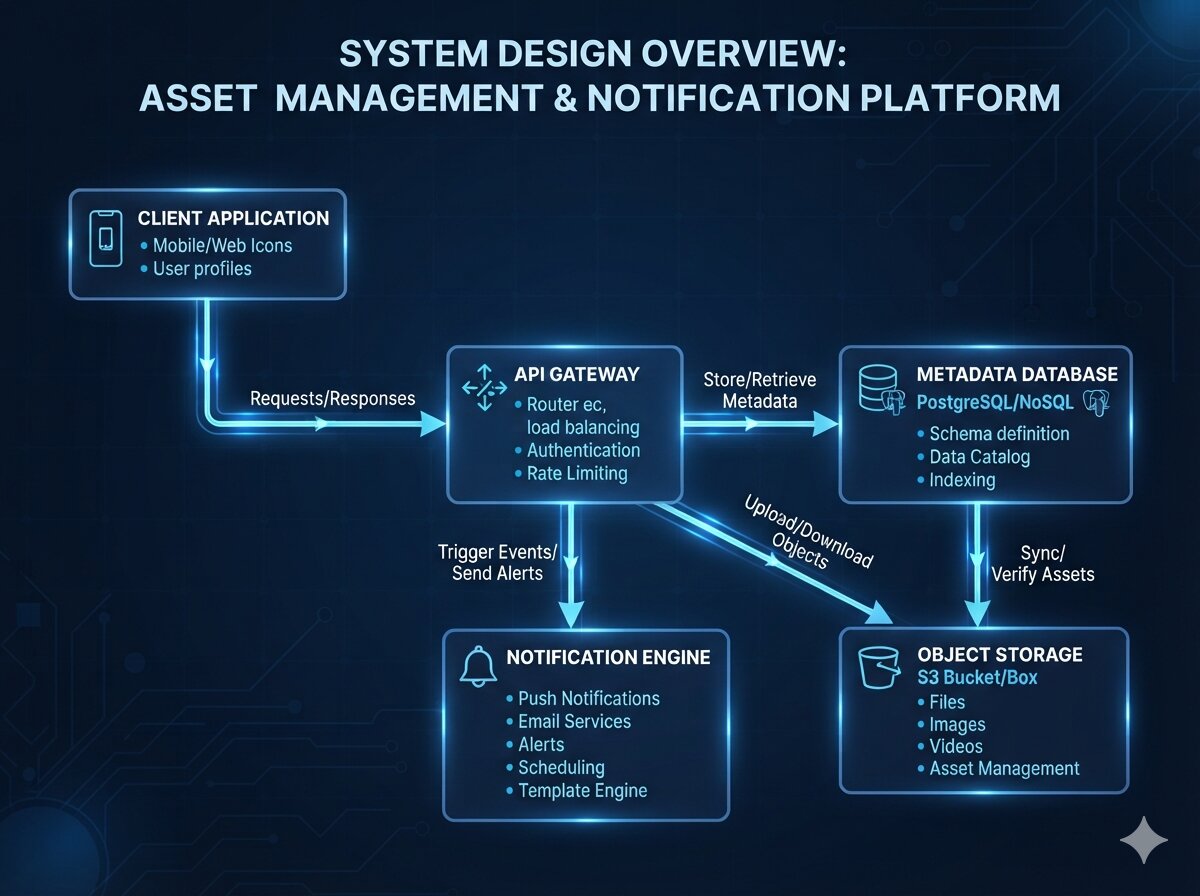
How to Architect a Globally Scalable Notification Engine: The "FAN-OUT" Priority Delivery Framework
How to Architect an Enterprise-Grade Vector Search Engine: The "VECTOR-SHARD" Data Framework
How to Architect a High-Concurrency API Gateway: The "GATE-KEEPER" Edge Routing Framework
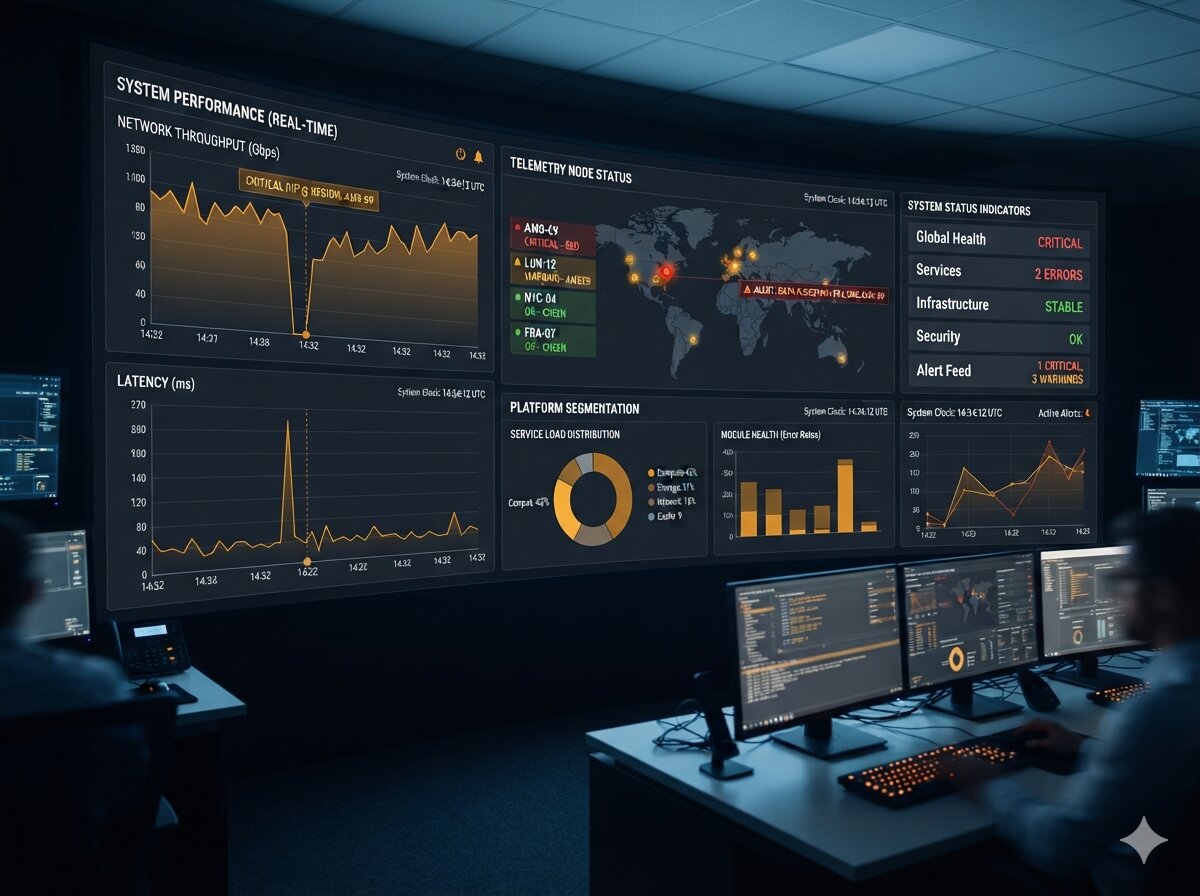
How to Architect a Distributed Telemetry & Logging System: The "TRACE-STREAM" Observability Framework
How to Architect an Enterprise LLM Deployment: The "RAG-OPS" Production Scale Framework
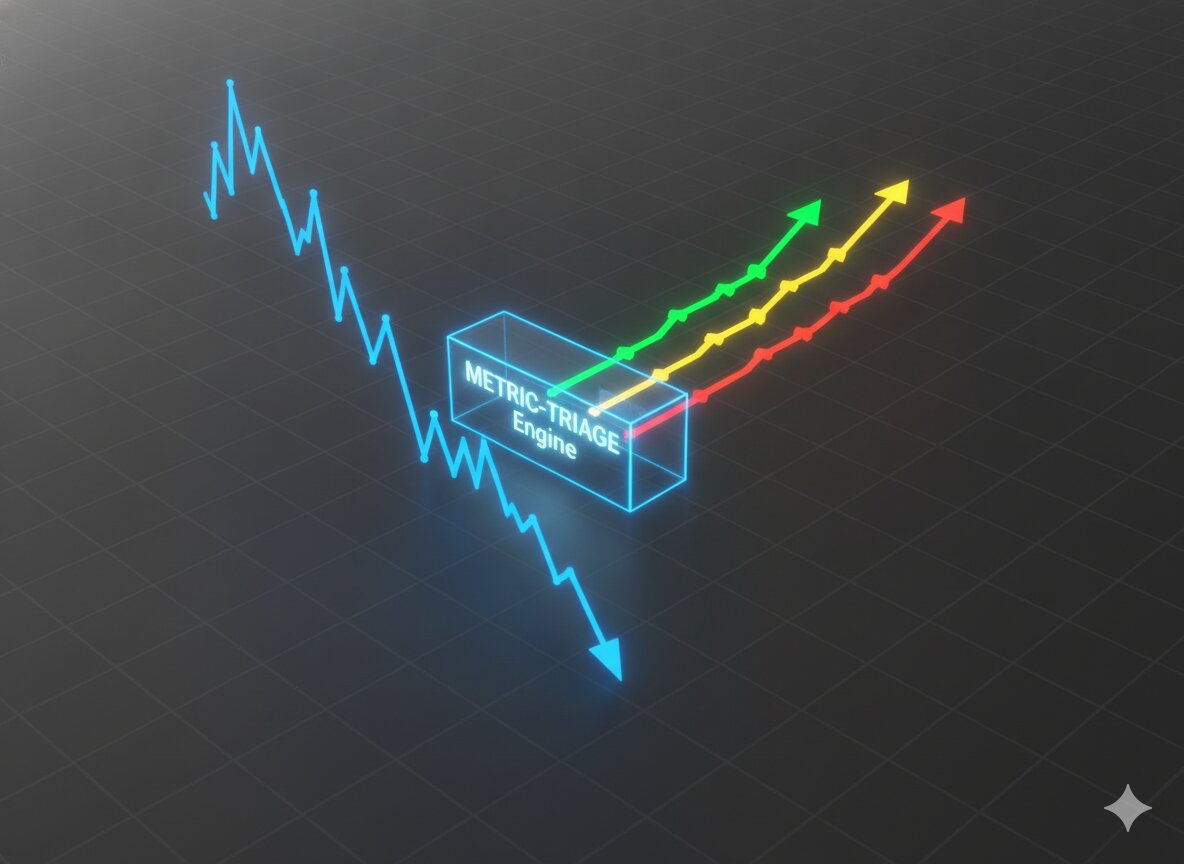
How to Handle a Dropping Metric: The "METRIC-TRIAGE" System Design Framework
How to Architect a Globally Scalable Financial Ledger System: The PM & TPM "LEDGER-BALANCE" Framework
How to Architect a Globally Scalable Real-Time Ad Bidding & Ad Tech Exchange: The PM & TPM "RTB-AUCTION" Framework
How to Architect a Globally Scalable Real-Time Recommendation Engine: The PM & TPM "RECO-MATRIX" Framework
How to Architect an Enterprise LLM Evaluation & Monitoring Pipeline: The PM & TPM "GUARD-RAIL" Framework
How to Design an Enterprise Agentic AI Workflow: The PM & TPM "ORCHESTRATE-AGENT" Framework
How to Architect an Enterprise Retrieval-Augmented Generation (RAG) Architecture: The PM & TPM "KNOWLEDGE-CORE" Framework

How to Architect a Globally Scalable Event-Driven Architecture: The PM & TPM "STREAM-FLOW" Framework
How to Manage Cache Invalidation and Consistency: The PM & TPM "CACHE-CLEAR" Framework
How to Manage Data Privacy and Cross-Border Transfers: The PM & TPM "DATA-BOUNDARY" Framework
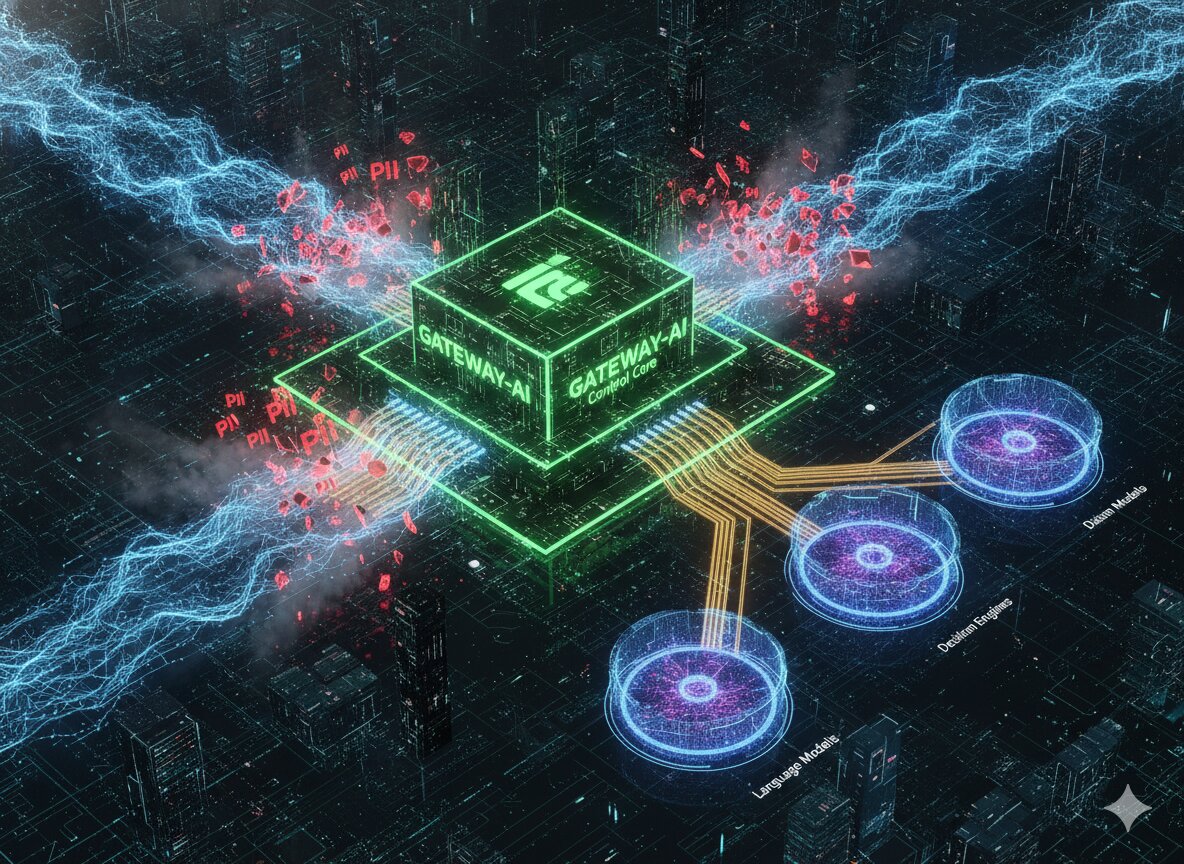
How to Design an Enterprise AI Orchestration Layer: The PM & TPM "GATEWAY-AI" Framework
How to Architect a High-Throughput API Gateway: The PM & TPM "GATE-KEEPER" Framework
How to Diagnose and Fix a Dropping Metric: The PM & TPM "METRIC-TRIAGE" Framework
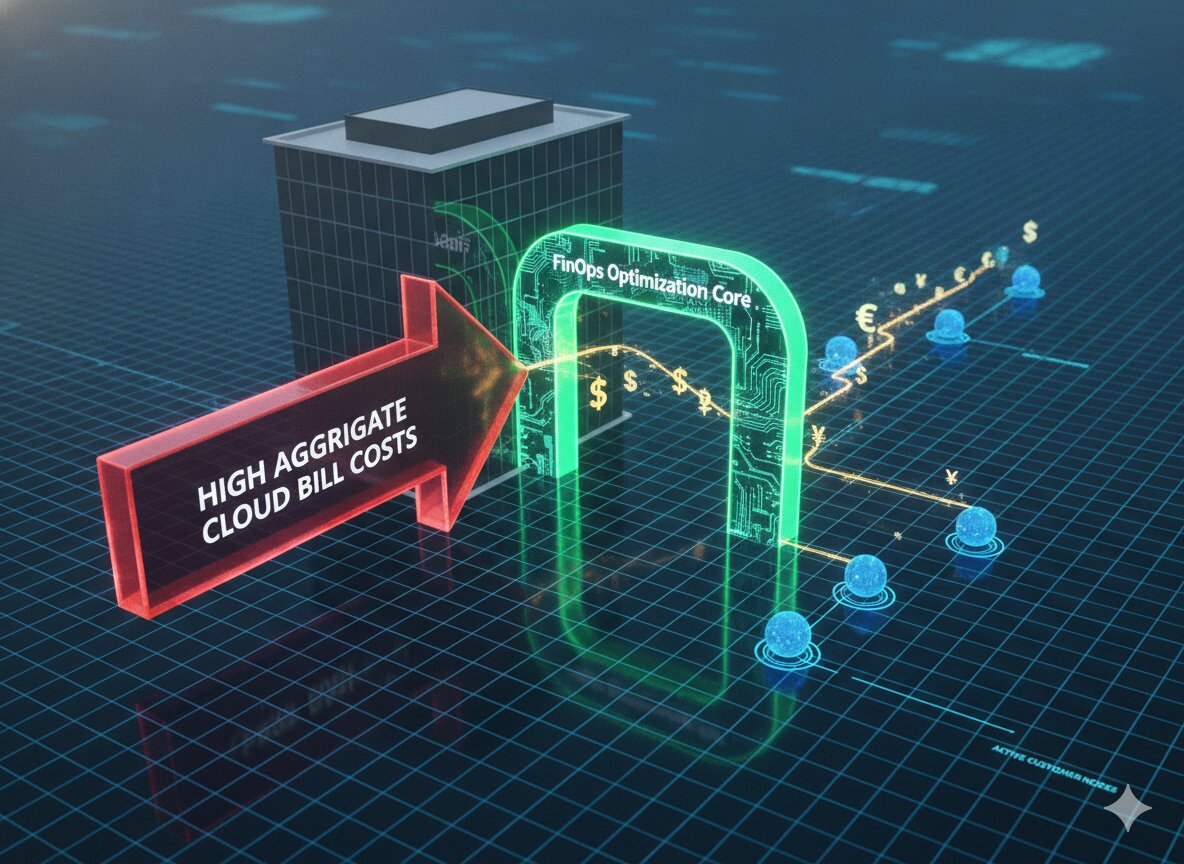
How to Optimize Cloud Infrastructure Unit Economics: The PM & TPM "FIN-SCALE" Framework
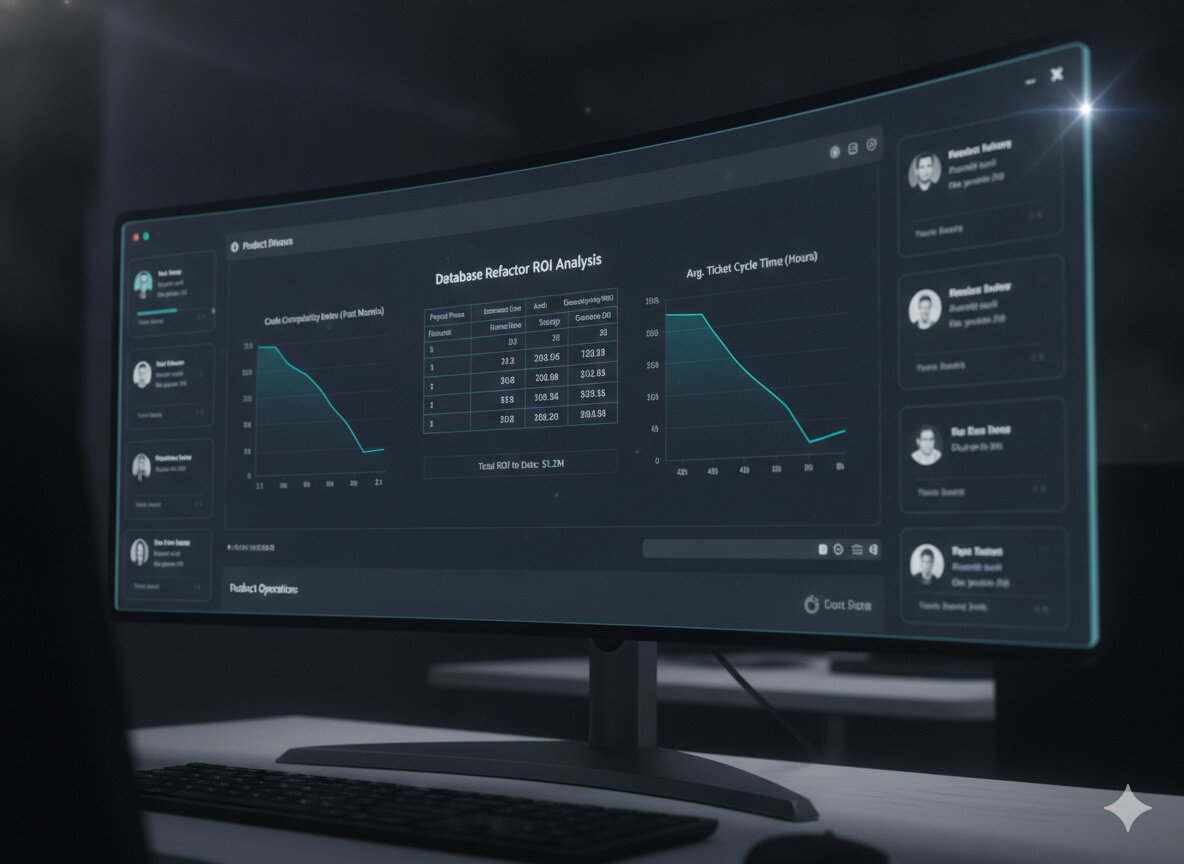
How to Manage Technical Debt and Refactoring Backlogs: The PM & TPM "PAY-DOWN" Framework
How to Coordinate Multi-Region Cloud Failovers: The PM & TPM "ZONE-DEFENSE" Framework
How to Orchestrate Massive API Deprecations Without Breaking Ecosystems: The PM & TPM "DECOUPLE-FLOW" Framework
How to Lead Large-Scale Corporate AI Transformations: The PM & TPM "CORE-INTEGRATE" Framework
How to Scale Infrastructure Upgrades Without Downtime: The PM & TPM "LIVE-MIGRATE" Framework
How to Architect an AI-Powered Quality Assurance & Release Engine: The PM & TPM "BUG-SHIELD" Framework
How to Formulate the Ultimate "Product-to-Engineering" Spec Engine: The PM & TPM "TECH-TRANSLATE" Framework
How to Leverage AI for Cross-Functional Product Alignment: The PM & TPM "SYNCHRONIZE" Framework
How to Build a Complete AI-Powered Agile Workflow: The PM & TPM "CORE-VELOCITY" Framework
How to Automate High-Friction Dependency Mapping and Jira Tracking: The "AUTO-TRACK" TPM Workflow
How to Handle a Critical API Rate Limiting and Service Degradation Crisis: The "THROTTLE-GUARD" Resilience Framework
How to Handle a High-Scale Database Crash During Peak Traffic: The "FAILOVER-SHIELD" Recovery Framework
How to Handle an Algorithmic Model Bias Crisis: The "ETHICAL-AUDIT" ML Governance Framework
How to Handle a Major Cloud Migration Failure: The "CLOUD-SAFETY" Rollback Framework
How to Handle a Major Technical Program Delay: The "RE-BASELINE" Schedule Recovery Framework
How to Handle a Database Sharding Migration: The "DATA-BALANCE" Scale Framework
How to Handle a Critical Third-Party API Sunset: The "DEPENDENCY-BUFFER" Integration Framework
How to Handle a Pricing Tier Change: The "PRICING-SHIELD" Revenue Framework
next How to Handle a Post-Launch Crisis: The "ROLL-BACK" Incident Management Framework
How to Handle a Critical API Migration: The "DECOUPLE-SAFE" Architecture Framework
How to Handle a Major System Outage: The "TRIAGE-SCALE" Technical Execution Framework
How to Resolve Cross-Functional Gridlock: The "BRIDGE-ALIGN" Trade-off Framework
How to Handle a Dropping Metric: The "DIG-DEEP" Root Cause Framework
How to Master the Behavioral Interview: The "STAR-GROWTH" Method
How to Lead a Product Launch: The "GTM-VELOCITY" Framework
How to Design a Product for the Next Billion Users: The "ADAPT-LIGHT" Framework
How to Negotiate Your Senior Tech Offer: The "VALUE-ANCHOR" Method
How to Master the Behavioral Interview: The "STAR-GROWTH" Method
How to Lead a Product Launch: The "GTM-VELOCITY" Framework
How to Design a Product from Scratch: The "EMPATHY-SCALE" Framework
How to Prioritize Features: The "RICE-VALUE" Framework
How to Design for the Next Billion Users: The "ADAPT-LIGHT" Framework
How to Build an AI-First Feature: The "RAG-EVAL" Framework
Move from a Monolith to Microservices: The "STRANGLE-SHIELD" Framework
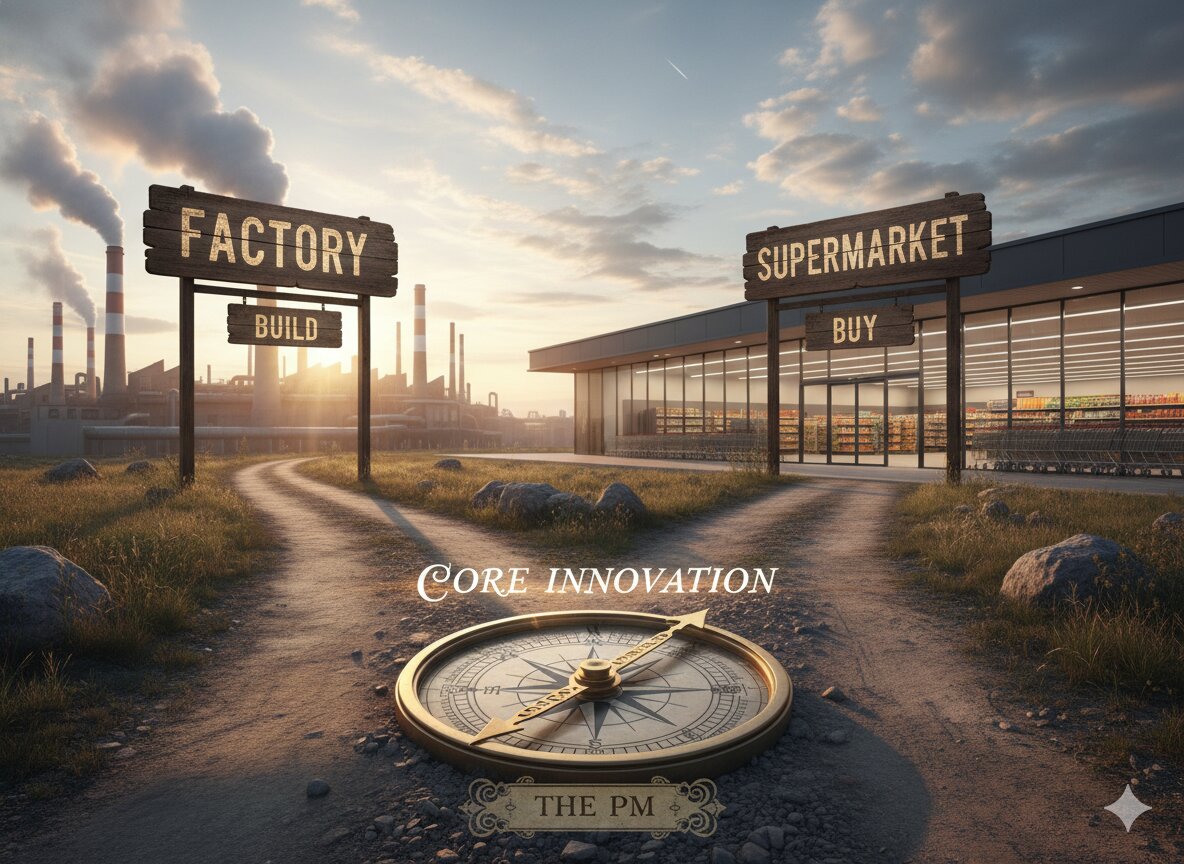
How Do You Decide When to Build vs. Buy?: The "MOAT-LEVER" Framework
How Do You Handle a Conflict Between Engineering and Design?: The "TRIANGLE-TRADE" Framework
How Do You Manage a Delayed Project?: The "REALIGN-RECOVER" Framework
How Do You Design an API?: The "CONTRACT-FIRST" Framework
How Do You Prioritise a Roadmap?: The "ROI-ALIGN" Framework
How to Answer "Tell Me About a Time You Failed": The "PIVOT-OWN" Framework
How to Handle a Dropping Metric: The "SEGMENT-DRILL" Framework
The "Incentive-Alignment" Framework: Building in Web3
The "Value-Tradeoff" Framework: Mastering the Art of "No"
The "Cycle-Velocity" Framework: Building Viral Loops
The "Agentic-Utility" Framework: Building AI-First Features
The "Proxy-Experience" Framework: Mastering the Career Pivot
The "Throughput-Engine" Framework: Elite Productivity
The "Pause-Pivot" Framework: Leading the Room
The "Curated-Authority" Framework: Building Your Tech Brand
The "Throughput-First" Framework: Managing the Sprint
The "Segment-Drill" Framework: Winning with Data
The "Identity-Loop" Framework: Building the Community Moat
The "TTV" Framework: Mastering the First 5 Minutes
The "Red-Team" Framework: Building Ethical AI
The "Extensibility-First" Framework: Building the Ecosystem
The "Glocalization" Framework: Scaling Across Borders
The "PQL-Conversion" Framework: From User to Revenue
The "Phased-Velocity" Framework: Mastering the GTM
The "Win-Loss" Framework: Closing the Product-Market Gap
The "Post-Mortem" Framework: Institutionalizing Failure
The "Cognitive-Utility" Framework: Building AI-First
The "Product Health-Check" Framework: The First 30 Days
The "Moat-Mapping" Framework: Defending the Castle
The "Growth-Loop" Framework: Beyond the Marketing Funnel
The "Radical Clarity" Framework: Managing Underperformance
The "Proof of Work" Framework: Building a Career Magnet
The "Insight-Mining" Framework: High-Impact User Interviews
The "Executive-Pulse" Framework: High-Stakes Communication
The "Technical-Empathy" Framework: The Art of the 1:1
The "Elastic-Scale" Framework: Scaling from 1 to 100
The "Venture-Validation" Framework: Building from 0 to 1
The "Anchor & Lever" Framework: Negotiating $400k+ Total Comp (TC)
The "Asynchronous-First" Framework: Leading Distributed Teams
The "Value-Bridge" Framework: From Specialist to Strategist
The "Value-First AI" Framework: Integrating Intelligence Without the Gimmicks
The FAANG Interview Mastery Checklist: 10 Frameworks to Rule the Loop

Transform Your Career with Our Complete Learning Solutions

Discover our diverse offerings, including expert-led courses, free training sessions, and personalized consultation services designed to help you master project management and advance your career with confidence.

FREE Training

Crack your next TPM Interview

From unravelling the intricacies of TPM/PM interview structures to mastering system design to discover the keys to navigating cross-functional collaboration, decoding top interview questions, and fine-tuning your resume and LinkedIn profile, including negotiation frameworks, networking strategies, and much more!

Register Now

Trusted by over 9,600 students

Course

30-Day TPM Masterclass

Expect early technical assessments, followed by a focus on strategic thinking, leadership capabilities, and a thorough evaluation of program management proficiency. From engaging self-guided exercises to comprehensive guides, frameworks, and sample answers, our TPM interview preparation covers it all, including practice lessons, updated content, and mock interviews.

Learn More

Trusted by over 9,600 students

Interview Prep Kit

Ultimate TPM Interview Prep Kit

Master TPM interview skills with this comprehensive guide covering system design, program management, and cross-functional collaboration.

Includes real-world scenarios, sample questions, and expert tips for success.

Learn More

Trusted by over 9,600 students

Interview Prep Guide

Complete PM Interview Guide

Master product design, strategy, and leadership with this all-in-one guide for Product Management interviews.

Gain confidence with actionable advice, real-world examples, and tailored mock questions to secure your next PM role.

Learn More

Trusted by over 9,600 students

Consulting

1-on-1 Interview Prep

1-on-1 Interview PreparationGet personalized guidance to ace your next interview with confidence. Our 1-on-1 interview preparation sessions focus on your unique strengths and areas for improvement. From tailored practice questions and feedback to mastering behavioral and technical responses, we ensure you're fully prepared to impress and secure your dream role.

Book a call

Trusted by over 9,600 students

Free Training

Unlock  Free Training

Get access to free training that reveals "How To crack your next TPM INTERVIEW In Just 30 Days!"

Gain exclusive access to expert-led training sessions designed to equip you with the skills, strategies, and confidence to excel in Technical Program Management.

Enroll now

Trusted by over 9,600 students