The Failure Trap
Most candidates answer by saying, "I worked harder next time" or "We communicated better." Stop. These are "Individual" fixes. A Post-Mortem is about Process fixes. If a human made a mistake, the system allowed that mistake to happen. Your goal is to fix the system.
The Core Framework: The "3-D" Root Cause Analysis
1. Data (The "What" happened)
Strip away the emotions and the blame. Look at the timeline and the metrics.
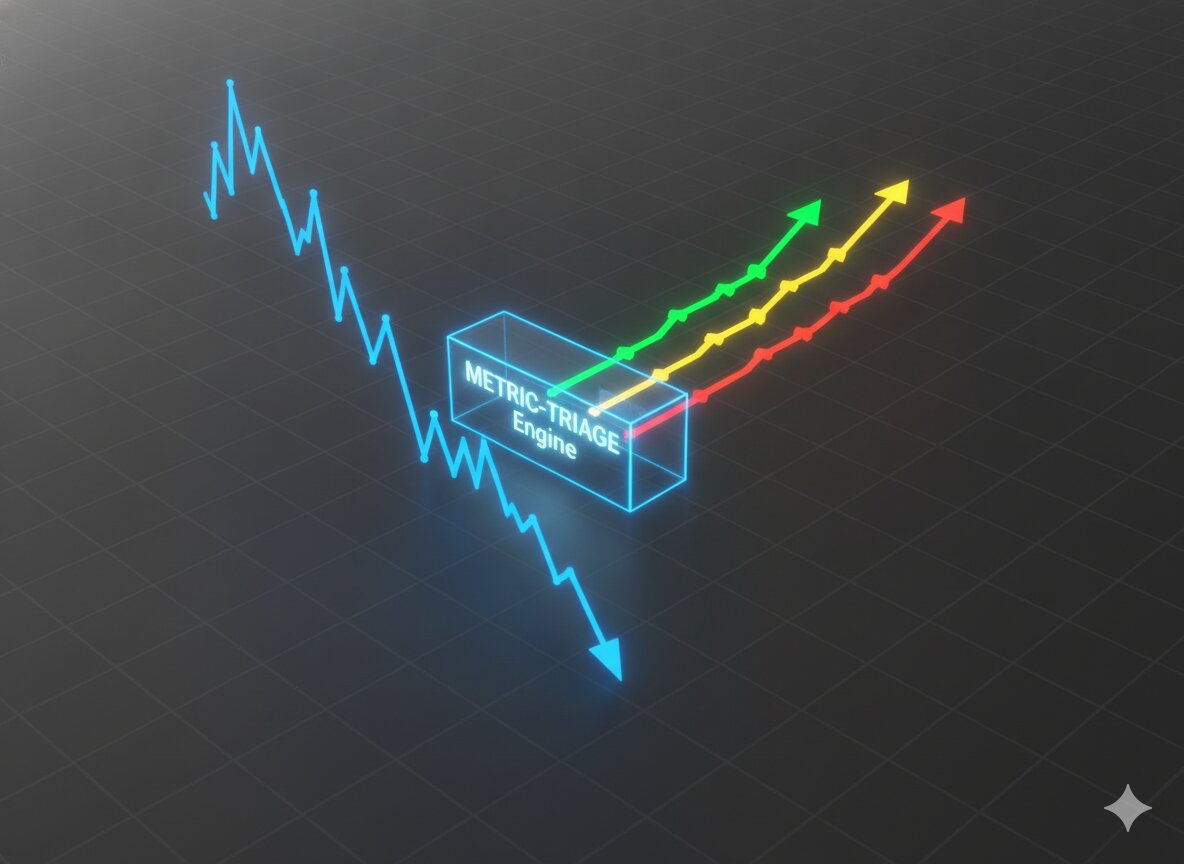
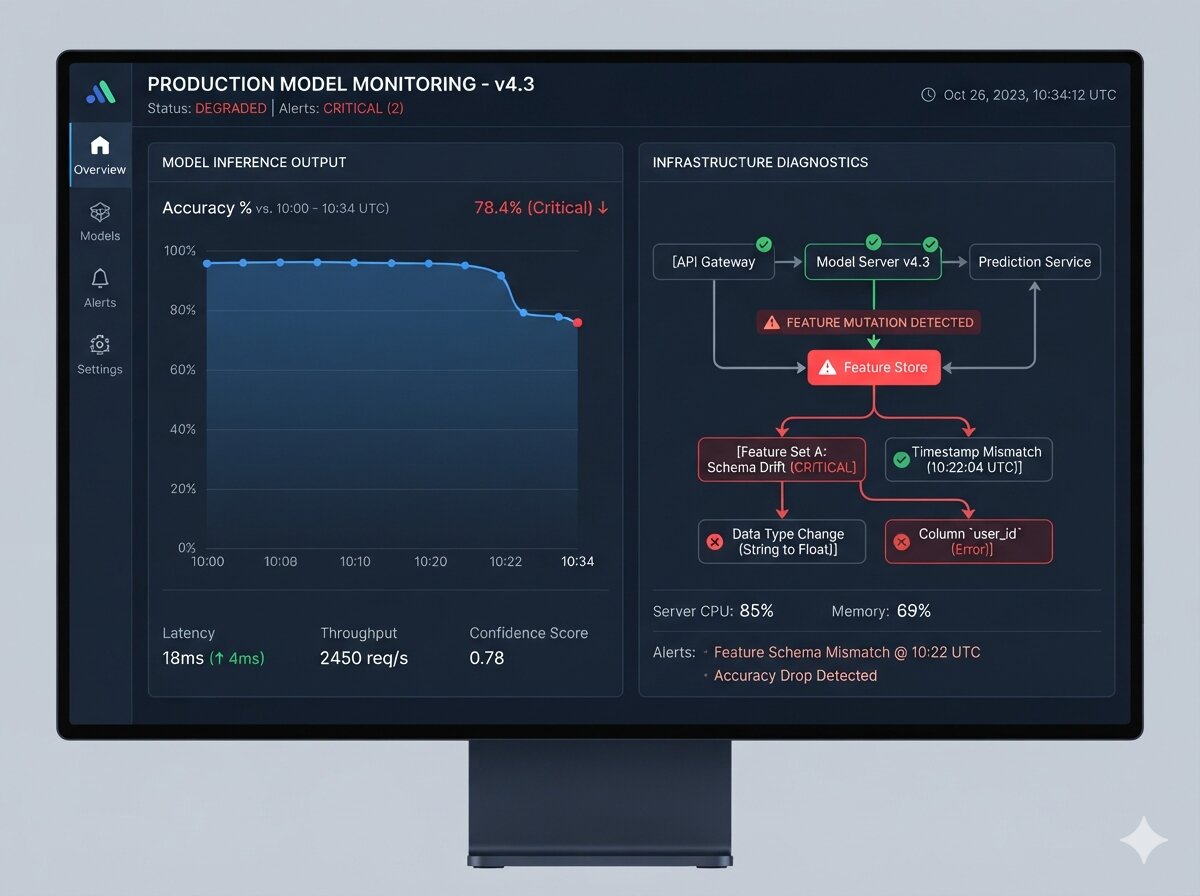
- The Soundbite: "On Tuesday, our conversion rate dropped by 60% following the v2.1 deployment. We didn't just 'make a mistake'; our automated canary testing failed to catch a latent database latency issue that only triggered at scale."
2. Diagnosis (The "Why" it happened)
Use the "5 Whys" technique. Don't stop at "The engineer forgot to check." Ask why the process allowed them to forget.
- The Strategy: Identify the Root Cause.
- The Soundbite: "The root cause wasn't the code; it was our 'Incentive Structure.' We were optimizing for 'Speed of Delivery' over 'System Stability,' which led the team to skip the staging environment for 'minor' patches."
3. Delivery (The "Action" items)
What specific, measurable changes are you making to ensure this never happens again?
- The Tactics: Build "Guardrails," not "Guidelines."
- The Soundbite: "We've implemented a 'Hard-Stop' in the CI/CD pipeline. No deployment can bypass the staging environment without a VP-level override. We've also added 'Synthetic Monitoring' that alerts us to latency shifts before they hit the user."
The "Blame" CultureThe "Blameless" Post-MortemFocuses on "Who did it?"Focuses on "How did the system fail?"Punishes the individual.Improves the Automation and Process.Hides the failure to "save face."Shares the Learnings across the entire org.
Turn Your Scars into Strengths
In a Staff or Principal interview at Google or Stripe, a well-told "Failure Story" is more valuable than a success story. It proves you have the Resilience and the Analytical Rigor to lead through a crisis.
Our kits give you the "Post-Mortem Templates" and "Incident Response Scripts" used by SRE and Product teams at the world's most reliable companies.
- For PMs: Manage stakeholder expectations during a crisis with the PM Prep Guide.
- For TPMs: Lead the technical post-mortem and remediation with the TPM Prep Kit.
FAQs
Q: Should I admit to a mistake that was 100% my fault?
A: Yes, but keep it professional. "I misjudged the market demand for X. I relied on 'Stated Intent' rather than 'Actual Usage' data. Here is how I changed our discovery process to avoid that bias in the future."
Q: How do I handle a "Public" failure (like a social media backlash)?
A: Be transparent and fast. Acknowledge the issue, explain the fix, and—most importantly—Close the Loop with your users once the fix is live.
Q: Who should attend the Post-Mortem meeting?
A: Everyone involved in the "Blast Radius." Engineering, Product, Design, and even Customer Support. The goal is a 360-degree view of the impact.




















.jpg)