The Competitive Trap
Most candidates suggest "matching the feature" or "dropping the price." Stop. This leads to a "Race to the Bottom." A feature is not a strategy. To win, you must identify why users stay with you even when a competitor is cheaper or shinier.
The Core Framework: The "4-Pillar" Defense
1. Switching Costs (The "Sticky" Factor)
How hard is it for a user to leave?
- The Soundbite: "I don't look at their features; I look at our integration depth. If a user has all their historical data and custom workflows in our tool, a 'feature clone' isn't enough to make them move. We should double down on making data portability harder and integration value higher."
2. Network Effects (The "Gravity" Factor)
Does our product get better as more people use it?
- The Strategy: If we have a social or marketplace component, the competitor can't clone the Community.
- The Soundbite: "They can copy our UI, but they can't copy our 10,000 active developers. I’d focus our response on strengthening the community-led aspects of our platform that a newcomer can't buy."
3. Proprietary Data (The "Intelligence" Factor)
What do we know that they don't?
- The Tactics: Use your historical data to power better AI/ML features that a "Day 1" competitor simply doesn't have the training data for.
4. Brand & Emotional Trust (The "Intangible" Factor)
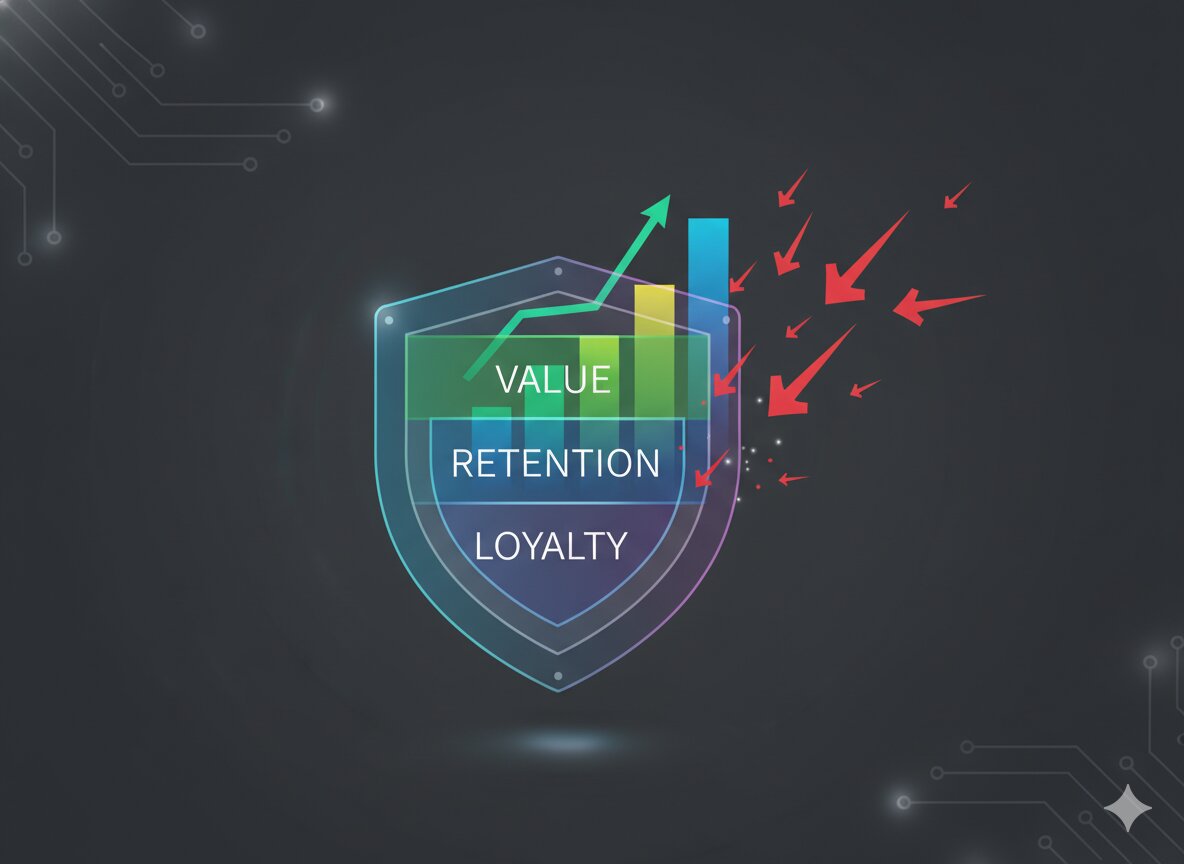
- The Soundbite: "In a world of AI clones, brand trust is a functional requirement. I’d recommend we lead our response with a 'Values-First' campaign, emphasizing our security track record and mission, which the competitor hasn't earned yet."
The "Reactive" PM (Feature-Chaser)The "Strategic" PM (Moat-Builder)Asks: "How can we copy them faster?"Asks: "What is our unfair advantage?"Competes on Price and Speed.Competes on Ecosystem and Trust.Focuses on the "New Shiny Thing."Focuses on Long-term Retention.
Defend Your Market Share
Competitive pressure is the ultimate test of a PM’s conviction. You need to prove you can stay calm when the "Big Player" enters your niche.
Our kits give you the "Competitive Deep-Dive Templates" and "Moat-Analysis Rubrics" used by strategy teams at Google and Apple.
- For PMs: Protect your product’s future with the PM Prep Guide.
- For TPMs: Build "Hard-to-Clone" technical moats with the TPM Prep Kit.
FAQs
Q: What if the competitor is a "Big Tech" giant (e.g., Google/Amazon)?
A: Don't compete on scale; compete on Focus. A giant has to build for everyone; you can win by building "Perfectly" for a specific segment.
Q: Should we ever ignore a competitor?
A: Yes. If their growth is coming from a segment you don't care about (e.g., "Low-value/High-churn users"), let them have it. Don't let a "Bad Competitor" dictate your "Good Strategy."
Q: How do I track competitors without getting distracted?
A: Use a "Tiering System." Tier 1 (Direct threats), Tier 2 (Adjacent players), Tier 3 (Future threats). Only change your roadmap for Tier 1 moves that threaten your core value.





















.jpg)