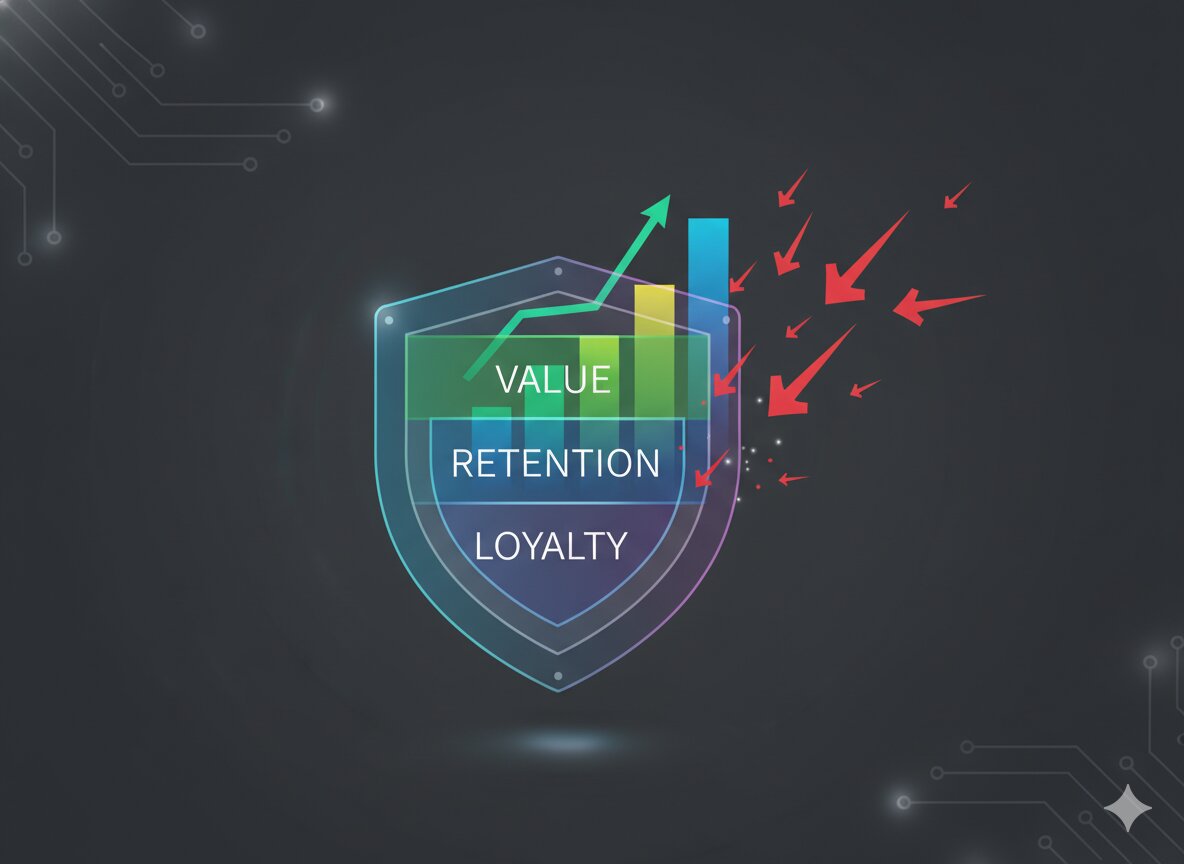
The Scaling Trap
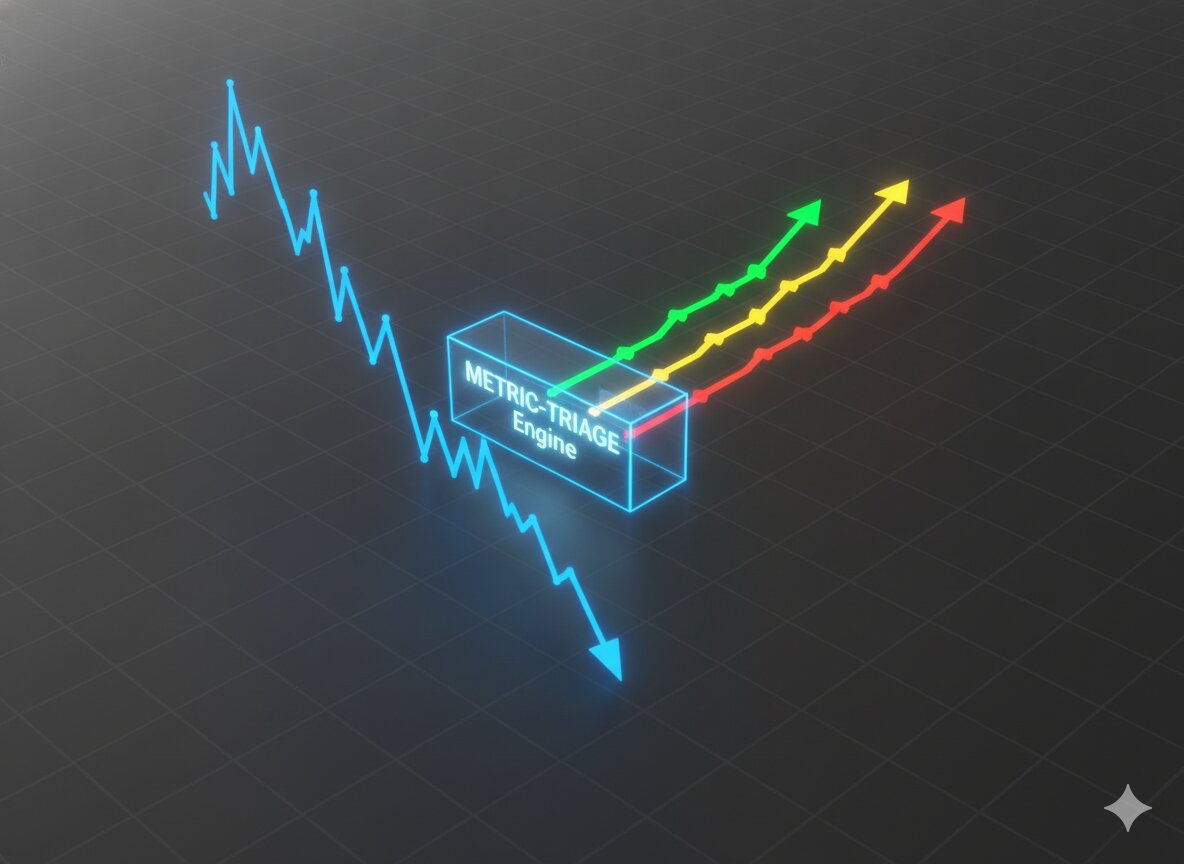
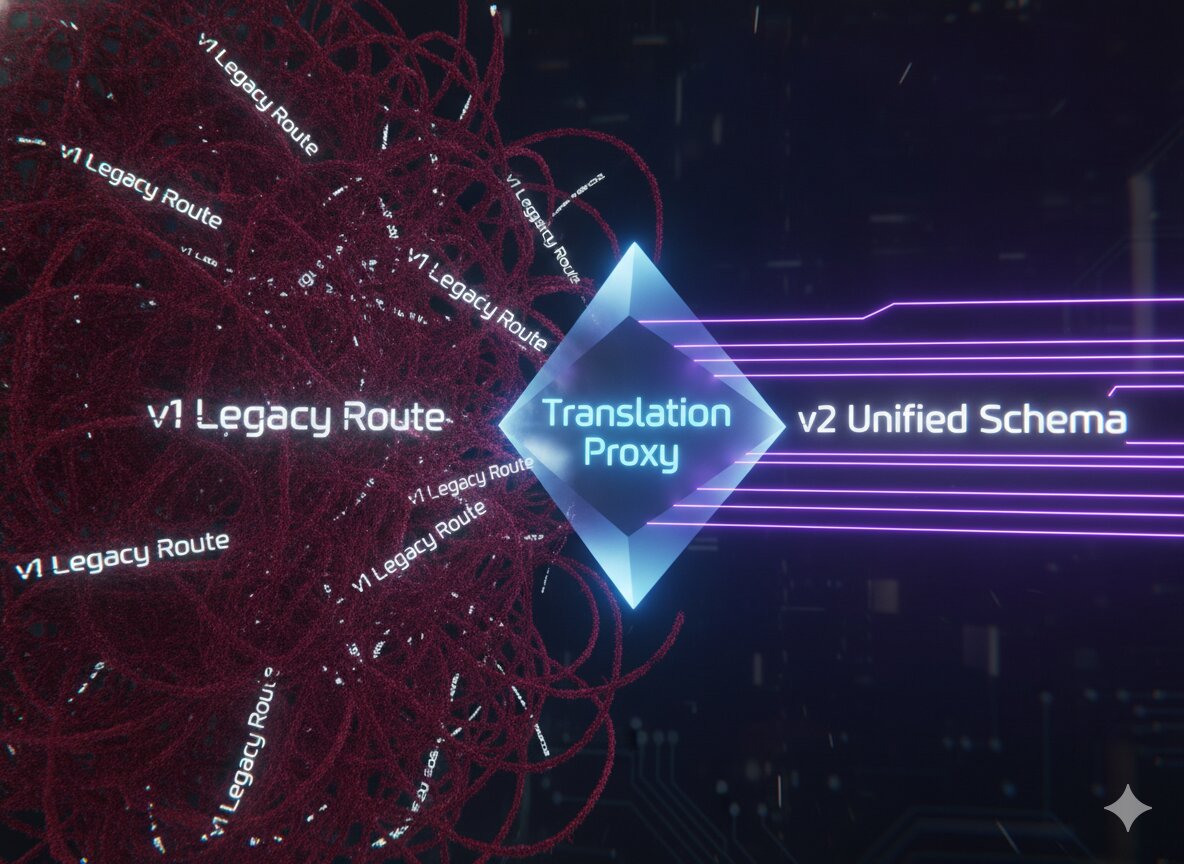
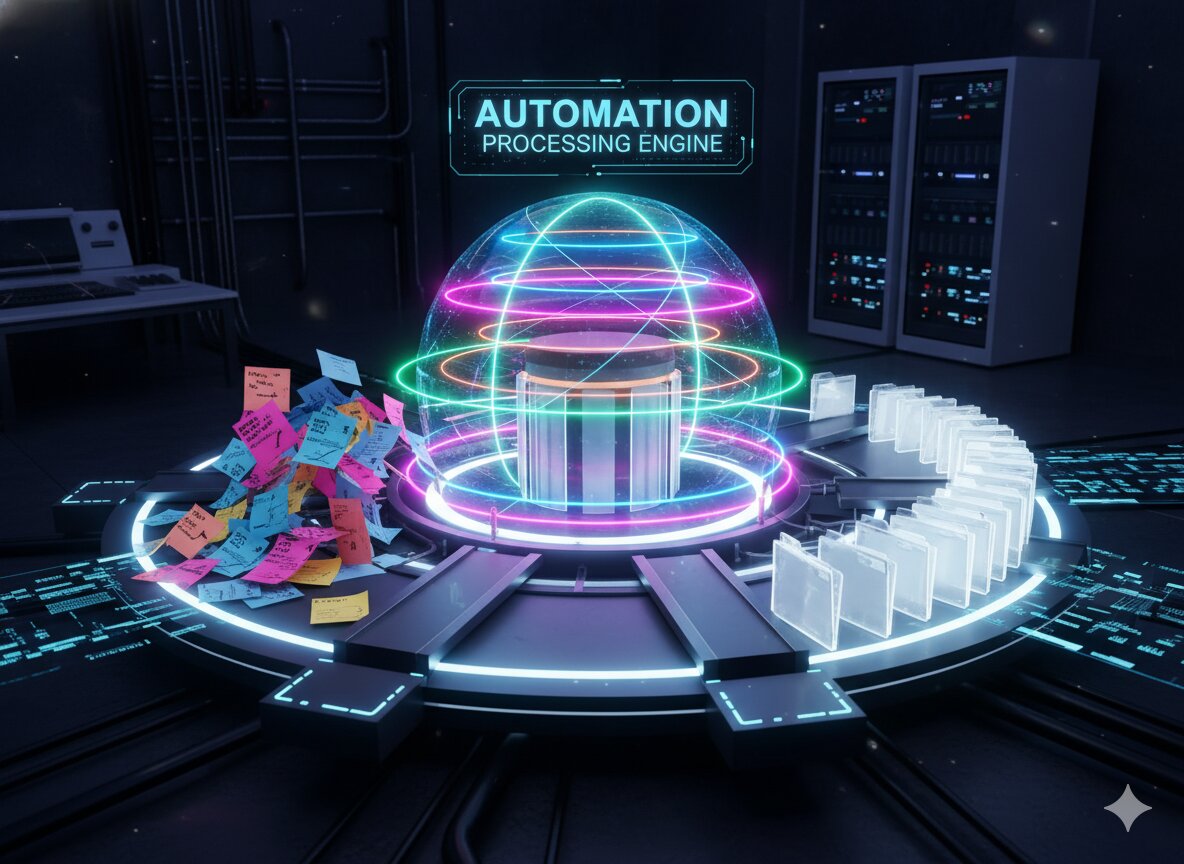
Most teams scale by "Brute Force"—they just throw more servers or more engineers at the problem. Stop. This creates a "Complexity Tax" that eventually slows your feature velocity to zero. Real scaling is about Decoupling and Automation.
The Core Framework: The "3-S" Scale Method
1. Stability (The "Blast Radius" Control)
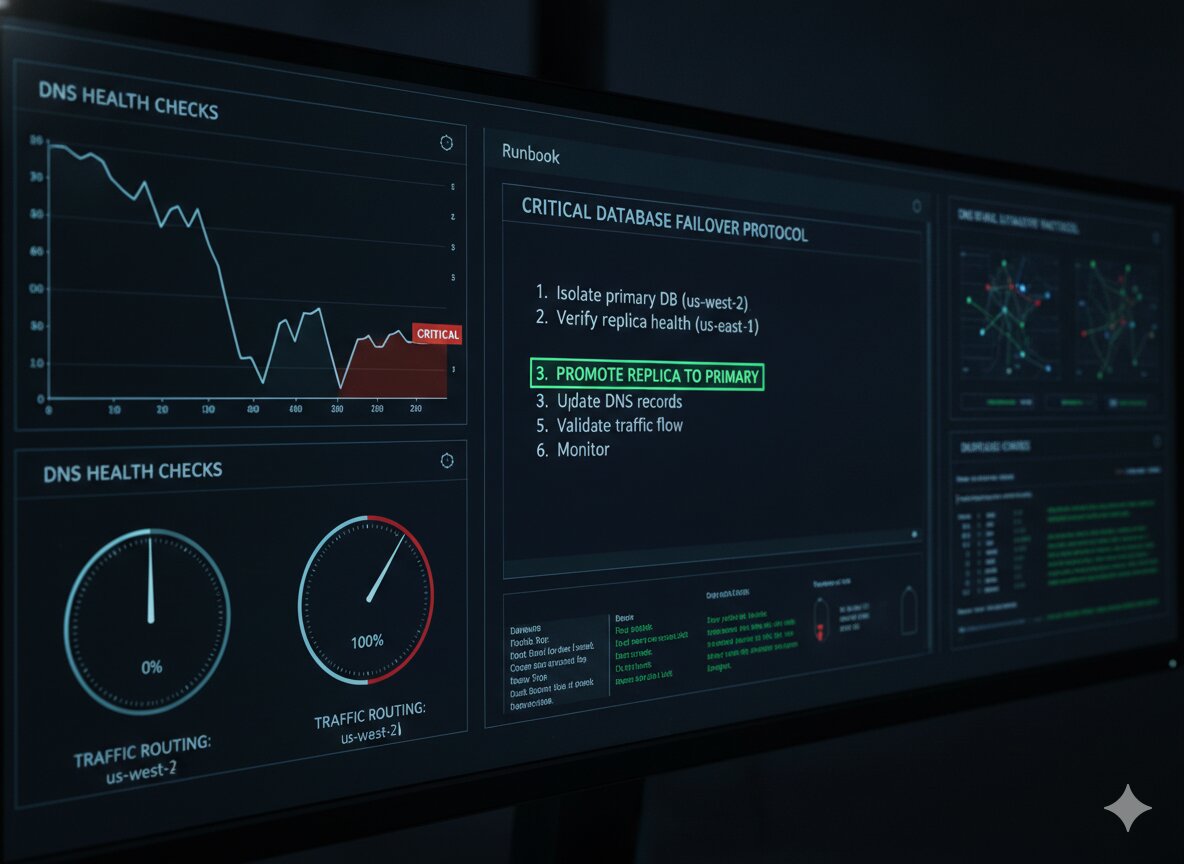
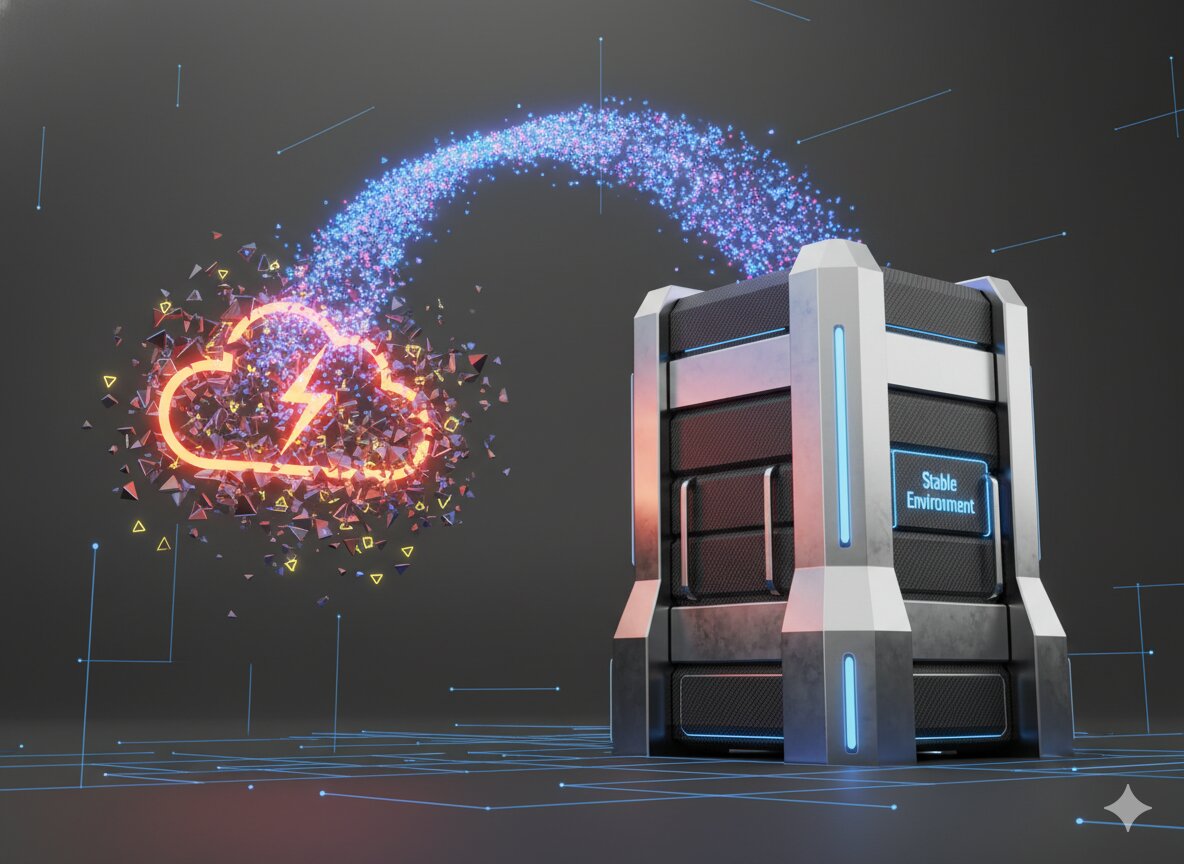
As you grow, one small bug can take down the entire system. You must isolate your services.
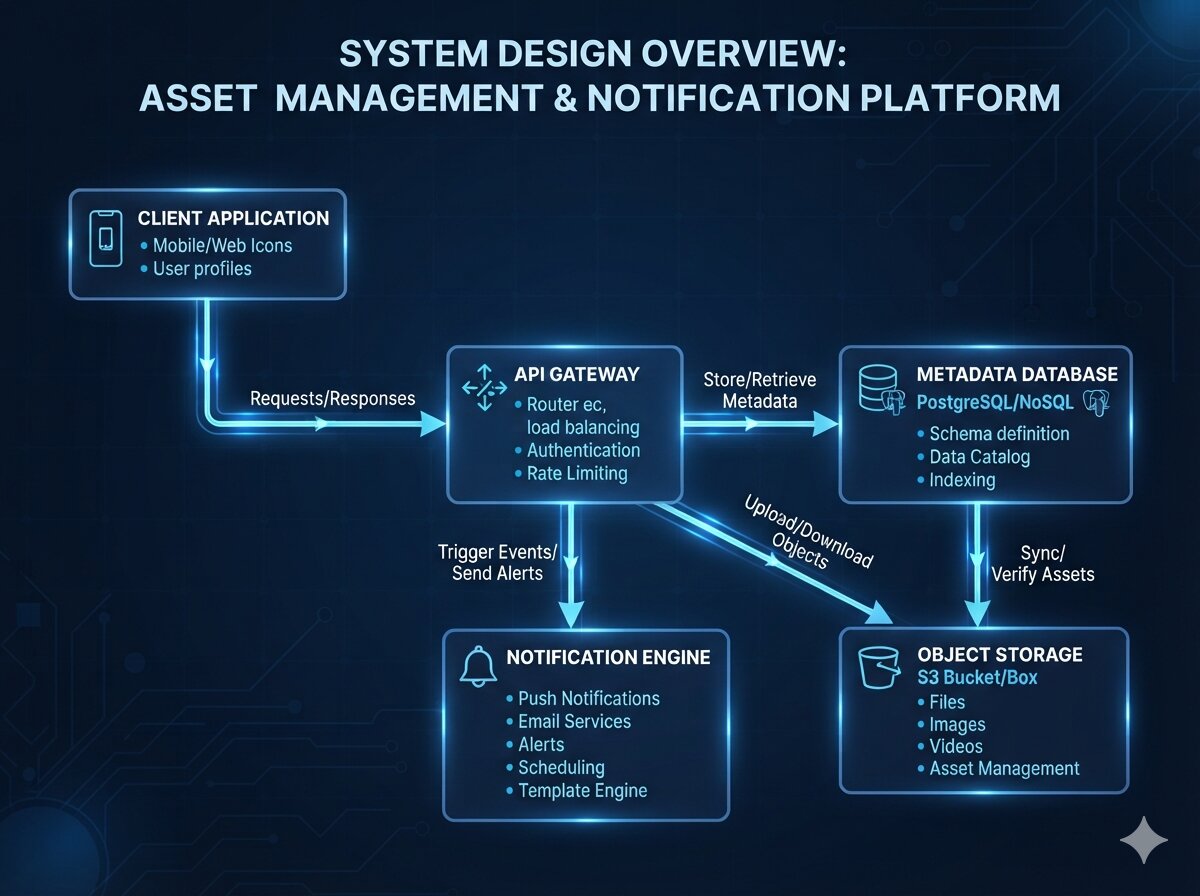
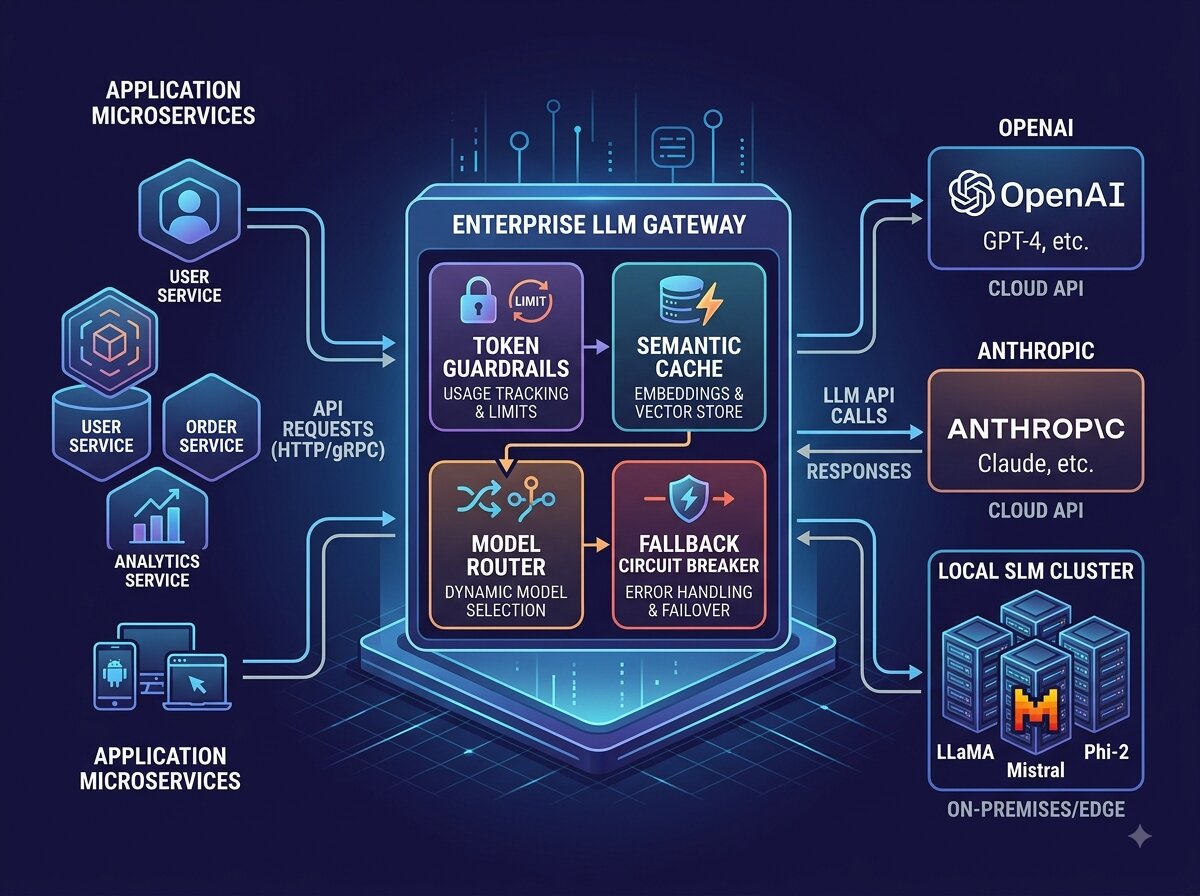
- The Soundbite: "I shift the architecture from a Monolith to Microservices. By using 'Circuit Breakers' and 'Bulkheads,' I ensure that if the 'Comments' service fails, it doesn't prevent users from 'Checking Out'."
2. Scalability (Horizontal over Vertical)
Don't buy a bigger computer; buy more small ones.
- The Strategy: Use Stateless Services. If your application doesn't store "session data" on the local server, you can spin up 1,000 instances in seconds to handle a traffic spike (like a Super Bowl ad or a viral tweet).
3. Storage (The Data Bottleneck)
The database is almost always the first thing to break.
- The Tactics: Implement Read Replicas for heavy traffic and Sharding (splitting the database by user ID or Region) to distribute the load.
- The Soundbite: "To hit our 10x growth target, I’d move high-frequency 'Read' queries to a Redis cache, reducing the direct load on our primary SQL database by 70%."
Scaling "The Wrong Way"Scaling "The Kracd Way"Manual deployments and "Hope."CI/CD Pipelines with automated rollbacks.Hard-coding configurations.Service Discovery and Dynamic Load Balancing.Reacting to outages after they happen.Observability (Monitoring + Tracing) to find bottlenecks before they fail.
Master the "Staff-Level" Discussion
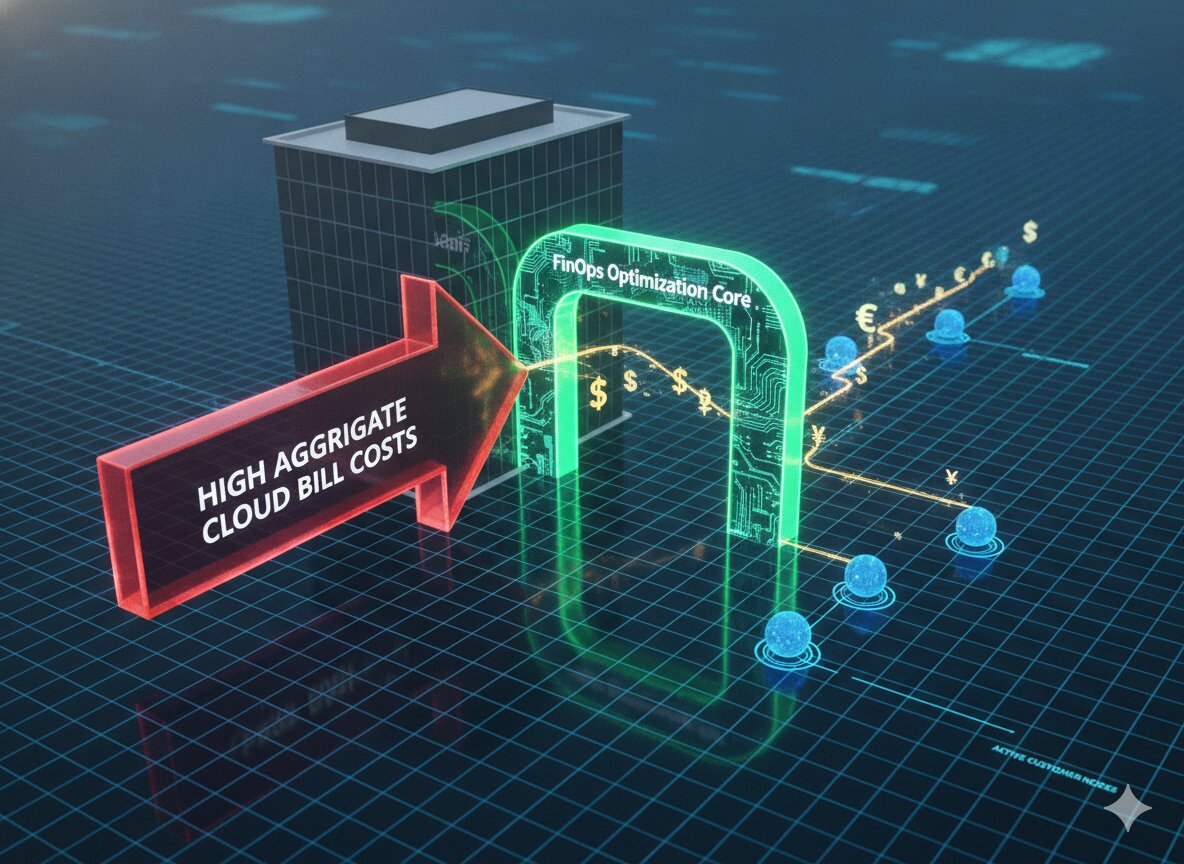
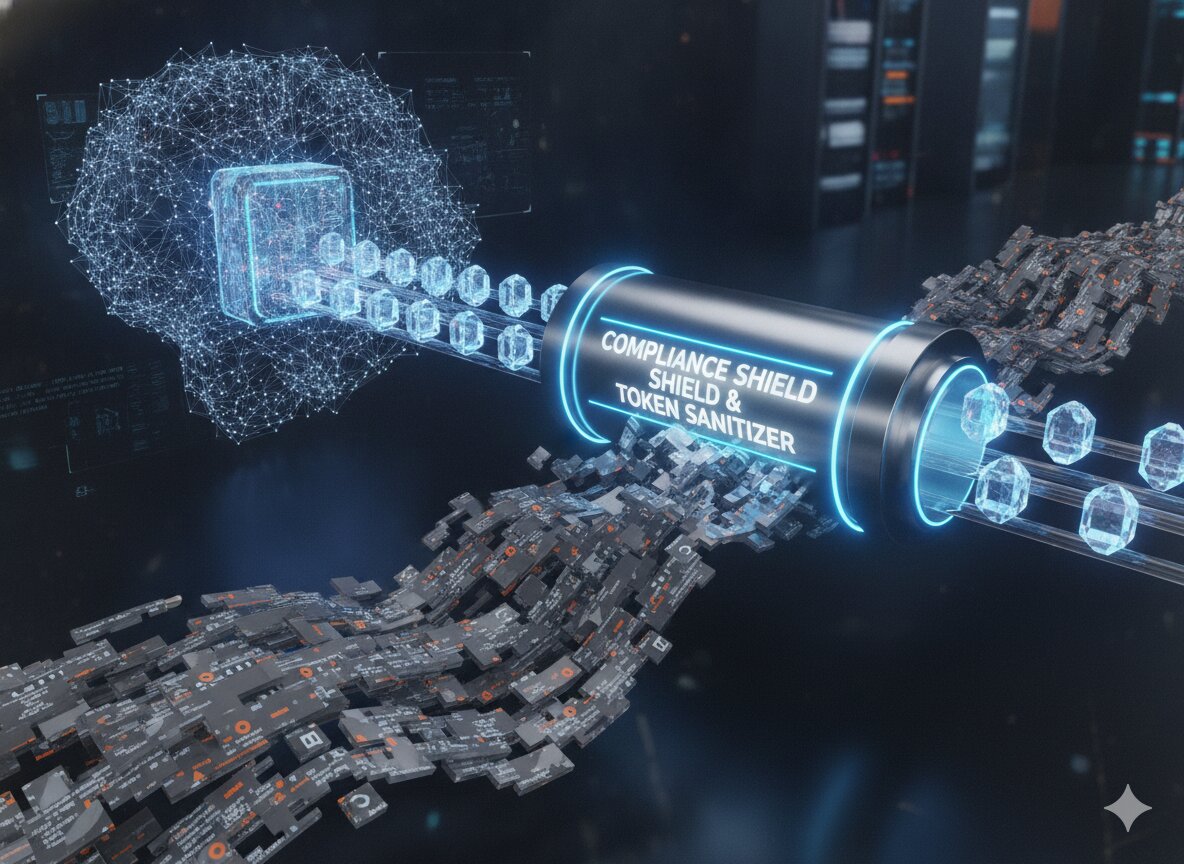
In high-level TPM and PM interviews, "Scaling" isn't a technical detail—it's a business risk. You need to prove you can grow the user base without growing the "Cost per User."
Our kits give you the technical blueprints and the "Cost-Efficiency" rubrics used by engineers at Netflix and Amazon.
- For PMs: Protect the user experience during growth with the PM Prep Guide.
- For TPMs: Lead the architectural evolution with the TPM Prep Kit.
FAQs
Q: When is it "Too Early" to scale?
A: If you are still changing your core features every week (0-to-1), don't build a complex microservice architecture. It will make pivoting 10x harder. "Premature Optimization" is the root of all evil.
Q: How do we handle "Global Scale"?
A: Use a CDN (Content Delivery Network) and Multi-Region deployments. Your "Data Sovereignty" (GDPR) must be baked into the scaling plan from Day 1.
Q: What is the most important metric for scaling?
A: Latency at the 99th Percentile (p99). It doesn't matter if the "average" user is fast; if your most active 1% of users are seeing 5-second lag, they will churn.


















.jpg)