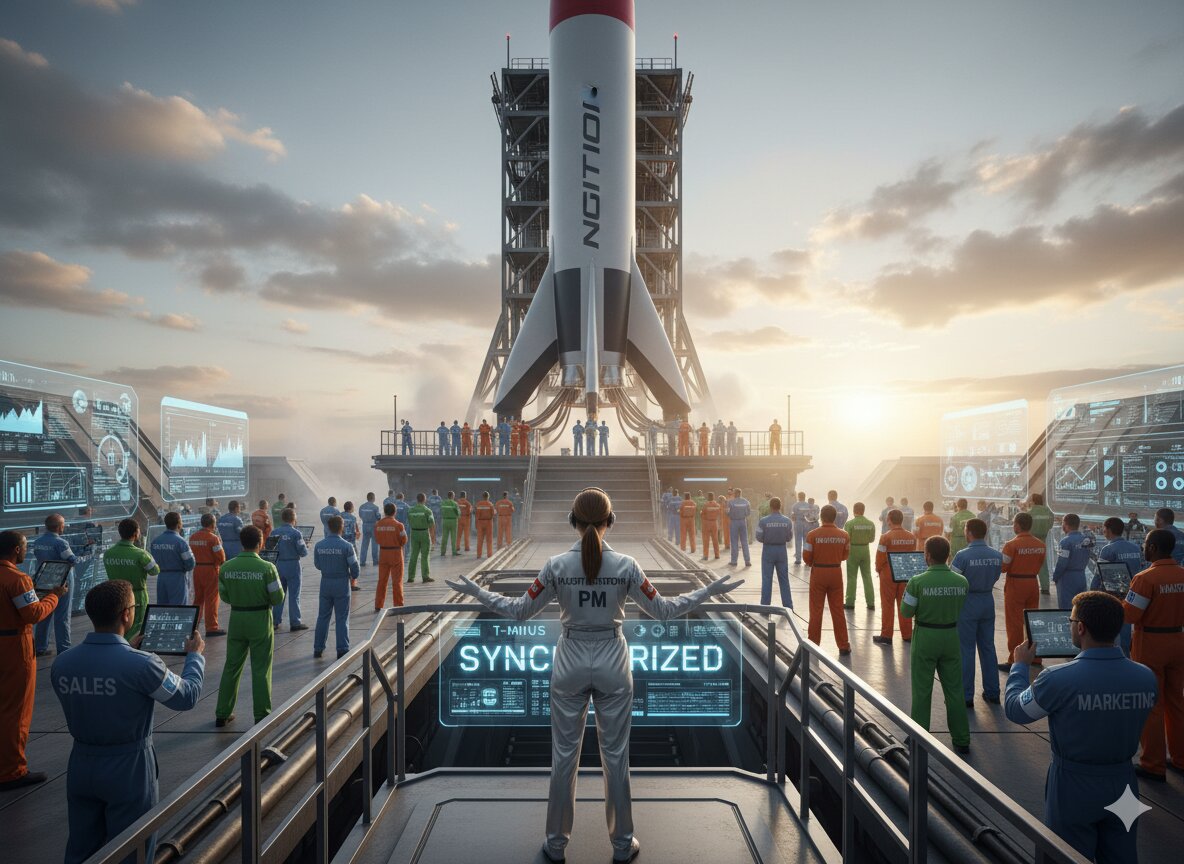
The Interview Trap
Candidates often jump to the UI (e.g., "The user sees a popup"). Stop. This is a system design question. If you don't mention the "back-of-the-house" logic—like databases, queues, and third-party providers—you won't pass the technical bar.
The Core Framework: The "Flow-State" Method
1. Requirements & Scale
Define the "What" and "How Many."
- The Soundbite: "First, let’s define the scale. Are we sending 1,000 notifications a day or 1 billion? I’ll assume 1 billion to ensure we address concurrency and delivery bottlenecks."
2. The High-Level Architecture
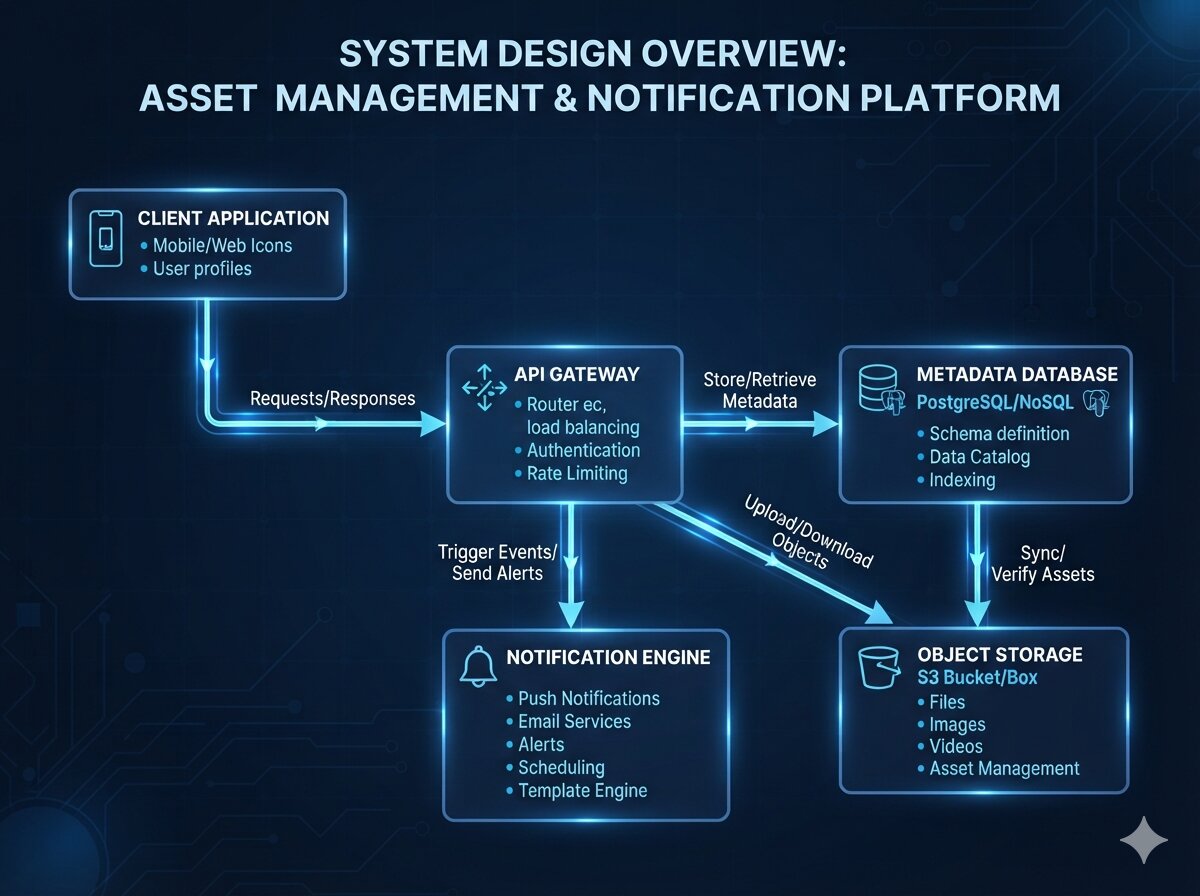
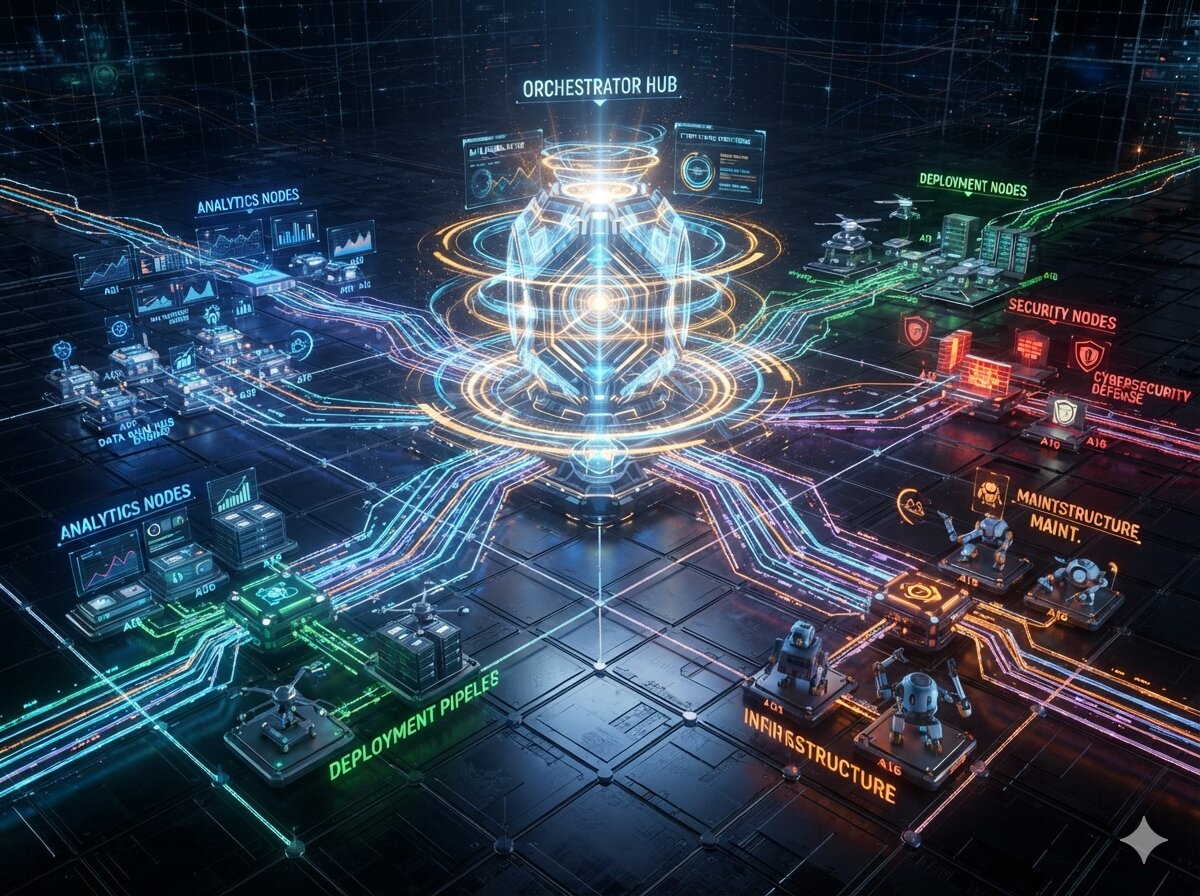
Break the system into its core components.
- The Trigger: An event (like a "Like" or a "Payment") hits our API.
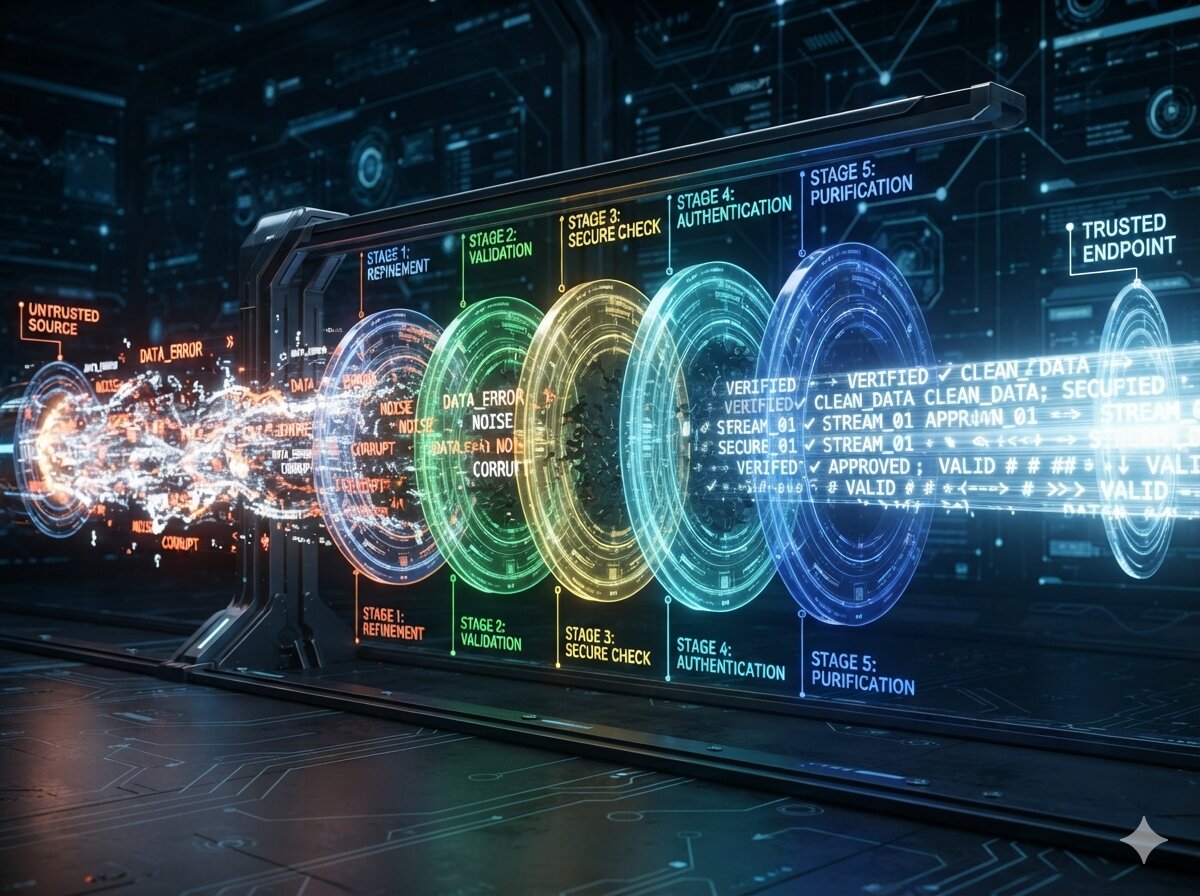
- The Validator/Prioritizer: We check user settings. Is it a "High Priority" (Security Alert) or "Low Priority" (Marketing)?
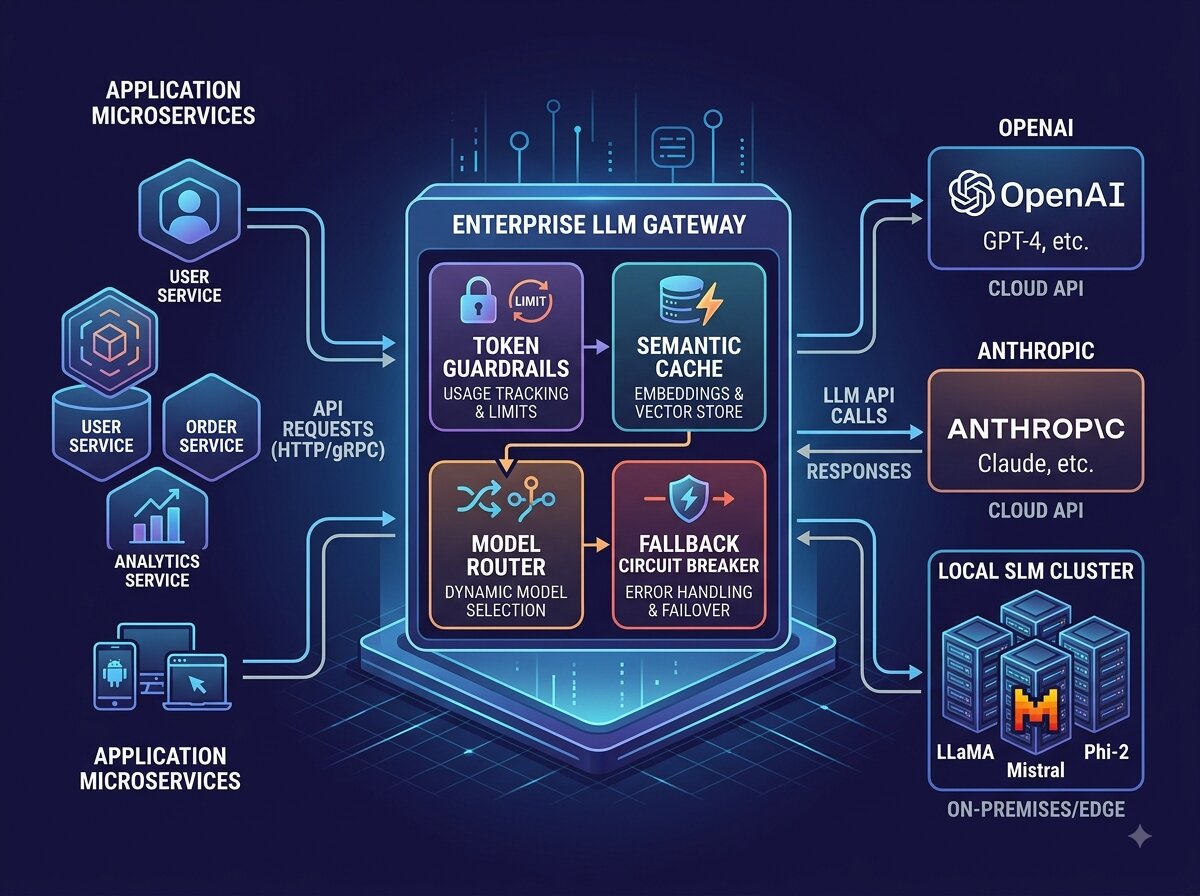
- The Message Queue: To handle traffic spikes, we put messages in a queue (like Kafka) so we don't crash our servers.
- The Delivery Service: We connect to providers like Apple (APNs), Google (FCM), or SMS gateways.
3. Solving for the "Edge Cases"
Show off your PM/TPM "Product Sense."
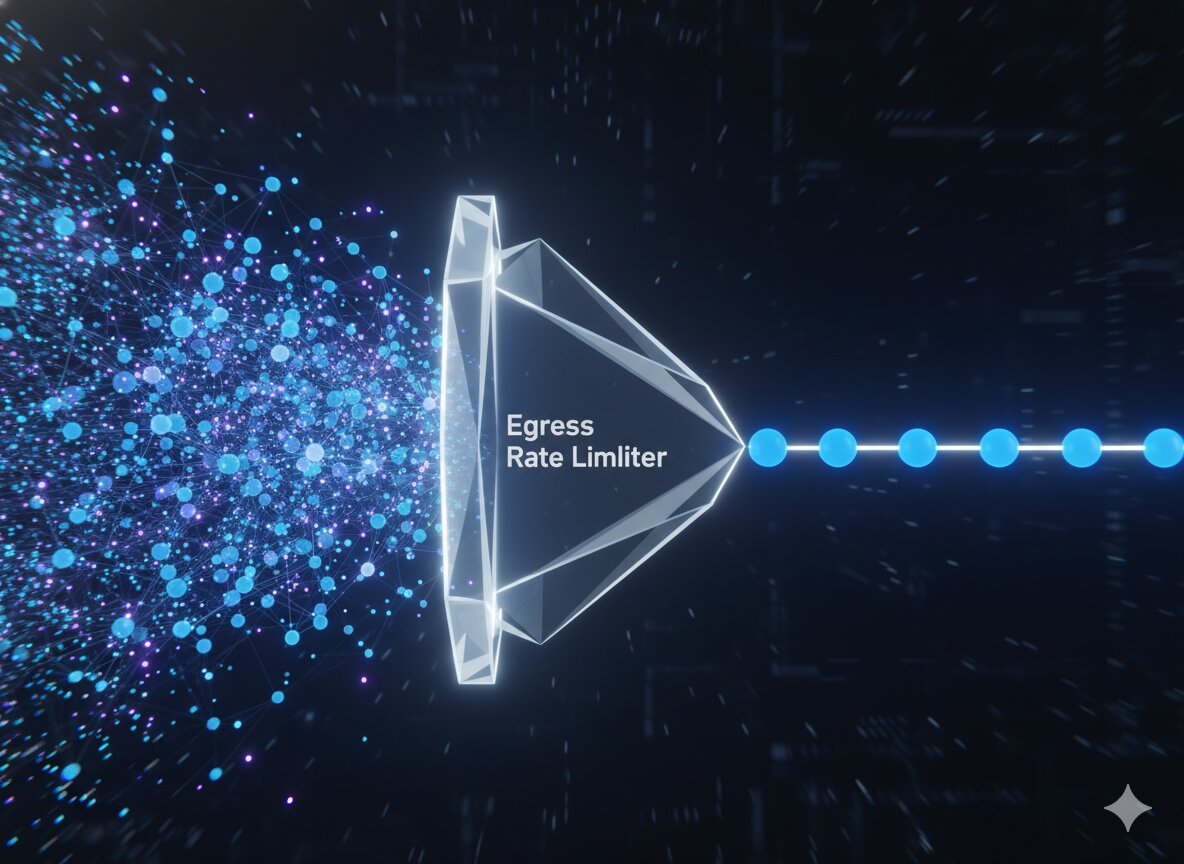
- The Soundbite: "To avoid annoying users, I’d implement 'Batching' (sending one summary instead of 50 pings) and 'Rate Limiting' to ensure we don't spam the same device."
Bad AnswerKracd-Level Answer"I'd have the server send an email whenever something happens.""I’d use a distributed message queue to decouple the trigger event from the delivery service, ensuring high availability.""I'd make sure the notifications look good on the phone.""I’d implement a 'Preference Service' to cross-reference user opt-outs and 'Do Not Disturb' windows before the message reaches the queue."
Bridge the Technical Gap
FAANG companies expect PMs and TPMs to be "System Literate." You don't need to be an architect, but you must know how the pieces fit together.
Our guides give you the "System Design for Non-Engineers" cheat sheets used by successful hires at Meta, Uber, and Netflix.
- For PMs: Understand technical trade-offs with the PM Prep Guide.
- For TPMs: Master high-scale architecture with the TPM Prep Kit.
FAQs
Q: Do I need to draw a database schema?
A: Usually, no. Focus on the Data Flow and the Trade-offs (e.g., "Why use a queue?").
Q: What if the system fails?
A: Mention "Retry Logic" and "Logging." If a notification fails to send, how many times do we try again before giving up?
Q: How do I handle global users?
A: Mention "Regional Data Centers" to reduce latency. A user in Tokyo shouldn't wait for a server in New York to tell them they have a new message.














.jpg)