The Interview Trap
Most candidates suggest "adding a chatbot" to everything. Stop. Chatbots are often the lowest-value AI implementation. Interviewers want to see if you can identify where AI solves a latent user pain point that was previously impossible to fix. Don't build a wrapper; build a feature.
The Core Framework: The "AI-Utility" Method
1. Identify the "Cognitive Load"
Where are users currently doing manual, repetitive, or "boring" work in your product?
- The Soundbite: "I don't start with the technology; I start with the friction. I’d audit our user journey to find 'High-Cognitive, Low-Value' tasks—like manual data entry or long-form content synthesis—where AI can act as a co-pilot."
2. Choose the Integration Level
Move through the three tiers of AI integration:
- Tier 1: Assistive (The Nudge). AI suggests an action (e.g., "Smart Replies").
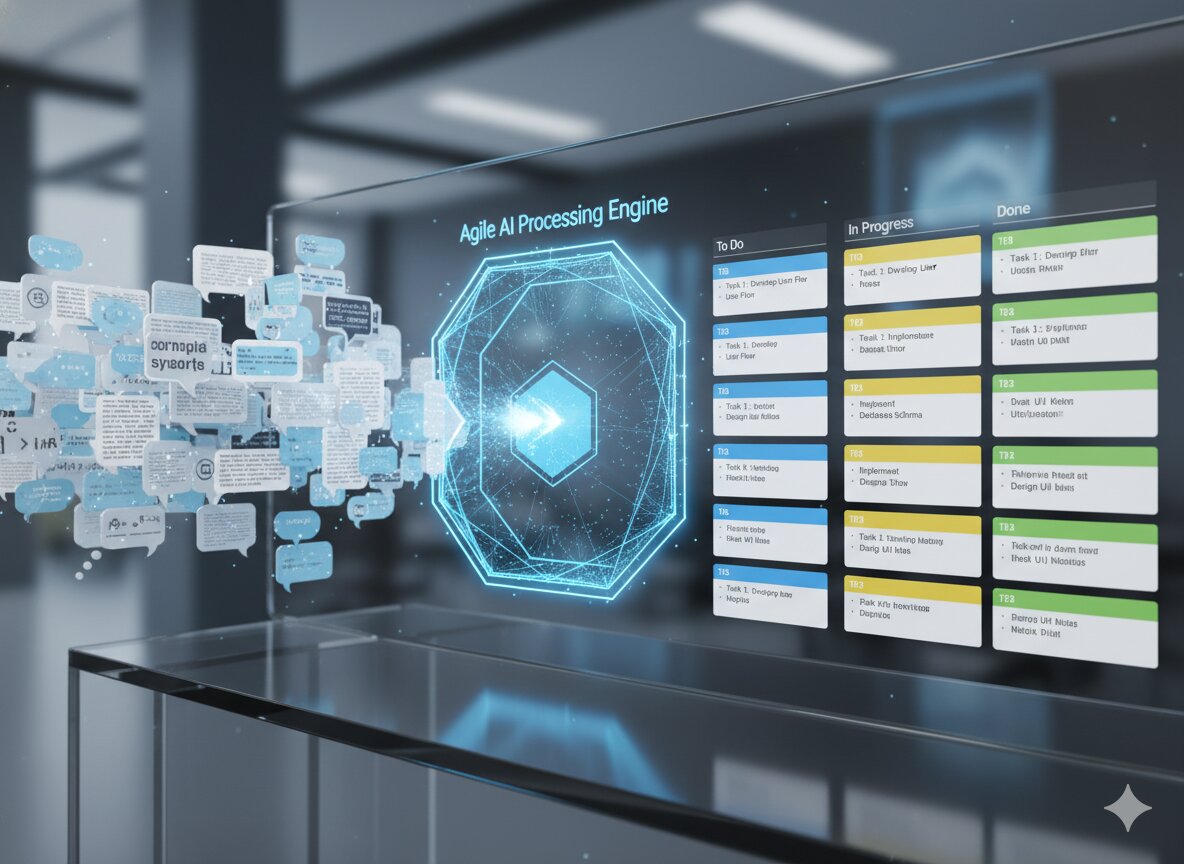
- Tier 2: Generative (The Creator). AI creates the first draft (e.g., "Draft a PRD based on these notes").
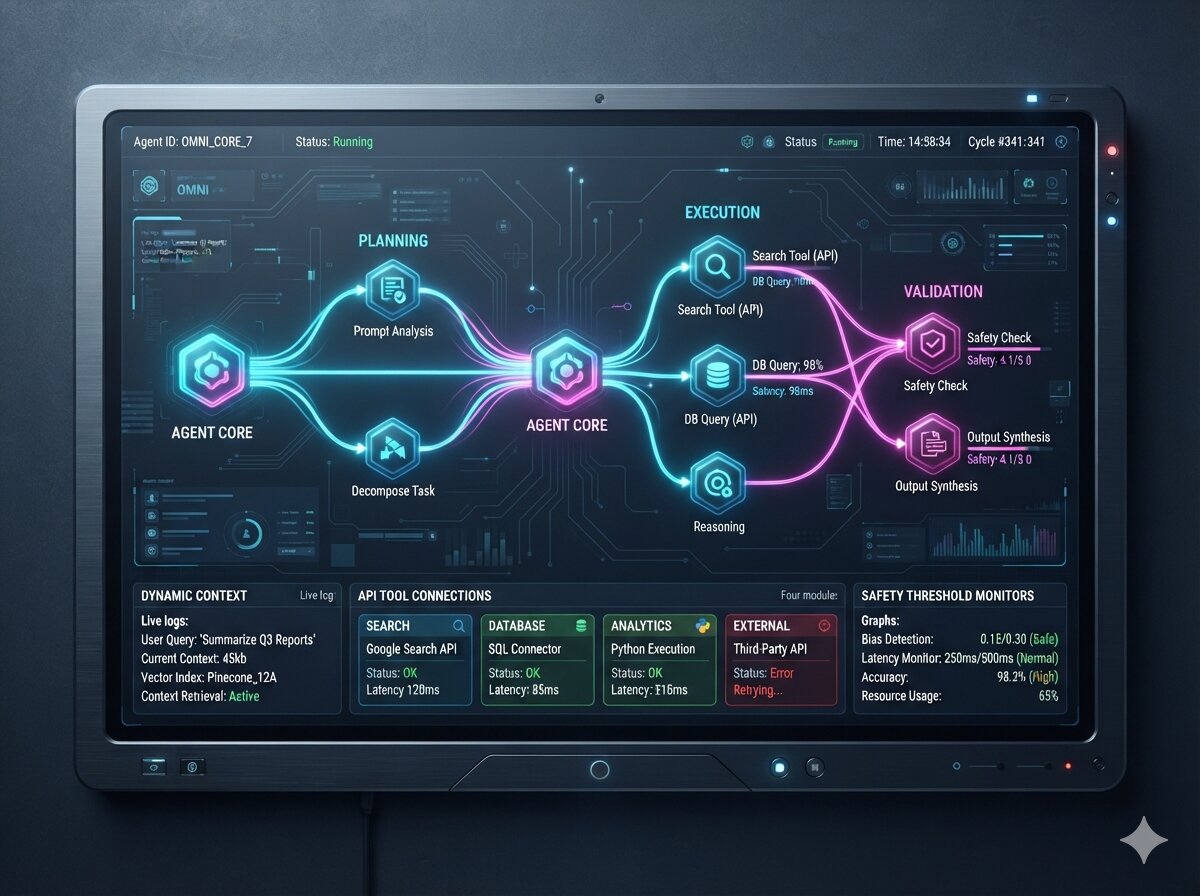
- Tier 3: Agentic (The Doer). AI completes the task autonomously (e.g., "Research these 10 competitors and update the slide deck").
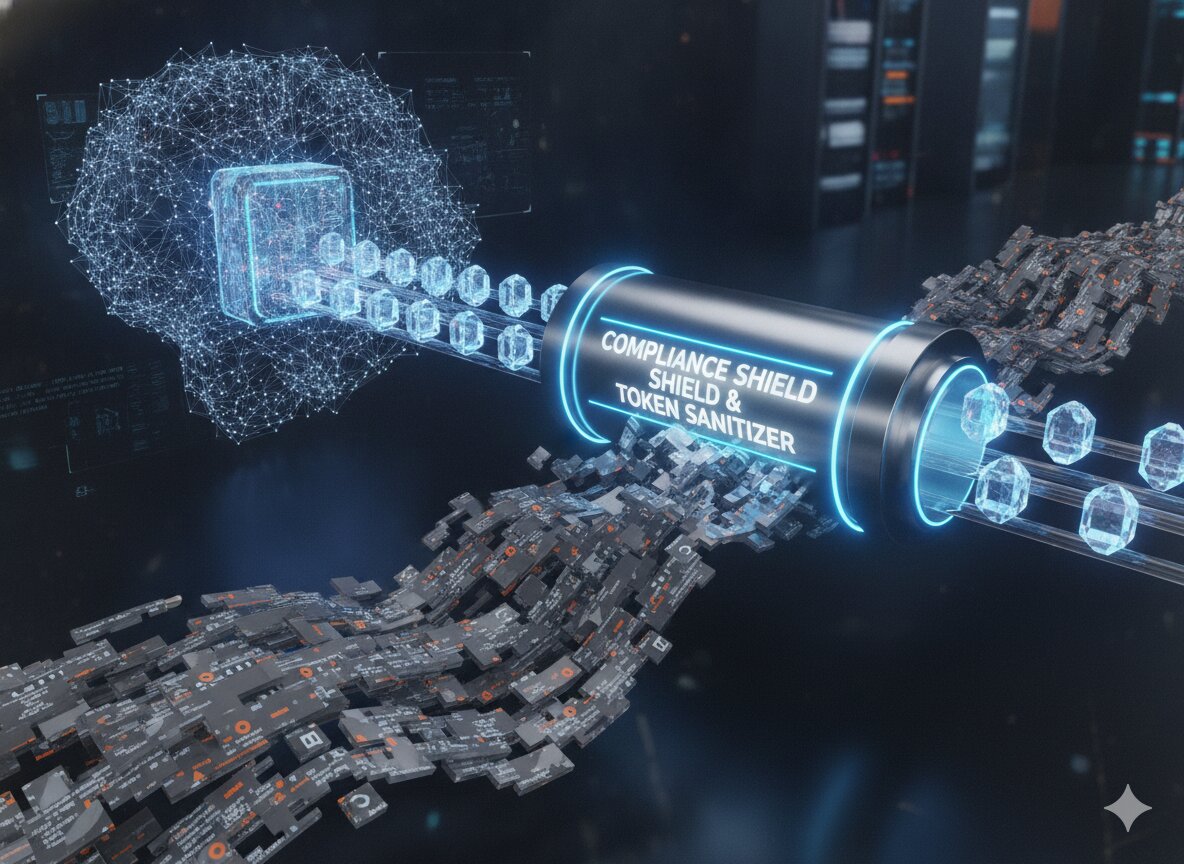
3. Address the "Trust Gap" (Safety & Accuracy)
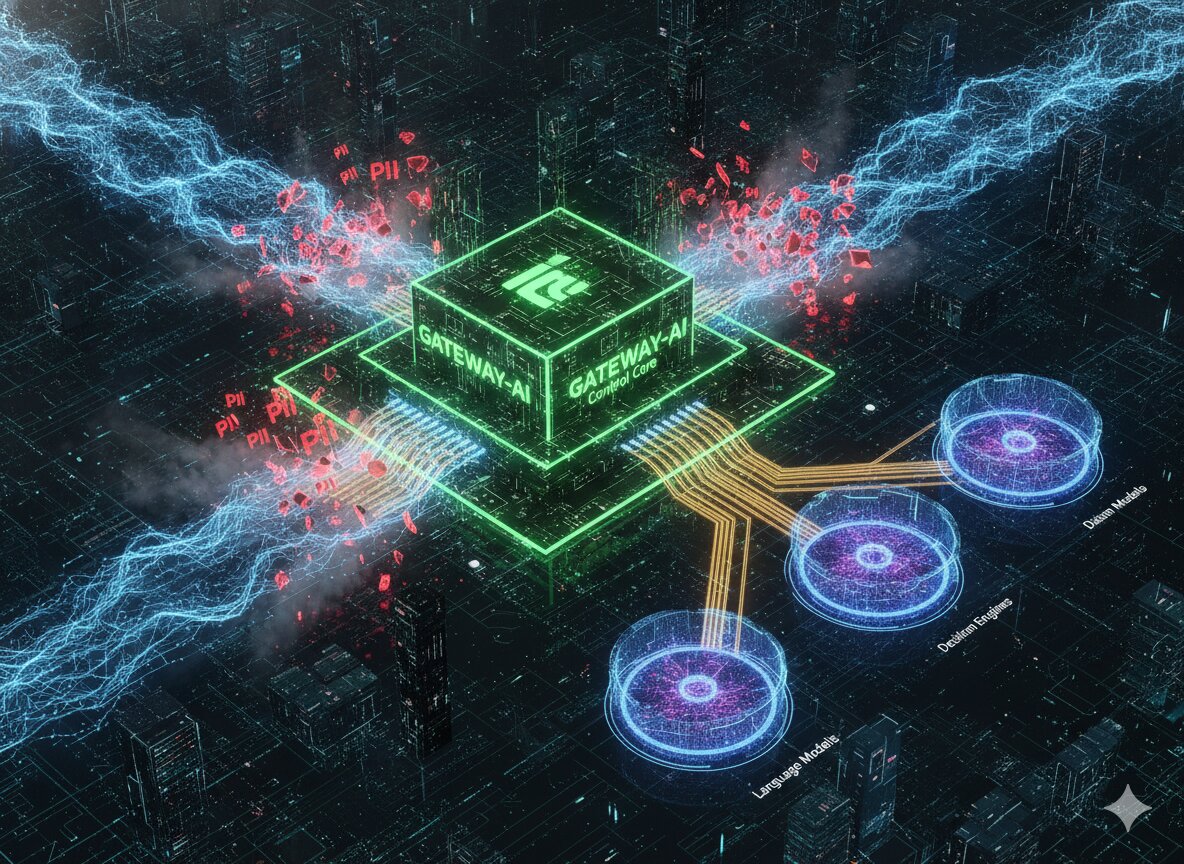
This is where TPMs win the round. How do you handle hallucinations and data privacy?
- The Soundbite: "For a global product, 'Agentic' actions require a 'Human-in-the-Loop' (HITL) safety rail. I’d implement a verification step before any AI-generated output is shared externally or saved to a system of record."
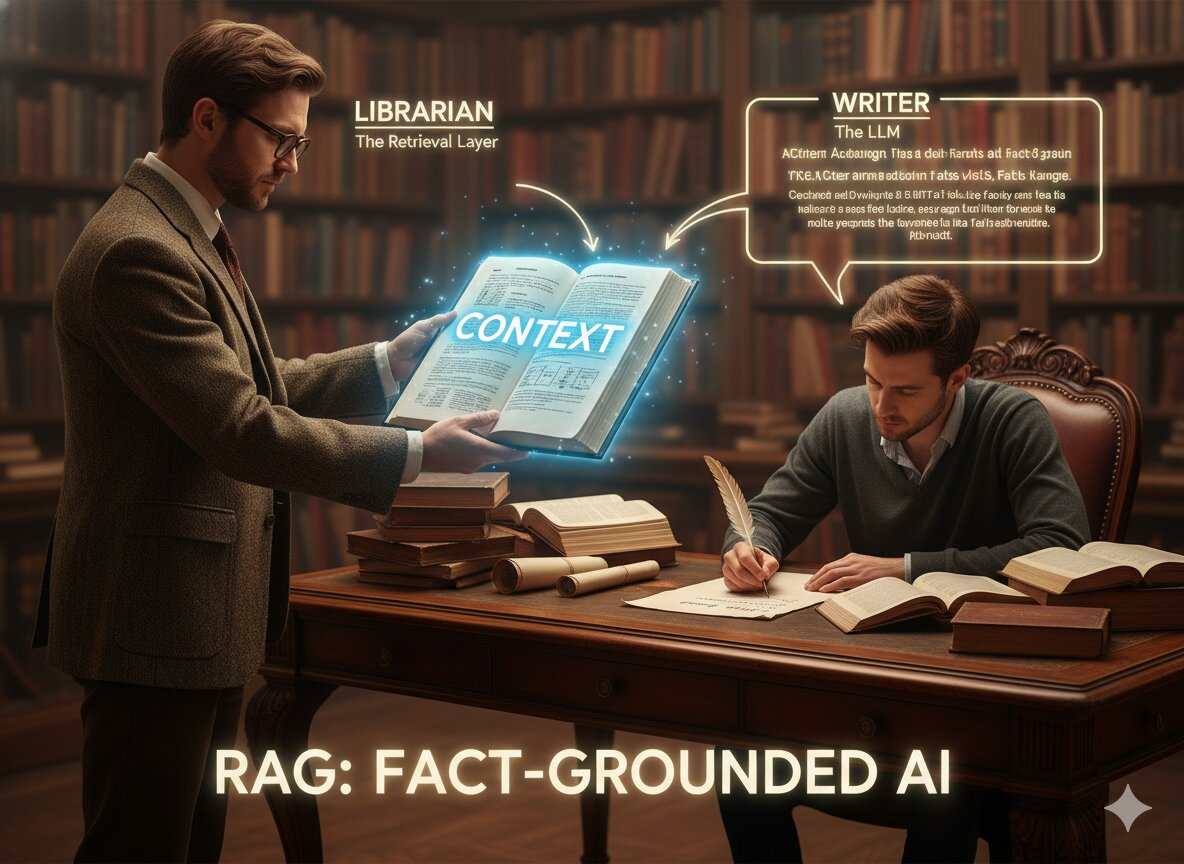
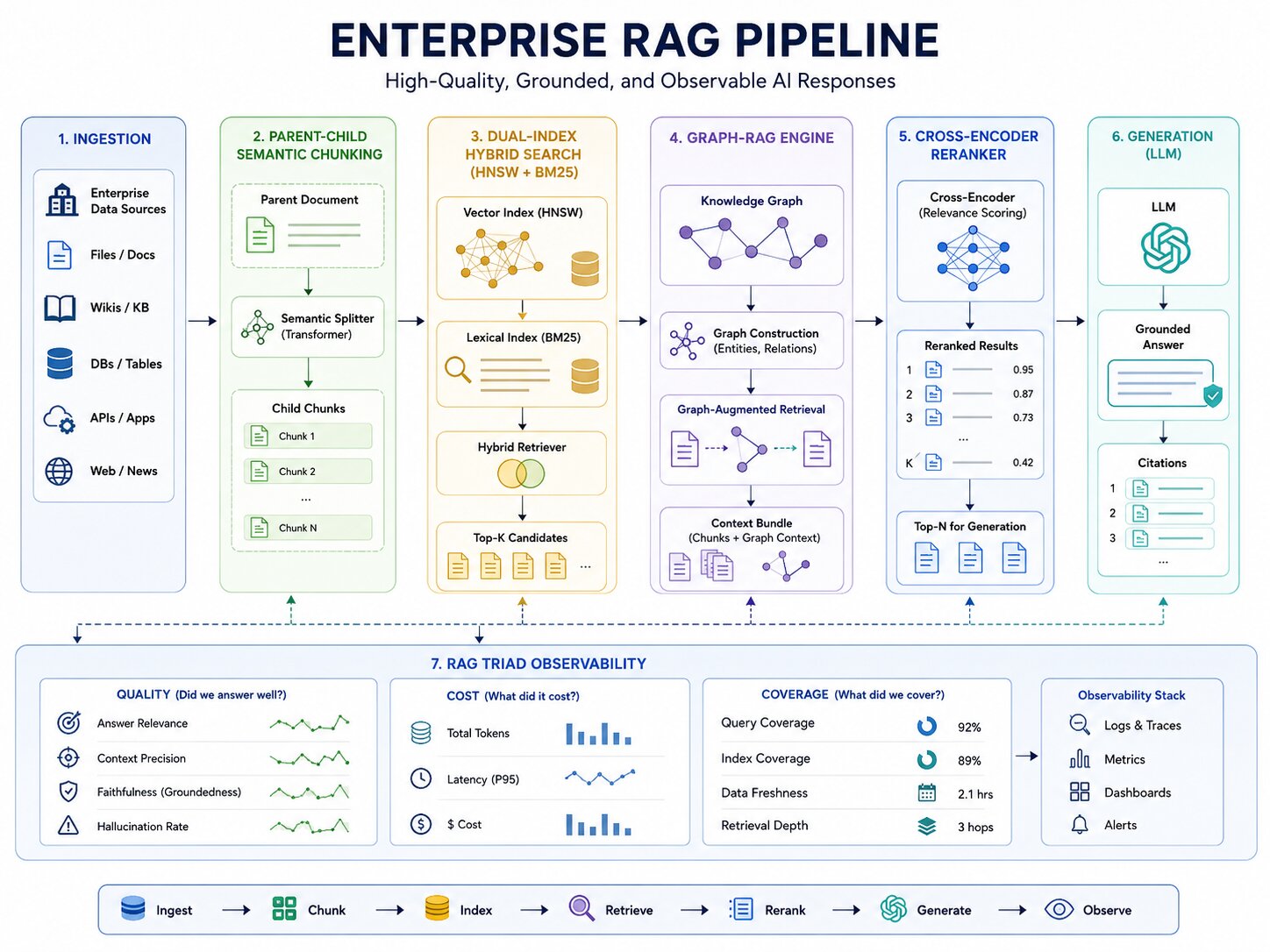
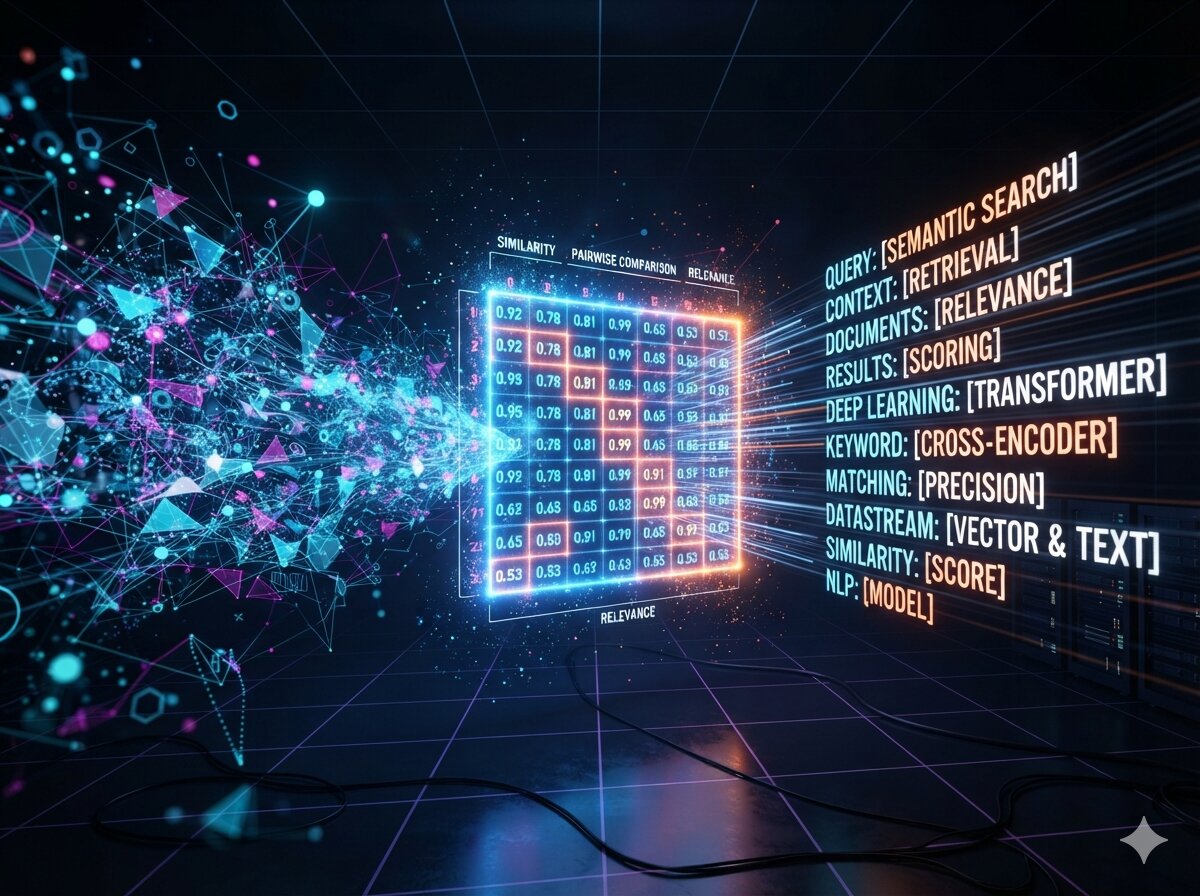
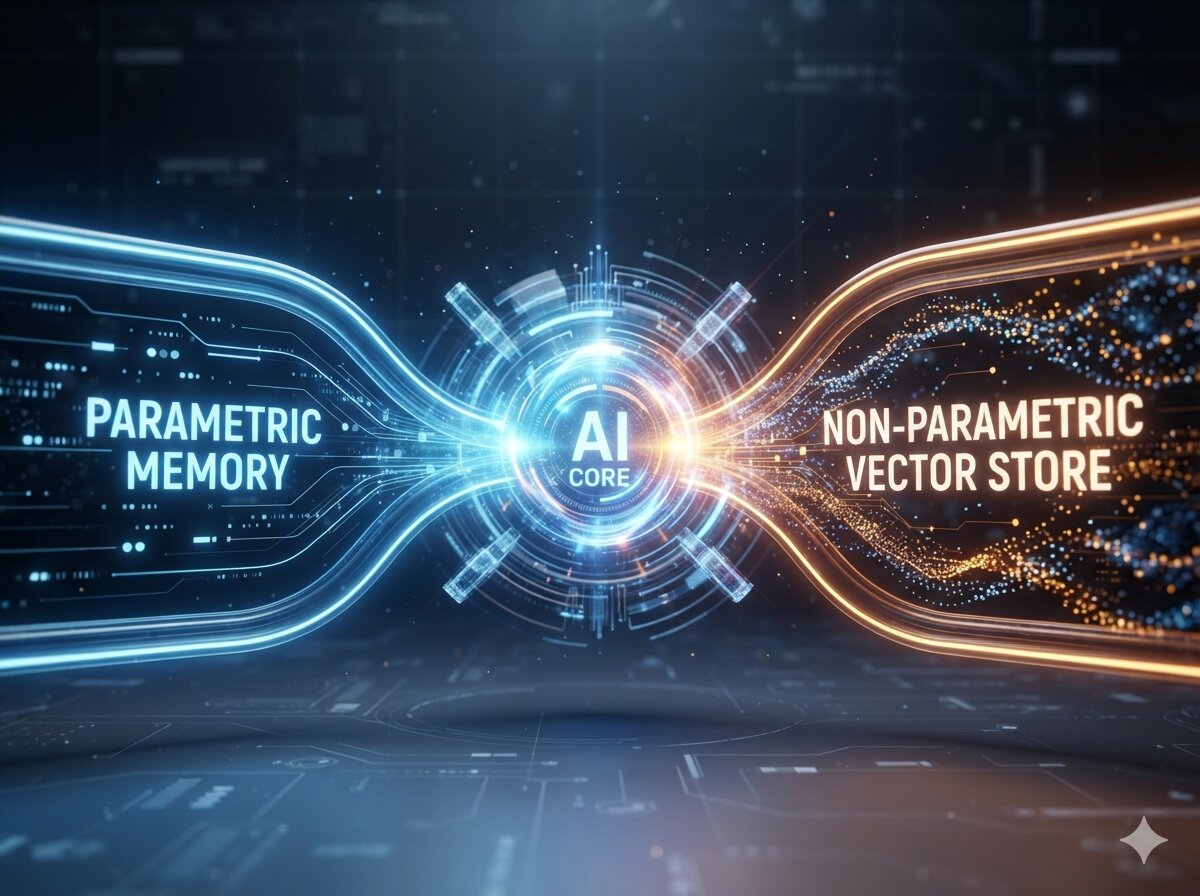
Bad AnswerKracd-Level Answer"I'd add an AI chatbot to the homepage to answer user questions.""I'd use a RAG (Retrieval-Augmented Generation) architecture to allow our AI to surface insights specifically from the user's private data.""We should use AI because everyone else is doing it.""I'd prioritize AI for our 'Search' functionality to shift from keyword-matching to semantic intent, reducing the time-to-value for our users."
Lead the AI Evolution
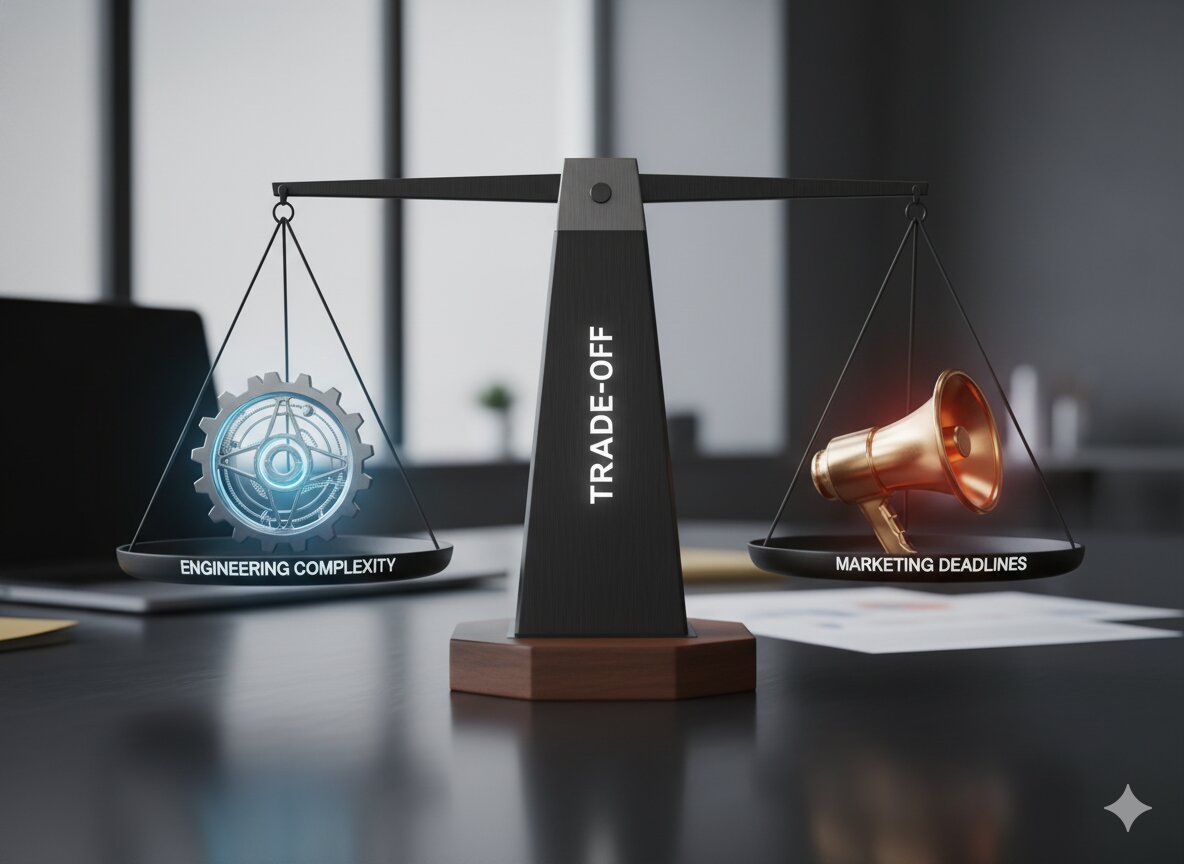
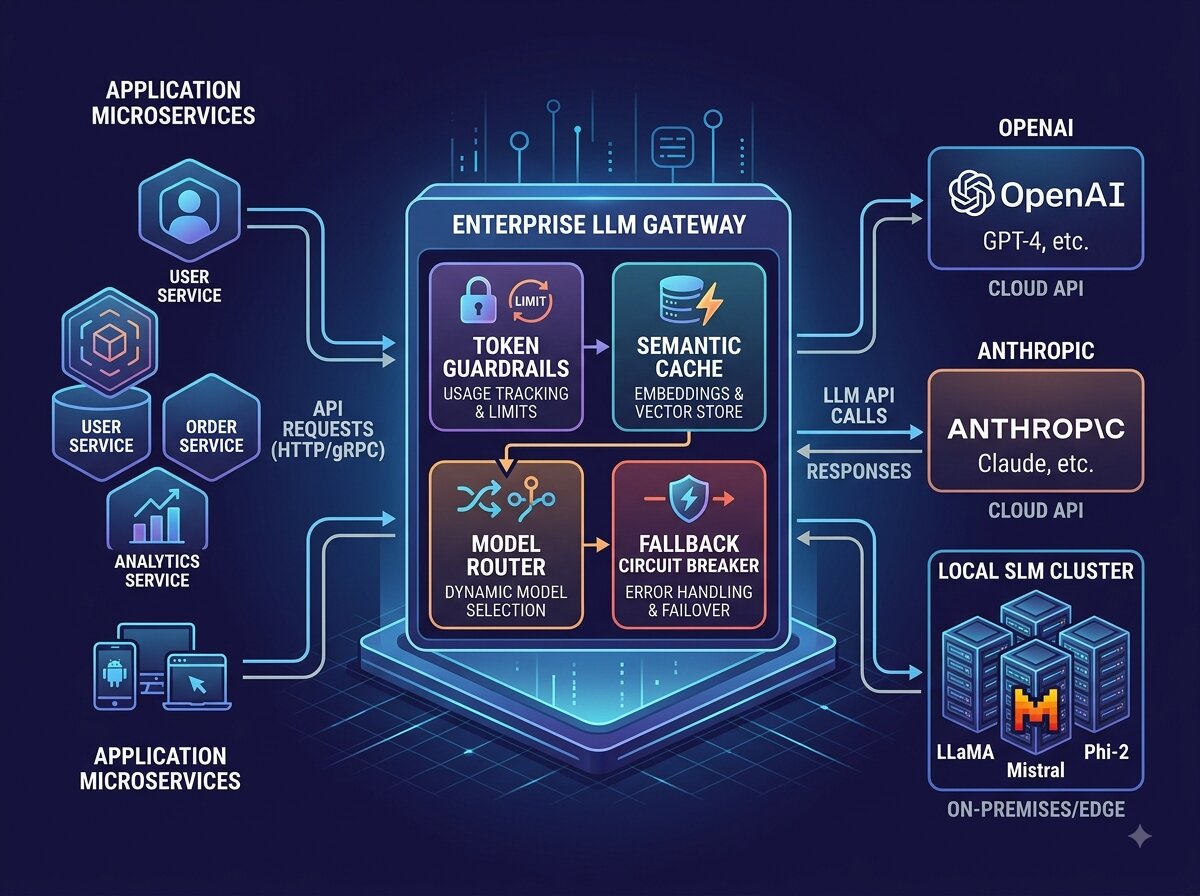
AI isn't a feature; it's a new layer of the stack. To pass the AI product round, you must prove you understand the trade-offs between Latency, Cost (Token usage), and Accuracy. Our guides have been updated for the 2026 landscape to include AI-specific case studies from OpenAI, Anthropic, and Google DeepMind.
- For PMs: Define the AI vision with the PM Prep Guide.
- For TPMs: Manage the AI infrastructure and LLM lifecycles with the TPM Prep Kit.
FAQs
Q: Do I need to know how to train a model?
A: No, but you should know the difference between "Fine-tuning" and "Prompt Engineering." PMs should know when to use each to save time and money.
Q: How do I handle the "Hallucination" question?
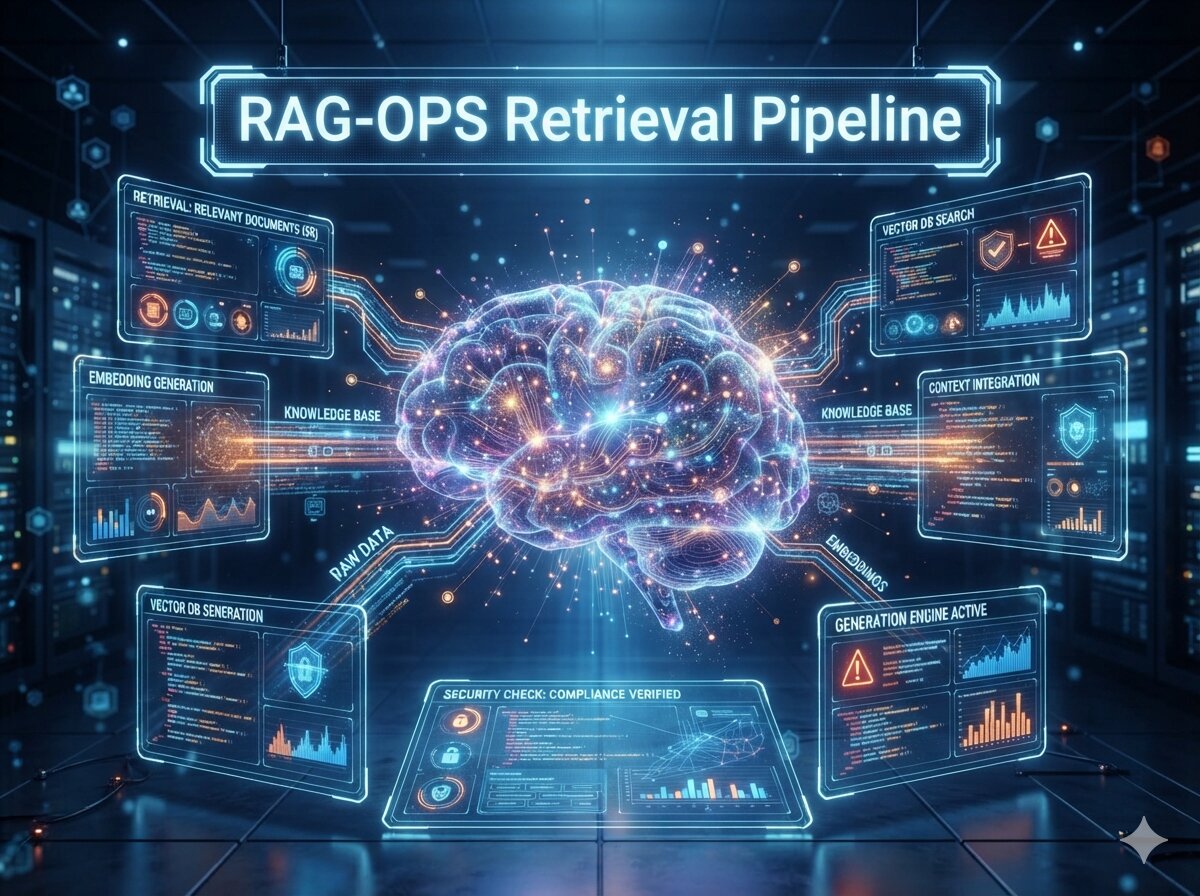
A: Mention RAG (Retrieval-Augmented Generation). It grounds the AI in specific facts/documents rather than letting it guess from its general training.
Q: Is AI making PM/TPM roles obsolete?
A: No, it’s making "Feature Managers" obsolete. It’s increasing the value of "Problem Solvers" and "Strategic Thinkers."

















.jpg)