The Interview Trap
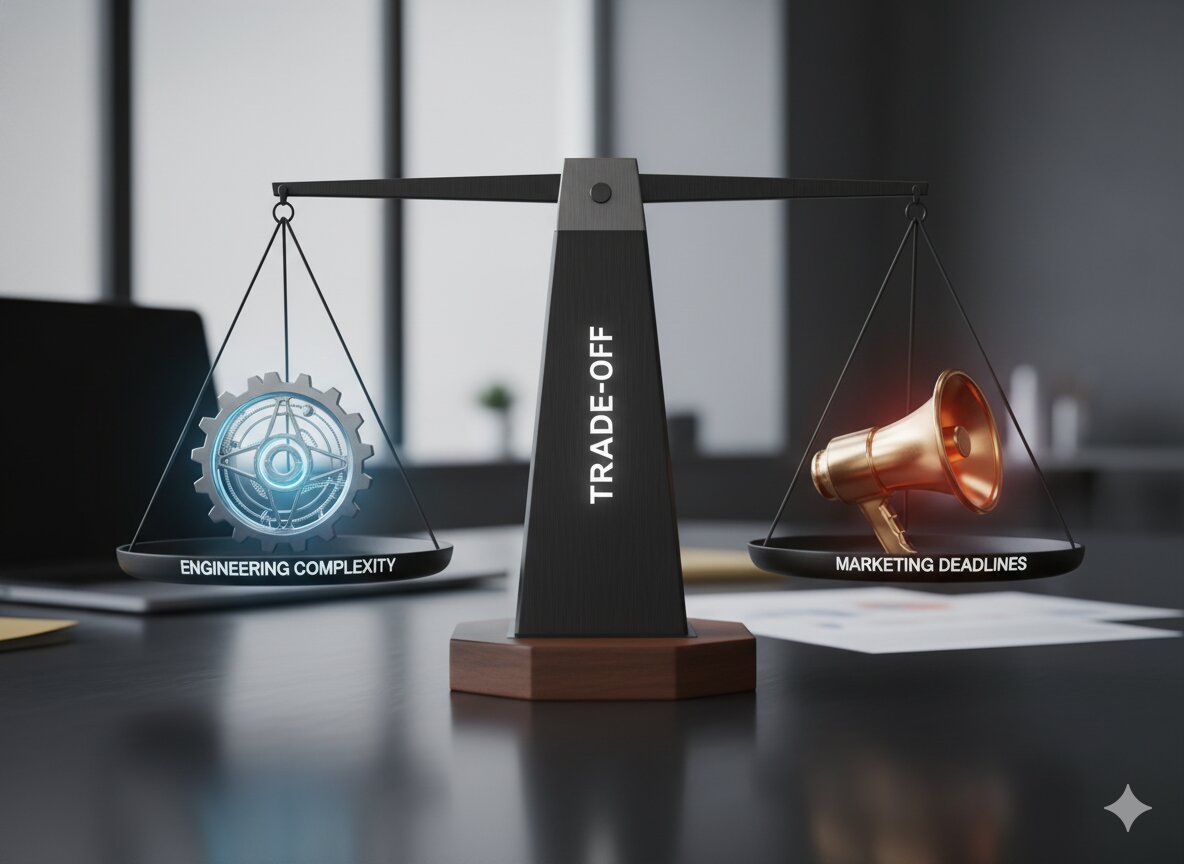
Interviewers want to see that you can balance business value against technical cost without being swayed by the "loudest voice in the room."
- The Mistake: Using intuition or "gut feeling."
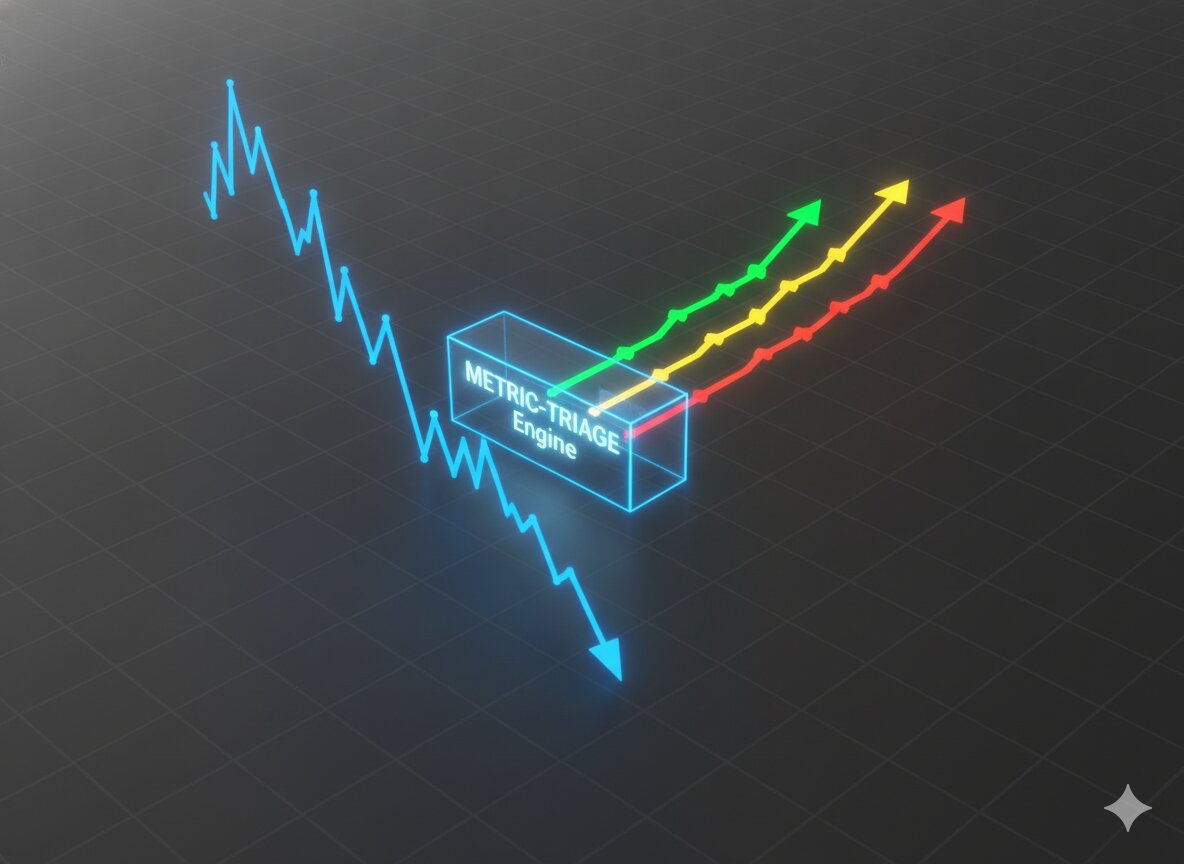
- The Fix: Move from subjective opinions to a weighted scoring system. Stop guessing. Start calculating.
The Core Framework: RICE (Reach, Impact, Confidence, Effort)
To pass the execution round, you must apply this formula to every feature candidate:
1. Reach (R)
How many people will this affect in a given timeframe?
- Soundbite: "I define Reach by the number of unique users impacted per quarter. Is this a niche power-user tool or a core platform update?"
2. Impact (I)
How much will this contribute to our North Star metric? (Scale of 0.5 to 3).
- Soundbite: "I'll quantify impact based on how much this moves our primary goal—whether that’s conversion, retention, or latency reduction."
3. Confidence (C)
How sure are we about our estimates? (100% is high, 50% is a "moonshot").
- Soundbite: "Confidence is our reality check. If we have no user research for a feature, I’ll drop the confidence score to 50% to account for the risk."
4. Effort (E)
The "Price Tag." Measured in "Person-Months."
- Soundbite: "I work closely with engineering to estimate Effort. A high-impact feature that takes 6 months of 4 engineers' time might be de-prioritized for a 'Quick Win' with better ROI."
The Formula:
$$\text{RICE Score} = \frac{\text{Reach} \times \text{Impact} \times \text{Confidence}}{\text{Effort}}$$
Bad AnswerKracd-Level Answer"I'd ask the CEO what the most important feature is.""I use a weighted RICE model to ensure we aren't biased toward 'shiny' features that have low confidence or high effort.""I prioritize based on what will make the most money.""I evaluate the ROI of each roadmap item by dividing its projected impact by the engineering person-hours required."
Build Roadmaps That Get Approved
Prioritization is a negotiation. If you don't have a framework, you'll lose to the loudest stakeholder. If you do have a framework, you lead the conversation.
Our kits give you the decision-making rubrics used at companies like Slack, Uber, and Amazon to cut through the noise.
- For PMs: Defend your roadmap with data using the PM Prep Guide.
- For TPMs: Balance technical debt against feature velocity with the TPM Prep Kit.
FAQs
Q: What if a stakeholder insists on a low-RICE feature?
A: Use the data. Show them the score. It shifts the conversation from "I don't like your idea" to "Your idea has a lower ROI than these three other items."
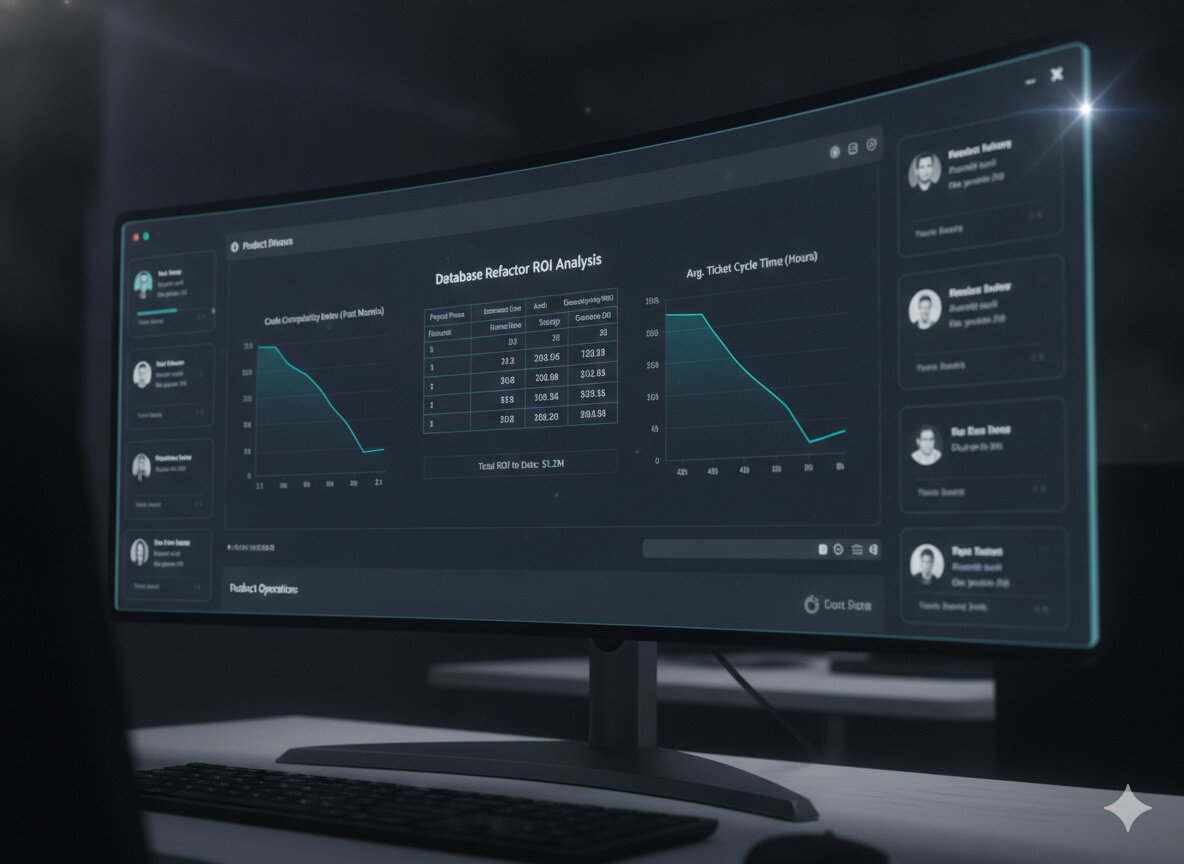
Q: Can I use RICE for technical debt?
A: Yes! TPMs should treat technical debt as a "Feature" where the "Impact" is system stability or future developer velocity.
Q: Is RICE the only framework?
A: No. Mention others like Kano (for delight) or MoSCoW, but RICE is the gold standard for FAANG execution rounds because it’s quantitative.




















.jpg)