The Interview Trap: The "Big Bang" Migration Failure
The interviewer drops you into a classic architectural deadlock: "Your core e-commerce platform is running entirely on a 10-year-old Ruby on Rails monolith. The database connection pools are maxed out, shipping a simple feature takes 3 weeks of regression testing, and black Friday traffic routinely brings the site down. The engineering team wants to freeze all feature development for 12 months to completely rewrite the platform into an asynchronous microservices architecture. Business stakeholders say a feature freeze is out of the question. How do you lead this migration?"
Most candidates tank this technical execution round by falling back on high-risk, outdated strategies: "I would approve a 'Big Bang' migration by splitting the team—half on features, half on the rewrite—and then do a hard cutover on a low-traffic night." Stop. Running parallel development teams or attempting massive, all-or-nothing software cutovers is a recipe for data corruption, missed deadlines, and severe regression outages. In senior platform product management and technical program operations loops at high-scale tech companies like Shopify, Airbnb, and Amazon, panel judges are evaluating your understanding of The Strangler Fig Pattern, Intentional Domain Slicing, and Strategic Deployment of AI to Automate Legacy Monolith Decoupling.
The Core Framework: The "STRANGLE-SCALE" Method
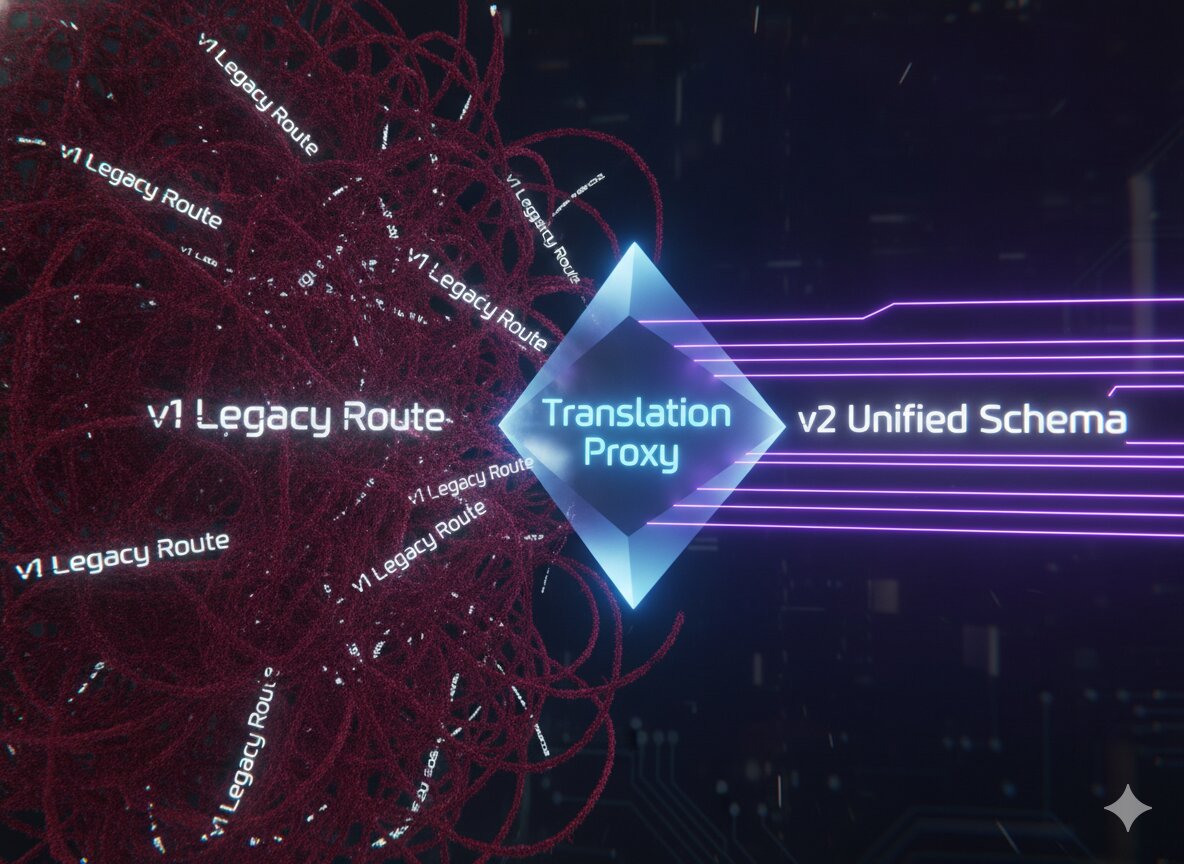
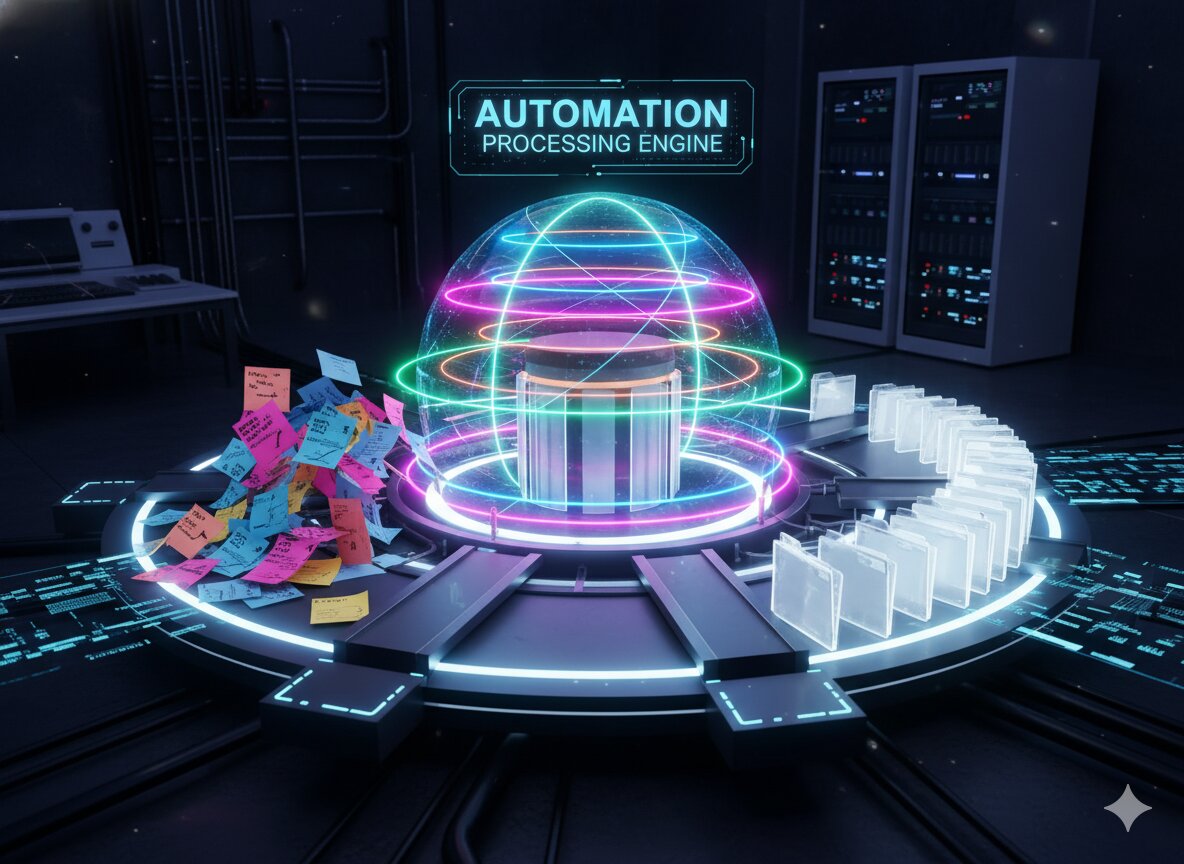
Elite PMs and TPMs never attempt a "Big Bang" rewrite. Instead, they apply the Strangler Fig Pattern, systematically intercepting traffic at the routing layer and chipping away at bounded contexts one domain at a time. They co-pilot with Large Language Models to accelerate legacy code analysis, auto-generate microservice domain models, and orchestrate zero-downtime routing transitions.
                                                                                            [ Inbound User Requests ]

                                                                                                               ▼
                                                                    ┌─────────────────────────┐
                                                                                                 API Routing Gateway
                                                                     └────────────┬────────────┘

                                                              ┌──────────────┴──────────────┐
                                                              ▼                                                                                                      ▼
                            ┌────────────────────┐                      ┌───────────────────┐
                                                  Legacy Monolith                                                                             New Decoupled
                                                  (e.g., Rails App)                                                                                  Microservice
                            └────────────────────┘                      └───────────────────┘
                                                               │                                                                                                         │
                                                              ▼                                                                                                      ▼
                             ┌────────────────────┐                      ┌───────────────────┐
                                               Legacy Monolith                                                                                 New Distributed
                                               Shared Database                                                                                   Data Store
                             └────────────────────┘     ◄────└───────────────────┘
                                                                                                           CDC Pipeline
1. S-ource Code Architecture and Domain Ingestion
Feed legacy codebase files and data schemas directly into your AI workspace to map out existing system dependencies and spaghetti code loops.
- The Strategy: Drop high-context monolith controllers and database schemas into an LLM context window to reverse-engineer undocumented systems and hidden code coupling.
- The Prompt Pattern: "Act as a Principal Software Archeologist. Analyze the attached legacy monolith controller file: [Insert Code Block] and database DDL. Identify all tightly coupled database transactions, cross-domain module calls, and hidden business logic rules that link this specific module to the rest of the application."
2. T-arget Domain Bounded-Context Slicing
Define clean architectural boundaries using Domain-Driven Design (DDD) to isolate which service should be extracted first.
- The Strategy: Avoid arbitrary microservice boundaries. Instruct the AI to analyze functional requirements and output low-coupling, high-cohesion microservice specifications.
- The Prompt Pattern: "Based on the legacy code analysis, apply Domain-Driven Design principles to slice out the 'Inventory Management' domain into a clean Bounded Context. Generate an explicit Markdown specification detailing: the domain entity boundaries, required aggregate roots, and inbound/outbound context maps."
3. R-outing Interception and Gateway Proxy Configuration
Establish an API gateway layer or reverse proxy ahead of your monolith to dynamically intercept and shift traffic between systems.
- The Strategy: Use the AI to write infrastructure-as-code configurations (like Envoy, NGINX, or AWS API Gateway) to safely proxy traffic away from the monolith paths to the new service layer.
- The Prompt Pattern: "Act as a Principal DevOps Engineer. Write an NGINX routing configuration script that implements the Strangler Fig Pattern. The proxy must route 100% of standard traffic to the legacy monolith paths, except for paths matching
/api/v1/inventory/*, which must be routed to our new microservice cluster."
4. A-synchronous Event-Stream Data Contract Co-Pilot
Bridge the data sync gap between the old monolith database and your new decoupled storage engines using messaging fabrics.
- The Strategy: Prompt the model to generate strict Kafka event schemas or RabbitMQ payload structures to sync state alterations between systems without hard dual-writing.
- The Prompt Pattern: "Act as a Lead Data Systems Architect. For our newly extracted Inventory service, write an Apache Kafka Avro schema definition that captures real-time
InventoryStockMutatedevents. The schema must enforce unique message IDs, tracking timestamps, and backward-compatible data fields to sync changes back to the legacy system database."
5. N-ative Microservice Boilerplate Generation
Accelerate initial development velocity by leveraging the AI to instantly spin up the new service framework complete with database drivers, linting, and health endpoints.
- The Strategy: Skip the boring, error-prone phase of writing service boilerplates from scratch. Use generative prompts tailored to your team's modern stack choice (e.g., Go, FastAPI, Spring Boot).
- The Prompt Pattern: "Act as a Senior Software Engineer. Generate a production-grade, containerized Go microservice boilerplate structure for our Inventory domain. Include: an explicit directory structure, a Dockerfile multi-stage build configuration, a Prometheus metrics health endpoint, and an optimized PostgreSQL connection pool initialization script."
6. G-uaranteed Data Sync and CDC Pipeline Architecture
Build reliable Change Data Capture (CDC) pipelines to replicate data from the monolith down to the microservice in real time without creating database performance spikes.
- The Strategy: Use the model to write optimized pipeline worker scripts (e.g., Debezium or Kafka Connect configurations) that tail database transaction logs cleanly.
- The Play: "We eliminate data drift risks by establishing an event-driven Change Data Capture (CDC) pipeline. Utilizing an automated Debezium connector that tails our legacy MySQL transaction log, database changes are safely streamed to Kafka topic buffers, updating our microservice's read database with a replication delay of less than 50 milliseconds."
7. L-ive Shadow-Traffic Verification Runner
Validate the stability and performance of your new microservice by mirroring real production workloads before switching the system of record.
- The Strategy: Use generative scripts to build shadow routing networks that clone incoming user requests, executing them concurrently against both layers while throwing away the microservice's response.
- The Prompt Pattern: "Generate a high-throughput shadow traffic simulation script using Python Asyncio. The worker must intercept live HTTP requests to our legacy application, clone the exact payload, transmit the duplicate request asynchronously to our new microservice endpoint, calculate the performance latency delta between both systems, and discard the microservice output to avoid double-processing mutations."
8. E-xecutive Progressive Traffic Dialing Runbook
Map out a risk-mitigated, step-by-step rollout calendar using dynamic feature flags to slowly pivot the live system of record.
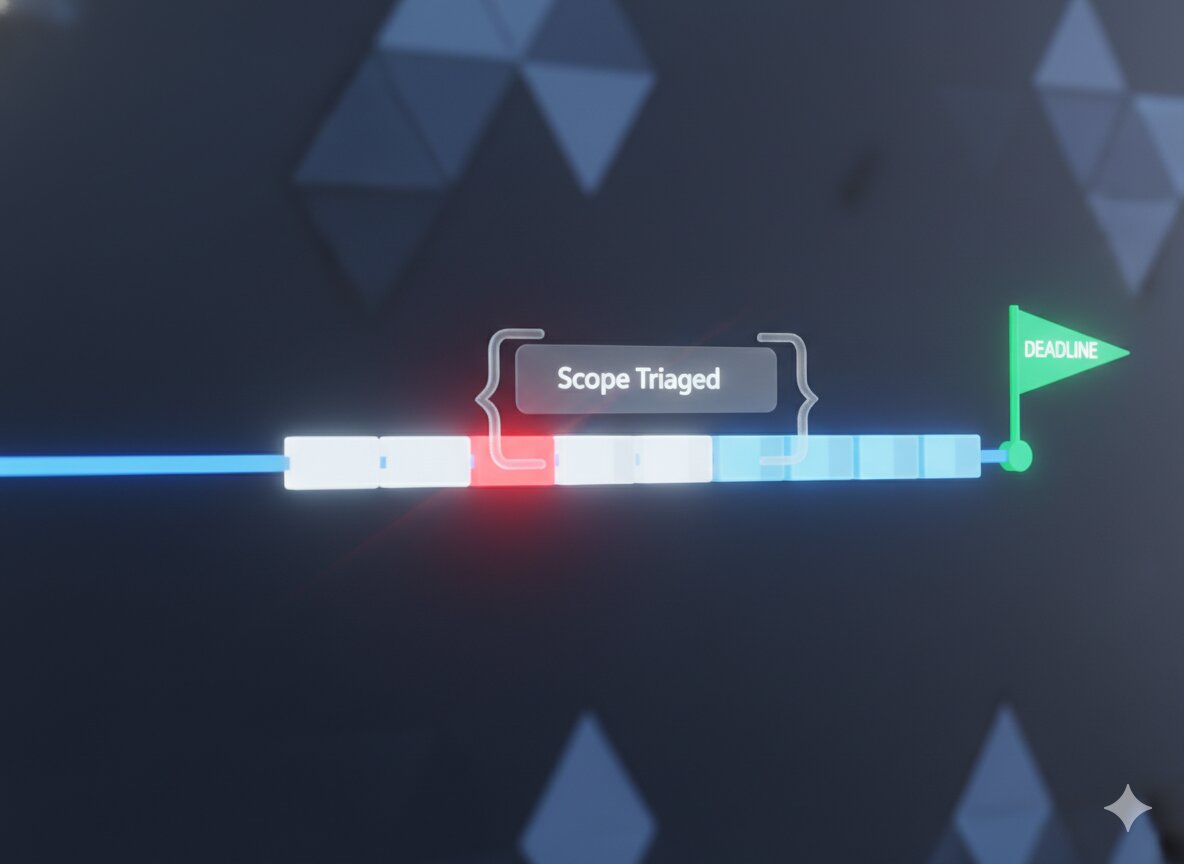
- The Strategy: Never run an all-or-nothing cutover. Define clear milestone parameters that shift traffic incrementally from 1% to 100%.
- The Prompt Pattern: "Create a 4-step progressive traffic routing runbook in Markdown for our microservice deployment. Step 1: Internal QA testing only (0% live). Step 2: 1% Canary routing for external users. Step 3: 10% Regional rollout. Step 4: 100% full production switch. Define strict telemetry thresholds and entry/exit error criteria for each stage."
9. S-ecurity, Compliance, and RBAC Audit
Verify that your decoupled microservice maintains strict parity with enterprise security architectures and data access bounds.
- The Strategy: Programmatically embed OAuth2, JWT verification layers, and fine-grained Role-Based Access Controls (RBAC) directly into your microservice specification.
- The Play: "Security structures are embedded at the service boundary. Before our new microservice processes any live payloads, an automated linting prompt checks our API controller code to confirm that all endpoints actively validate incoming JSON Web Tokens (JWTs) against our corporate identity system, matching exact user access scopes down to the field level."
10. C-ontinuous Monolith Strangling Telemetry Matrix
Track your system decoupling success on a single live dashboard by mapping the systematic drop in monolith compute loads against your rising microservice throughput.
- The Strategy: Combine disparate logs into unified analytics dashboards tracking latency improvements, core database locks, and compute resource savings.
- The Play: "We track migration progress through real-time telemetry. By monitoring our system load balances on a live Datadog dashboard, engineering leadership can visualize a direct 40% reduction in our legacy database row locks and an optimization in API response times as traffic shifts to the modern decoupled layer."
11. A-utomated Backfill and Re-sync Orchestration
Draft self-executing remediation workers to catch up and repair data state drifts if a rollout phase encounters a glitch and triggers a rollback.
- The Strategy: Build automated data-repair engines that reconcile data states via event streams if you are forced to pivot traffic back to the old monolith.
- The Play: "If an unexpected performance spike forces us to roll back our routing gateway to the monolith, we execute an automated re-sync script. The worker loops through our event log topics, identifies all delta updates made while the microservice was the system of record, and programmatically applies patching queries to the legacy database to preserve total data integrity."
12. L-ong-Tail Code Scrape and Monolith Cleanup
Permanently delete the deprecated code and legacy tables out of the monolith repo once the microservice handles 100% of live traffic cleanly.
- The Strategy: Avoid leaving "ghost code" in the monolith. Use the AI to scan your original repository and safely identify every redundant line, route, and table that can be scrubbed.
- The Prompt Pattern: "Act as a Code Refactoring Specialist. Review our original monolith routing manifest and database layout: [Insert Configuration Snips]. Based on our 100% successful extraction of the Inventory module, list every specific code block, dead route helper, and database index that can now be safely deleted from the legacy codebase to reduce system bloat."
13. E-nterprise Migration Library Proliferation
Standardize your migration proxies, data sync configurations, and prompt structures into an internal architectural framework to scale across the company.
- The Strategy: Document the successful decoupling patterns in a shared template repository, allowing any engineering team in the company to strangle their legacy modules efficiently.
- The Play: "We turn our migration expertise into a reusable platform template. By storing our exact gateway proxy scripts, Kafka schemas, and AI code generation templates inside an internal architecture repository, we provide other business squads with a repeatable blueprint to dismantle their legacy systems, boosting engineering velocity company-wide."
The Comparison: Bad vs. Good
- Bad Answer: "I would approve a 12-month feature freeze so our team can write a fresh microservices platform from scratch. Once it's completely ready, we'll schedule a weekend maintenance window, run manual data sync scripts, and do a complete hard cutover of all user traffic at midnight." (Extremely high risk of failure, stalls business growth, guarantees hidden bugs, and creates massive operational friction).
- Good Answer: "I will de-risk our legacy modernization by deploying the STRANGLE-SCALE framework—applying the Strangler Fig Pattern to intercept system traffic via an API gateway, utilizing Generative AI to identify domain boundaries and generate modern microservice boilerplates, establishing real-time CDC data streams, and running progressive feature-flagged rollouts with zero system downtime." (Highly strategic, architecturally sophisticated, data-resilient, and business-enabling).
















































.png)
.png)
.png)
.jpg)
.jpg)