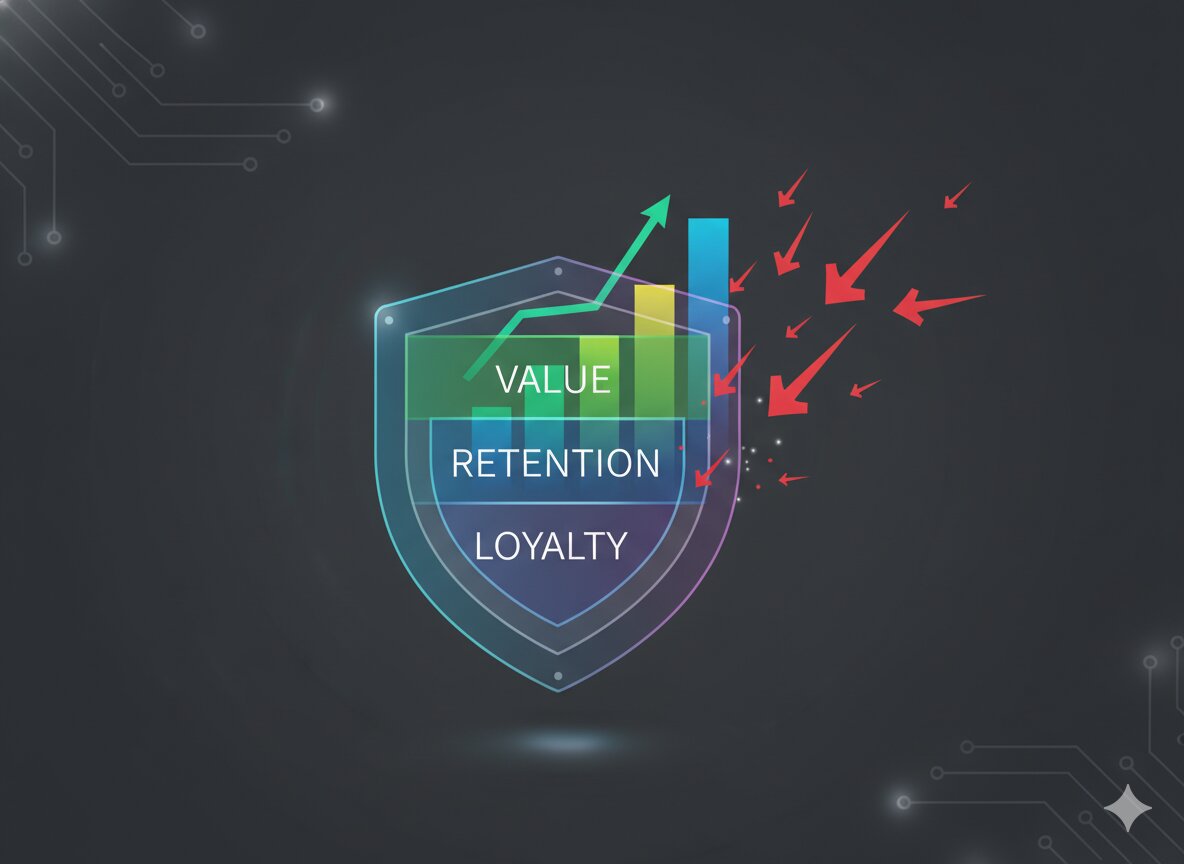
"Analysis Paralysis" is Killing Your Program: How to Master 'Bias for Action' in Interviews and Real Life

Stop planning and start shipping. Learn how to master 'Bias for Action'—the #1 trait Amazon and Google look for in Program Managers. We break down the 'Two-Way Door' framework and the 70% Rule to help you ace the execution interview.

Introduction

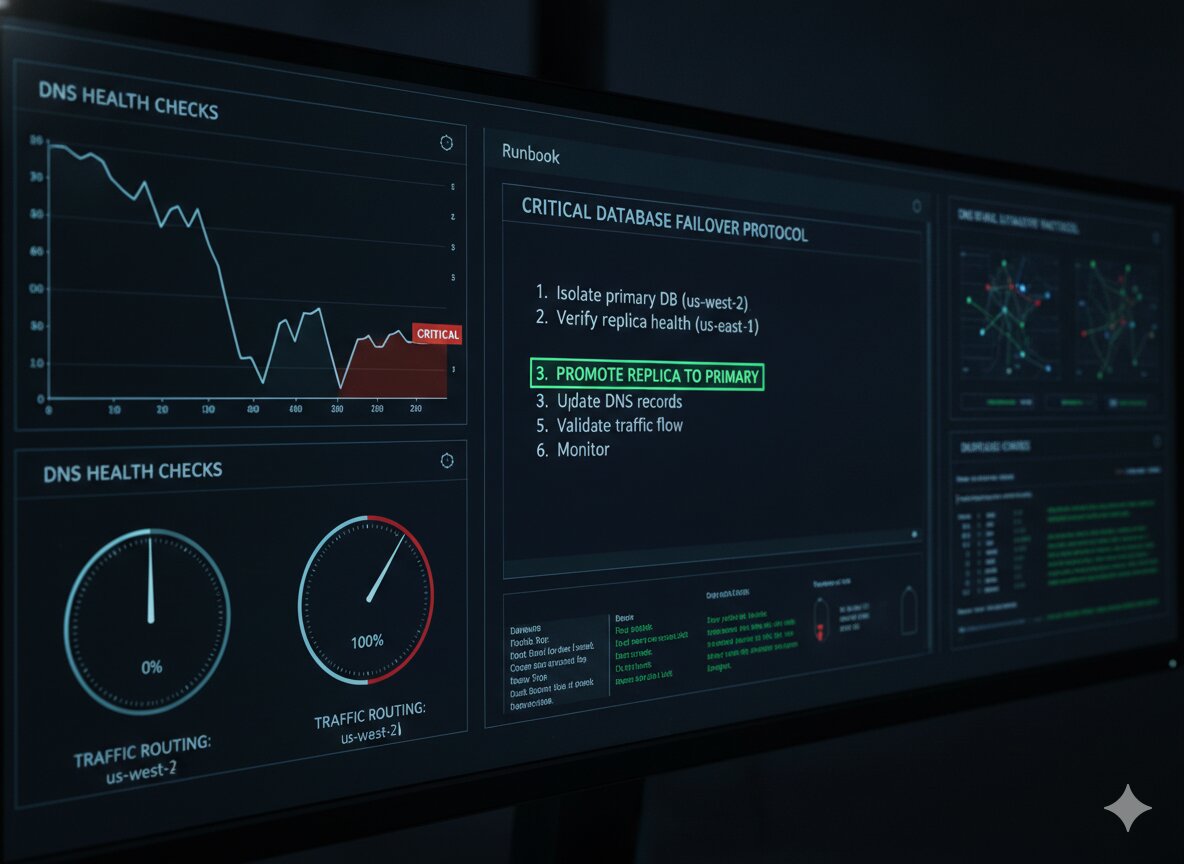
But in a TPM or PgM interview at Amazon, Google, or Netflix, this "perfect planning" might actually cost you the job.

Why? Because modern tech companies value Bias for Action over perfect planning. They know that in software, you can never know everything.

The interviewer will ask: "Tell me about a time you had to make a high-stakes decision with incomplete data."

If your answer is, "I waited until I gathered more data," you fail.If your answer is, "I used the 70% rule to make a calculated bet," you’re hired.

In this post, we’ll explore how to stop overthinking and start executing—and how to frame this critical skill in your next interview.

The Trap: The "Perfect Plan" Fallacy

Junior Program Managers think their job is to prevent failure through planning.Senior Program Managers know their job is to navigate failure through execution.

Spending weeks on a "perfect" plan for a software project is wasted time because the requirements will change. The "Art of Program Execution" isn't about avoiding the fog; it's about learning to drive through it.

The Framework: How to Act When You Don't Know Everything

When answering the "incomplete data" interview question, use this 3-part framework to show you have strategic judgment, not just recklessness.

1. The "Two-Way Door" Assessment (The Amazon Principle)

First, determine the reversibility of the decision.

  • One-Way Door: If we do this, we can't go back (e.g., publicly launching a hardware product, deleting a database). These require 90% information.
  • Two-Way Door: If we screw up, we can roll back (e.g., launching a beta feature, changing a UI color, internal process change). These only require 70% information.

Your Interview Soundbite: "I realized this was a 'Two-Way Door' decision. If the new API failed, we could roll back to the old one in 15 minutes. Therefore, the cost of waiting for perfect data was higher than the cost of trying and failing."

2. The 70% Rule

Jeff Bezos famously said most decisions should be made with around 70% of the information you wish you had. If you wait for 90%, you’re too slow.

  • Action: In your story, explain what the "missing 30%" was (e.g., "We didn't know exactly how many users would click...") and why you moved forward anyway (e.g., "...but we knew the server load would hold, so we launched to 5% of traffic to get that data").

3. The "MVP Process"

Don't just apply MVP (Minimum Viable Product) to code; apply it to your Program Management.

  • Instead of spending a month designing the perfect Jira workflow, implement a "Good Enough" spreadsheet today.
  • The Lesson: Value iterations over perfection.

Why "Bias for Action" Matters for TPMs

Technical programs often stall because engineers are perfectionists. They want to refactor the code one more time.

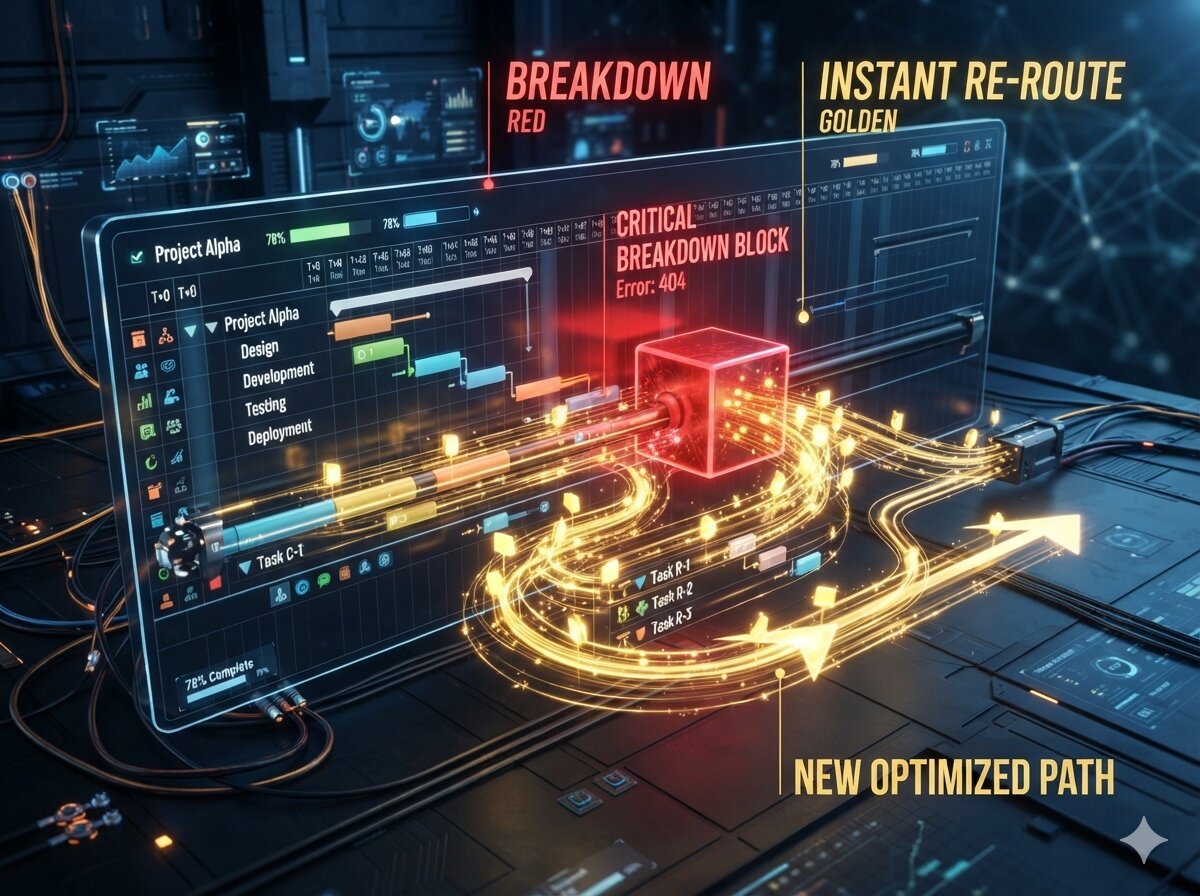
As a TPM, your job is to be the forcing function for delivery

Shutterstock

. You need to be the one who says, "This architecture isn't perfect, but it scales to 100k users. Let's ship it, learn, and refactor later."

Stop Thinking. Start Preparing.

"Bias for Action" is one of the hardest competencies to prove because it requires confidence.

Our Art of Program Execution (TPM) Kit and Mastering Product Management Guide provide:

  • Behavioral Story Banks: Specific examples of "Bias for Action" stories that have worked in FAANG interviews.
  • Risk Management Frameworks: How to calculate when it's safe to move fast.
  • The Amazon Leadership Principles: A deep dive into how to answer "Have Backbone; Disagree and Commit" and "Bias for Action."

Don't let overthinking kill your interview chances.

👉 Get the TPM Prep Kit or Get the PM Prep Guide today.

FAQs

Q1: Isn't "Bias for Action" just being reckless?No. Recklessness is acting without considering risk. Bias for Action is acting despite the risk because you have calculated that the cost of delay is higher. You must show the interviewer you did the risk calculation (Step 1 of the framework).

Q2: How do I answer "Tell me about a time you made a mistake?" using this?This is the perfect pairing! "I used the 70% rule to launch a feature quickly. We made a mistake (the UI was confusing), but because I treated it as a Two-Way Door (a small beta), we fixed it in 24 hours. The speed of our learning outweighed the cost of the error."

Q3: Does this apply to Waterfall projects?Even in Waterfall/Hardware, there are moments for action. You can't change the hardware mold once it's cast (One-Way Door), but you can make fast decisions on the packaging design or the marketing plan (Two-Way Doors).
Read more blogs

"Design Instagram": How to Ace the System Design Interview Without Writing a Single Line of Code
"Analysis Paralysis" is Killing Your Program: How to Master 'Bias for Action' in Interviews and Real Life
What's Your Favorite Product?": Why Saying "The iPhone" Will Fail You (And What to Say Instead)

"How Would You Manage a Data Center Migration?": The 6-Step Framework for Acing the Program Sense Interview
"How Would You Measure the Success of Spotify's Discover Weekly?": Mastering the Metrics Interview with the GAME Framework
"How Many Gas Stations Are in the US?": The Introvert's Guide to Cracking Estimation Questions
"Design TikTok": A 5-Step Framework for Acing the System Design Interview (Even if You Don't Code)
"Should Amazon Enter the Food Delivery Market?": A 7-Step Framework for Acing Product Strategy
Beyond the STAR Method: How to Tell Compelling Stories in Your PM & TPM Interview
Your Metrics Dropped 10%. What Do You Do?": A Guide to Nailing Root Cause Analysis
Beyond "What's Your Favorite Product?": How to Master PM Product Design Questions
Beyond the Hype: The TPM's Playbook for Leading Generative AI Programs
How Technical Program Managers Can Drive Cross-Functional Excellence in 2025
The Future of Technical Program Management: How TPMs Can Thrive in an AI-Driven World
The Rise of AI in Technical Program Management: How TPMs Can Stay Ahead
The Role of Metrics in TPM Interviews: What to Expect and How to Prepare
How to Demonstrate Leadership and Stakeholder Management Skills in a TPM Interview
Top Mistakes to Avoid During a TPM Interview and How to Fix Them
Breaking Down TPM Case Study Questions: Strategies for Success
TPM Leadership in a Hybrid Work Era: Adapting to the New Normal
The Future of Technical Program Management: Trends Shaping 2025
TPMs and Cloud-Native Program Management: Best Practices for 2025
The Growing Demand for TPMs in AI and Machine Learning Programs
Cross-Functional Collaboration Best Practices for TPMs in 2025
The Future of TPM Roles: How AI is Reshaping Program Management
How TPMs Can Use Data Storytelling to Drive Stakeholder Alignment
How to Navigate a TPM Career Path Across Different Industries
How TPMs Can Leverage AI to Drive Program Efficiency
How to Build Influence Without Authority as a Technical Program Manager
Mastering TPM Interview Loops: What to Expect at Each Stage
Breaking Into AI Product Development as a Technical Program Manager
Driving Cross-Functional Alignment: The TPM’s Superpower
How TPMs Can Leverage AI to Drive Program Efficiency
How TPMs Can Drive Engineering Productivity Without Micromanaging
Mastering Cross-Functional Alignment: A TPM’s Guide to Driving Collaboration
TPMs and AI Programs: Driving Impact in the Age of Artificial Intelligence
The Rise of Platform TPMs: What You Need to Know
How TPMs Can Drive AI and Machine Learning Initiatives
How to Navigate Ambiguity as a Technical Program Manager
Building Technical Depth as a TPM: Why It Matters and How to Do It
Thriving as a Remote Technical Program Manager: Strategies for Virtual Leadership
How TPMs Can Drive Organizational Change Through Strategic Program Management
Navigating AI Integration Projects as a Technical Program Manager
Mock Interview Practices for TPMs: How to Get Constructive Feedback and Improve
Expert Guidance on Navigating TPM Interviews for Entry-Level to Senior Roles
Technical Program Manager Interview Questions You Should Prepare For
Behavioral Interview Preparation: How TPMs Can Showcase Their Problem-Solving and Leadership Skills
Preparing for TPM Interviews at Big Tech Companies: Key Differences and Tips
A Day in the Life of a Technical Program Manager: How to Answer "Tell Me About Yourself"
The Role of Metrics in TPM Interviews: What to Expect and How to Prepare
How to Demonstrate Leadership and Stakeholder Management Skills in a TPM Interview
Top Mistakes during a TPM Interview and How to Avoid Them
Breaking Down TPM Case Study Questions: Strategies for Success
Effective Communication Strategies for TPMs During Interviews
What Recruiters Look for in a Technical Program Manager Candidate
The Essential Skills Every Technical Program Manager Needs to Crack Interviews
Project Management vs. Program Management: What You Need to Know for TPM Interviews
Mock Interviews for TPMs: How to Practice for Success
Mastering the Technical Program Manager Interview: Before, During, and After
Interview Tips for Technical Program Managers: Mastering Behavioral Questions
How to Build a Winning TPM Resume: Key Focus Areas to Highlight
Your Ultimate Guide: 5 Must-Know Tips for Nailing Your First Job Interview

Transform Your Career with Our Complete Learning Solutions

Discover our diverse offerings, including expert-led courses, free training sessions, and personalized consultation services designed to help you master project management and advance your career with confidence.

FREE Training

Crack your next TPM Interview

From unravelling the intricacies of TPM/PM interview structures to mastering system design to discover the keys to navigating cross-functional collaboration, decoding top interview questions, and fine-tuning your resume and LinkedIn profile, including negotiation frameworks, networking strategies, and much more!

Register Now

Trusted by over 9,600 students

Course

30-Day TPM Masterclass

Expect early technical assessments, followed by a focus on strategic thinking, leadership capabilities, and a thorough evaluation of program management proficiency. From engaging self-guided exercises to comprehensive guides, frameworks, and sample answers, our TPM interview preparation covers it all, including practice lessons, updated content, and mock interviews.

Learn More

Trusted by over 9,600 students

Interview Prep Kit

Ultimate TPM Interview Prep Kit

Master TPM interview skills with this comprehensive guide covering system design, program management, and cross-functional collaboration.

Includes real-world scenarios, sample questions, and expert tips for success.

Learn More

Trusted by over 9,600 students

Interview Prep Guide

Complete PM Interview Guide

Master product design, strategy, and leadership with this all-in-one guide for Product Management interviews.

Gain confidence with actionable advice, real-world examples, and tailored mock questions to secure your next PM role.

Learn More

Trusted by over 9,600 students

Consulting

1-on-1 Interview Prep

1-on-1 Interview PreparationGet personalized guidance to ace your next interview with confidence. Our 1-on-1 interview preparation sessions focus on your unique strengths and areas for improvement. From tailored practice questions and feedback to mastering behavioral and technical responses, we ensure you're fully prepared to impress and secure your dream role.

Book a call

Trusted by over 9,600 students

Free Training

Unlock  Free Training

Get access to free training that reveals "How To crack your next TPM INTERVIEW In Just 30 Days!"

Gain exclusive access to expert-led training sessions designed to equip you with the skills, strategies, and confidence to excel in Technical Program Management.

Enroll now

Trusted by over 9,600 students