"Design Instagram": How to Ace the System Design Interview Without Writing a Single Line of Code

Terrified of the System Design interview? Don't be. Learn the 4-step framework to answer 'Design Instagram' without writing code. Master concepts like Load Balancers, Caching, and SQL vs. NoSQL for PM and TPM interviews.

Introduction

You are applying for a Technical Program Manager (TPM) or Product Manager (PM) role. You expect questions about roadmaps and stakeholders.

Then the interviewer hands you a marker and says:"Design a photo-sharing app like Instagram. How would you architect the backend?"

Panic sets in. I’m not a software architect, you think. I haven’t written code in five years.

Here is the good news: They don't want you to write code.

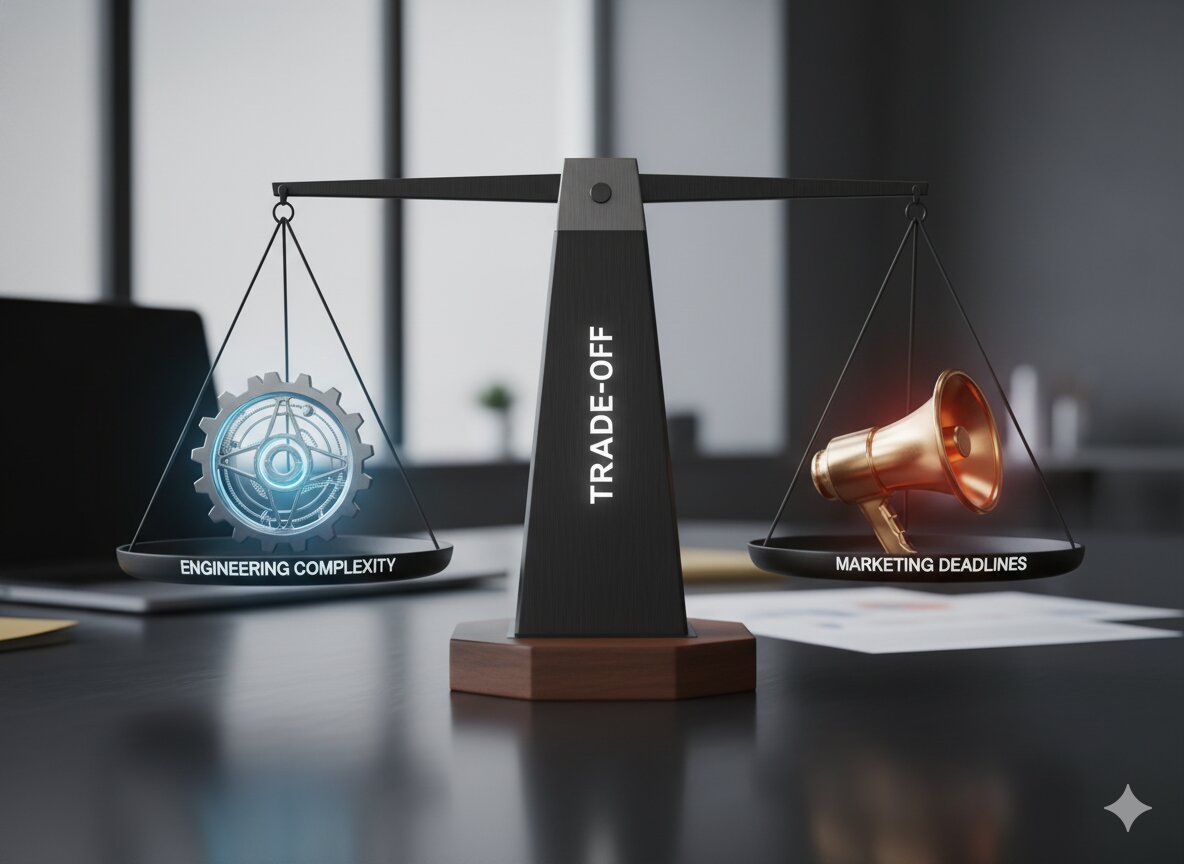
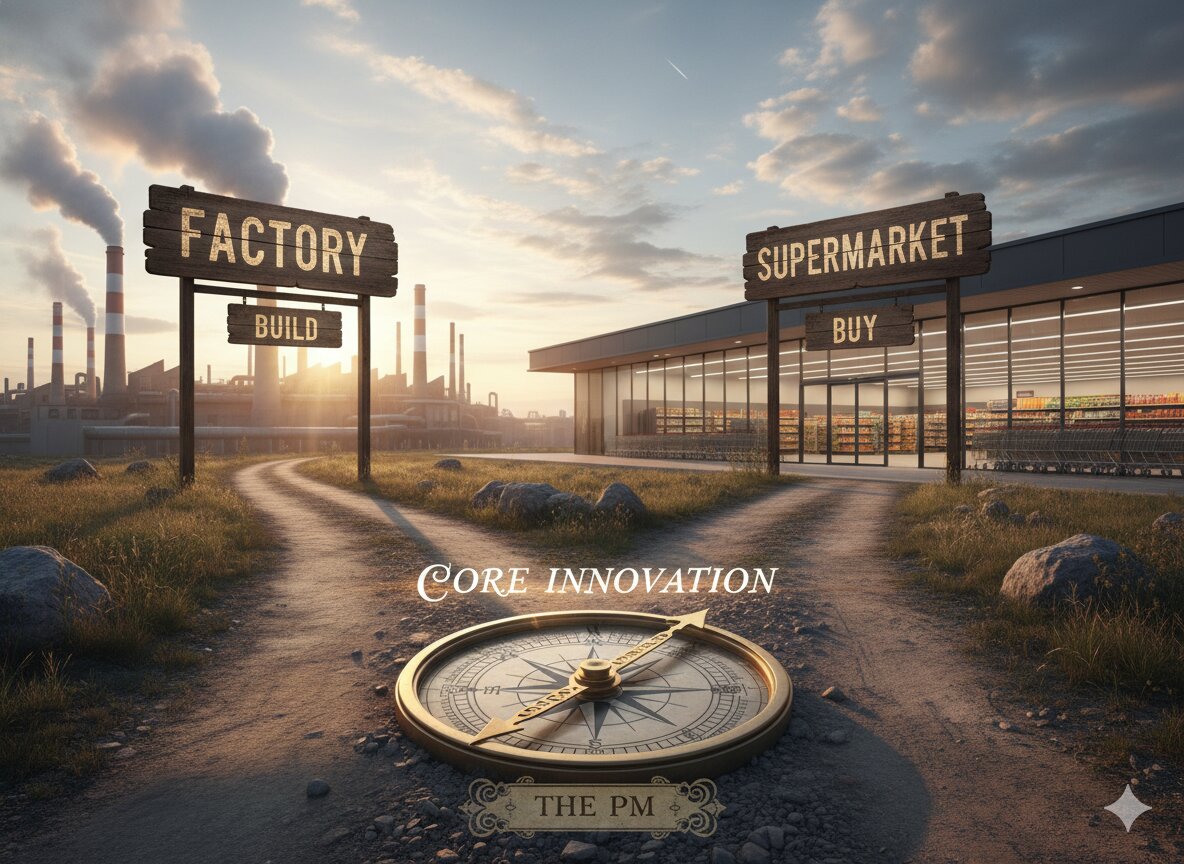
The System Design interview isn't about syntax; it's about Scalability and Trade-offs. They want to know if you can communicate effectively with engineering teams. Can you spot a bottleneck? Do you know when to use a relational database vs. a NoSQL one?

In this post, we’ll breakdown the "High-Level Design" framework to turn this technical nightmare into a structured conversation.

Why They Ask Non-Engineers to Design Systems

If you aren't an engineer, why does Google or Meta ask you this?

  1. Cross-Functional Communication: Can you speak the language of your engineering team?
  2. Feasibility Analysis: When a PM suggests a feature, do you understand the technical cost?
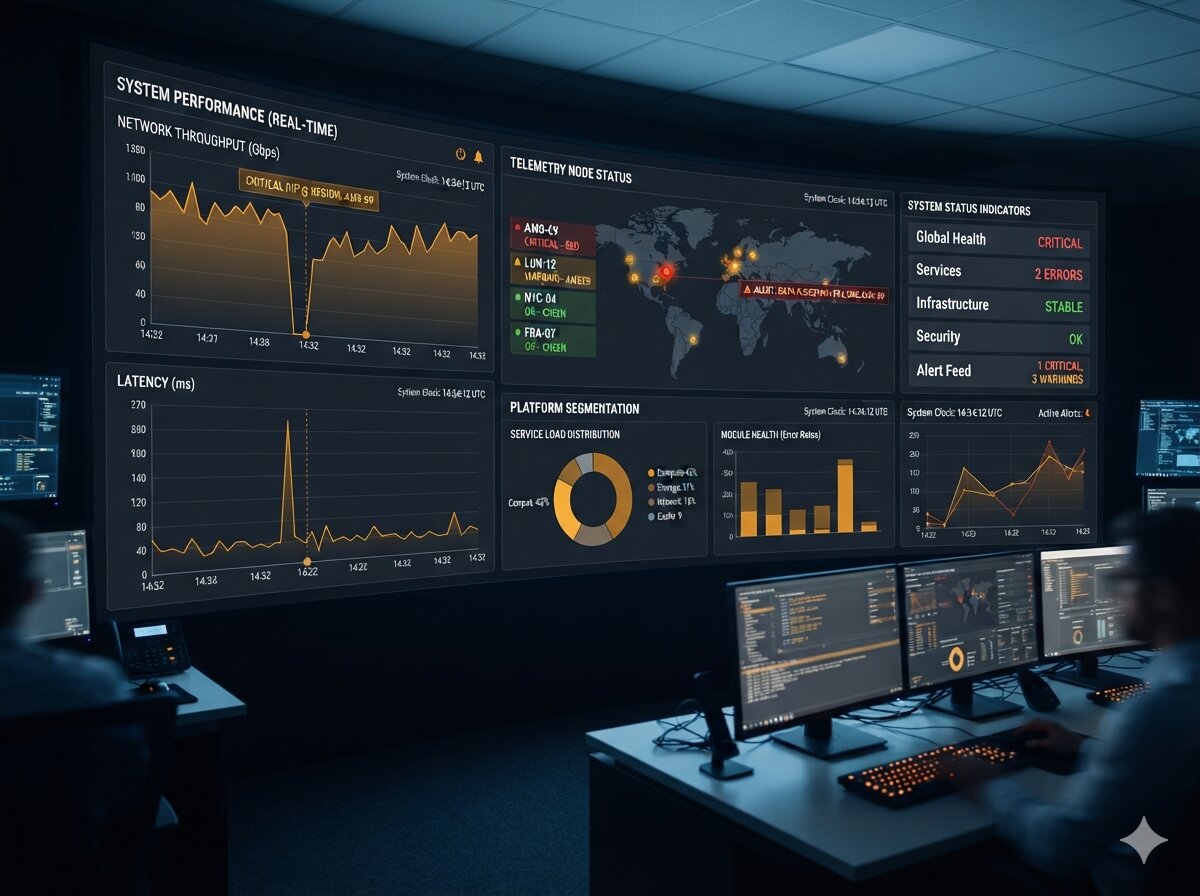
  3. Risk Management: Can you identify if a system will crash on Black Friday?

The 4-Step Framework for System Design

Don't draw random boxes. Use this flow from our Art of Program Execution (TPM) Prep Kit.

Step 1: Requirements (Scope It)

Before drawing, define what the system must do.

  • Functional Requirements: "Users can upload photos, follow users, and view a feed."
  • Non-Functional Requirements: "The system must be highly available (never goes down) and have low latency (photos load fast)."
  • Pro Tip: Ask about scale. "Are we designing for 1,000 users or 100 million?" (The answer changes the design completely).

Step 2: High-Level Architecture (Draw the Flow)

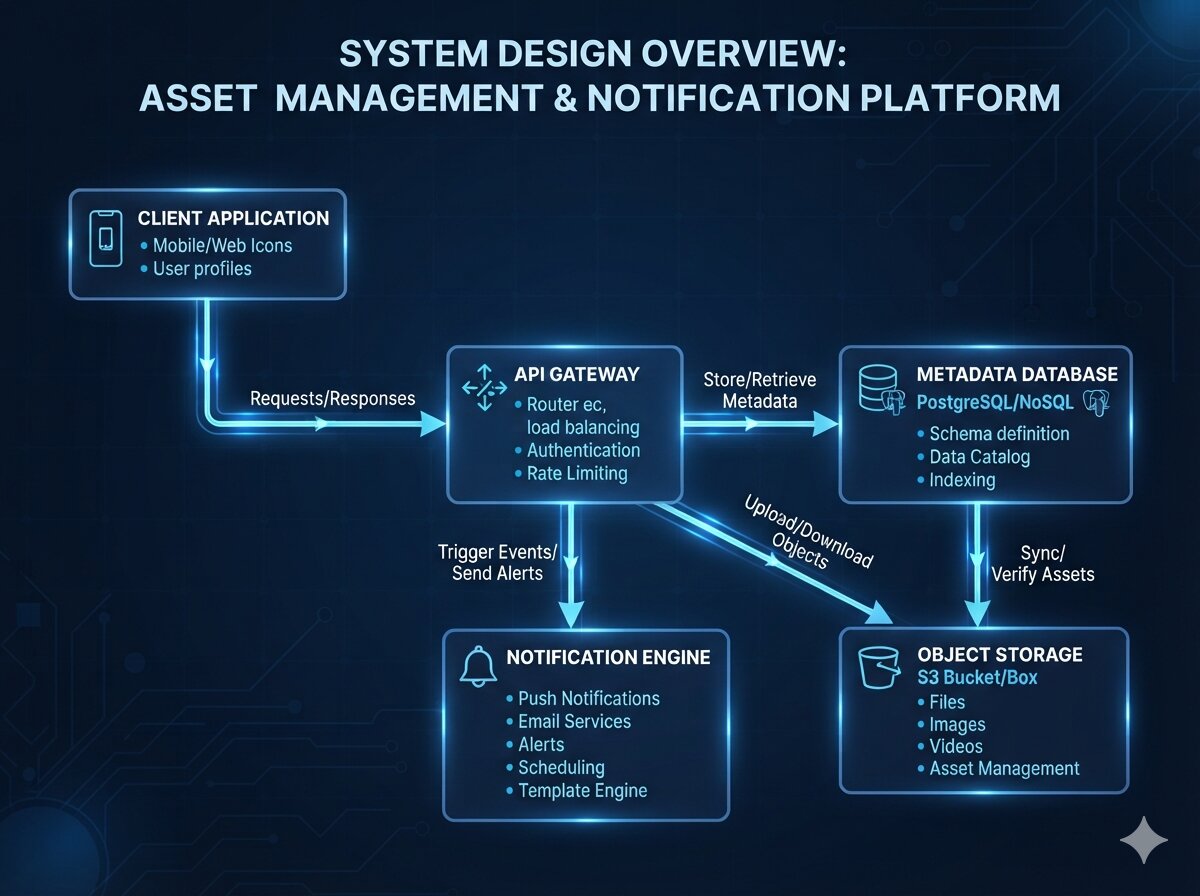
Draw the "Happy Path." Keep it simple.

  1. Client (Mobile App) sends a request.
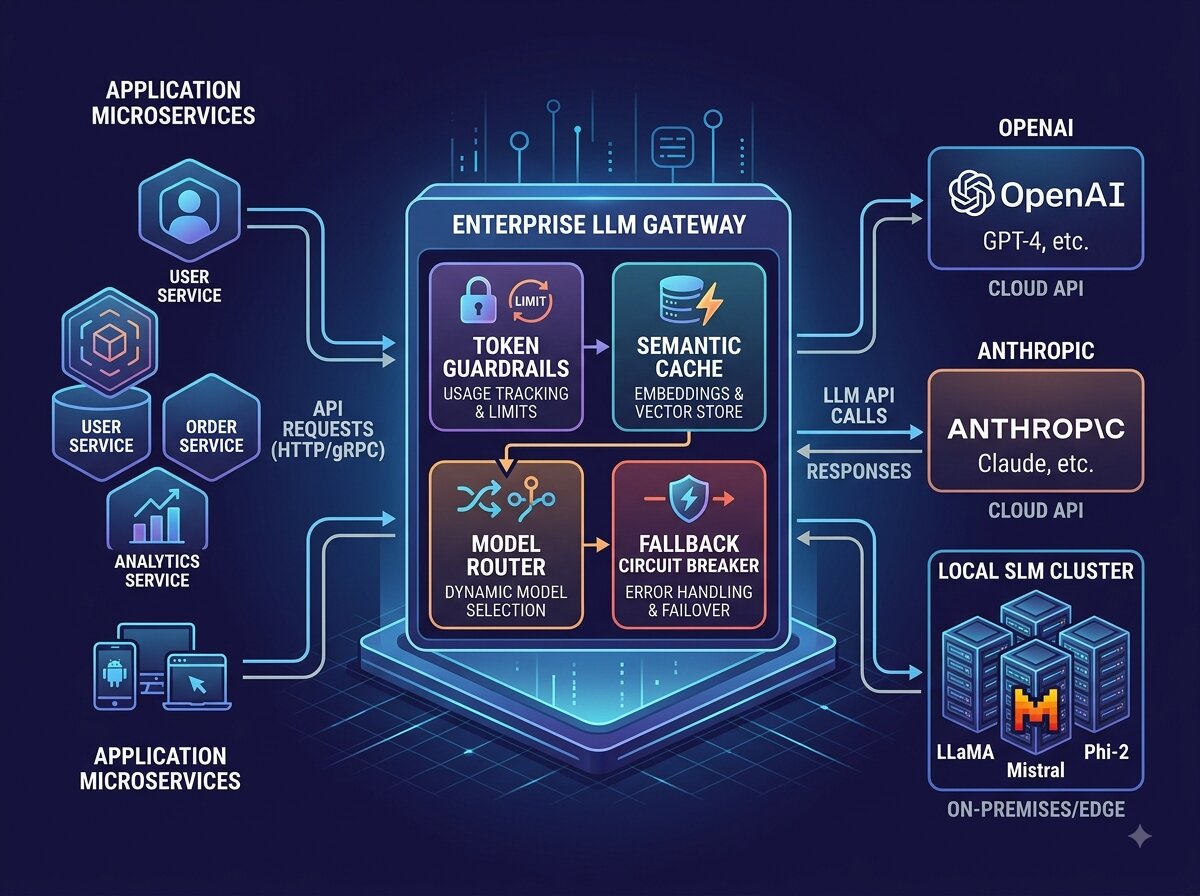
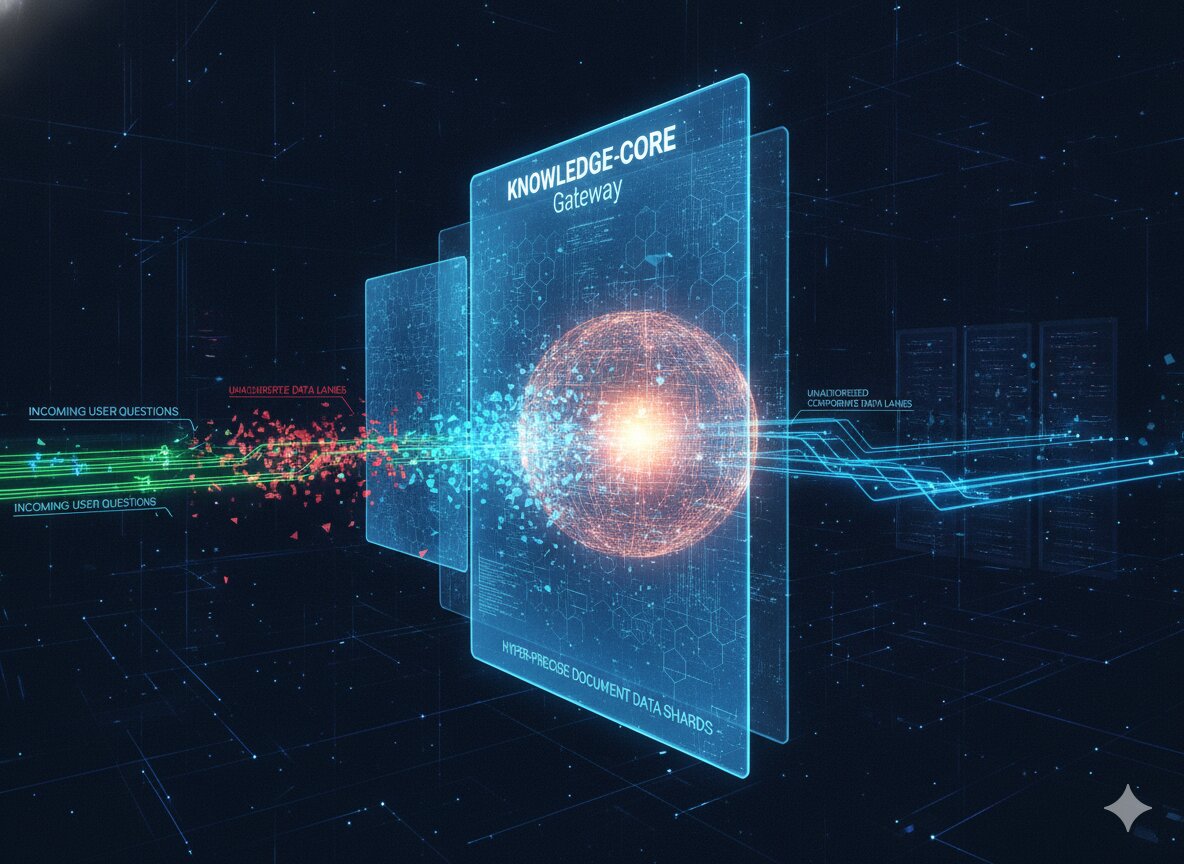
  2. Load Balancer: Distributes traffic so one server doesn't crash.
  3. Web Server: Handles the logic.
  4. Database: Stores the user info.
  5. Blob Storage (S3): Stores the actual photos (Do not store photos in the database!).

Step 3: Data Strategy (SQL vs. NoSQL)

This is where you earn bonus points. You need to choose a database.

  • User Data (Users, metadata): Use a SQL (Relational) database because structured data needs consistency.
  • The Feed/Activity: Use a NoSQL (Graph or Key-Value) database because it scales better for massive amounts of unstructured data.
  • The "Why": Explain the trade-off. "I chose NoSQL for the feed because it offers faster reads at scale, even if we sacrifice a tiny bit of immediate consistency (CAP Theorem)."

Step 4: Bottlenecks & Scaling (The "What If")

The interviewer will say, "Okay, now traffic triples. What breaks?"

  • Caching: "I'd add a Cache (like Redis) between the Server and Database to store frequently viewed photos so we don't hit the database every time."
  • CDN (Content Delivery Network): "I'd use a CDN to store photos closer to users geographically (e.g., a user in India loads the photo from a Mumbai server, not New York)."

The Concepts You Need to Memorize

You don't need to know how to code a Load Balancer, but you need to know what it does.

Our TPM Prep Kit and PM Prep Guide include a "Tech Concepts Cheat Sheet" for non-engineers, covering:

  • CAP Theorem: Why you can't have Consistency, Availability, and Partition Tolerance all at once.
  • Latency vs. Throughput: The speed of the pipe vs. the size of the pipe.
  • Vertical vs. Horizontal Scaling: Buying a bigger computer vs. buying more computers.

Stop Fearing the Whiteboard

The System Design round is often the easiest round to "game" because the questions repeat. "Design Uber," "Design Netflix," and "Design WhatsApp" all use 90% of the same components (Load Balancers, Cache, Database).

Once you learn the pattern, you can answer any of them.

👉 Get the TPM Prep Kit (Includes deep System Design modules) or Get the PM Prep Guide (Includes "Tech Literacy for PMs").

FAQs

Q1: Do I need to write code?No. If an interviewer asks a TPM/PM to write code, it’s usually a miscommunication. Clarify: "I am not a developer, but I can design the High-Level Architecture and discuss data flow. Is that what you're looking for?"

Q2: What is the biggest mistake candidates make?Diving into the database schema too early. Always start with the High-Level Diagram. If you start drawing database tables before you know what the system does, you look like a junior engineer, not a Program Lead.

Q3: How deep do I need to go?For PMs: Understand the components (API, DB, Cloud).For TPMs: Understand the trade-offs (Why use Cassandra vs. Postgres? How does sharding affect reliability?).
Read more blogs

"Design Instagram": How to Ace the System Design Interview Without Writing a Single Line of Code
"Analysis Paralysis" is Killing Your Program: How to Master 'Bias for Action' in Interviews and Real Life
What's Your Favorite Product?": Why Saying "The iPhone" Will Fail You (And What to Say Instead)
"How Would You Manage a Data Center Migration?": The 6-Step Framework for Acing the Program Sense Interview
"How Would You Measure the Success of Spotify's Discover Weekly?": Mastering the Metrics Interview with the GAME Framework
"How Many Gas Stations Are in the US?": The Introvert's Guide to Cracking Estimation Questions
"Design TikTok": A 5-Step Framework for Acing the System Design Interview (Even if You Don't Code)
"Should Amazon Enter the Food Delivery Market?": A 7-Step Framework for Acing Product Strategy
Beyond the STAR Method: How to Tell Compelling Stories in Your PM & TPM Interview
Your Metrics Dropped 10%. What Do You Do?": A Guide to Nailing Root Cause Analysis
Beyond "What's Your Favorite Product?": How to Master PM Product Design Questions
Beyond the Hype: The TPM's Playbook for Leading Generative AI Programs
How Technical Program Managers Can Drive Cross-Functional Excellence in 2025
The Future of Technical Program Management: How TPMs Can Thrive in an AI-Driven World
The Rise of AI in Technical Program Management: How TPMs Can Stay Ahead
The Role of Metrics in TPM Interviews: What to Expect and How to Prepare
How to Demonstrate Leadership and Stakeholder Management Skills in a TPM Interview
Top Mistakes to Avoid During a TPM Interview and How to Fix Them
Breaking Down TPM Case Study Questions: Strategies for Success
TPM Leadership in a Hybrid Work Era: Adapting to the New Normal
The Future of Technical Program Management: Trends Shaping 2025
TPMs and Cloud-Native Program Management: Best Practices for 2025
The Growing Demand for TPMs in AI and Machine Learning Programs
Cross-Functional Collaboration Best Practices for TPMs in 2025
The Future of TPM Roles: How AI is Reshaping Program Management
How TPMs Can Use Data Storytelling to Drive Stakeholder Alignment
How to Navigate a TPM Career Path Across Different Industries
How TPMs Can Leverage AI to Drive Program Efficiency
How to Build Influence Without Authority as a Technical Program Manager
Mastering TPM Interview Loops: What to Expect at Each Stage
Breaking Into AI Product Development as a Technical Program Manager
Driving Cross-Functional Alignment: The TPM’s Superpower
How TPMs Can Leverage AI to Drive Program Efficiency
How TPMs Can Drive Engineering Productivity Without Micromanaging
Mastering Cross-Functional Alignment: A TPM’s Guide to Driving Collaboration
TPMs and AI Programs: Driving Impact in the Age of Artificial Intelligence
The Rise of Platform TPMs: What You Need to Know
How TPMs Can Drive AI and Machine Learning Initiatives
How to Navigate Ambiguity as a Technical Program Manager
Building Technical Depth as a TPM: Why It Matters and How to Do It
Thriving as a Remote Technical Program Manager: Strategies for Virtual Leadership
How TPMs Can Drive Organizational Change Through Strategic Program Management
Navigating AI Integration Projects as a Technical Program Manager
Mock Interview Practices for TPMs: How to Get Constructive Feedback and Improve
Expert Guidance on Navigating TPM Interviews for Entry-Level to Senior Roles
Technical Program Manager Interview Questions You Should Prepare For
Behavioral Interview Preparation: How TPMs Can Showcase Their Problem-Solving and Leadership Skills
Preparing for TPM Interviews at Big Tech Companies: Key Differences and Tips
A Day in the Life of a Technical Program Manager: How to Answer "Tell Me About Yourself"
The Role of Metrics in TPM Interviews: What to Expect and How to Prepare
How to Demonstrate Leadership and Stakeholder Management Skills in a TPM Interview
Top Mistakes during a TPM Interview and How to Avoid Them
Breaking Down TPM Case Study Questions: Strategies for Success
Effective Communication Strategies for TPMs During Interviews
What Recruiters Look for in a Technical Program Manager Candidate
The Essential Skills Every Technical Program Manager Needs to Crack Interviews
Project Management vs. Program Management: What You Need to Know for TPM Interviews
Mock Interviews for TPMs: How to Practice for Success
Mastering the Technical Program Manager Interview: Before, During, and After
Interview Tips for Technical Program Managers: Mastering Behavioral Questions
How to Build a Winning TPM Resume: Key Focus Areas to Highlight
Your Ultimate Guide: 5 Must-Know Tips for Nailing Your First Job Interview

Transform Your Career with Our Complete Learning Solutions

Discover our diverse offerings, including expert-led courses, free training sessions, and personalized consultation services designed to help you master project management and advance your career with confidence.

FREE Training

Crack your next TPM Interview

From unravelling the intricacies of TPM/PM interview structures to mastering system design to discover the keys to navigating cross-functional collaboration, decoding top interview questions, and fine-tuning your resume and LinkedIn profile, including negotiation frameworks, networking strategies, and much more!

Register Now

Trusted by over 9,600 students

Course

30-Day TPM Masterclass

Expect early technical assessments, followed by a focus on strategic thinking, leadership capabilities, and a thorough evaluation of program management proficiency. From engaging self-guided exercises to comprehensive guides, frameworks, and sample answers, our TPM interview preparation covers it all, including practice lessons, updated content, and mock interviews.

Learn More

Trusted by over 9,600 students

Interview Prep Kit

Ultimate TPM Interview Prep Kit

Master TPM interview skills with this comprehensive guide covering system design, program management, and cross-functional collaboration.

Includes real-world scenarios, sample questions, and expert tips for success.

Learn More

Trusted by over 9,600 students

Interview Prep Guide

Complete PM Interview Guide

Master product design, strategy, and leadership with this all-in-one guide for Product Management interviews.

Gain confidence with actionable advice, real-world examples, and tailored mock questions to secure your next PM role.

Learn More

Trusted by over 9,600 students

Consulting

1-on-1 Interview Prep

1-on-1 Interview PreparationGet personalized guidance to ace your next interview with confidence. Our 1-on-1 interview preparation sessions focus on your unique strengths and areas for improvement. From tailored practice questions and feedback to mastering behavioral and technical responses, we ensure you're fully prepared to impress and secure your dream role.

Book a call

Trusted by over 9,600 students

Free Training

Unlock  Free Training

Get access to free training that reveals "How To crack your next TPM INTERVIEW In Just 30 Days!"

Gain exclusive access to expert-led training sessions designed to equip you with the skills, strategies, and confidence to excel in Technical Program Management.

Enroll now

Trusted by over 9,600 students