"How Would You Manage a Data Center Migration?": The 6-Step Framework for Acing the Program Sense Interview
Introduction
You’re in a TPM interview at Google or Meta. The interviewer asks:
"We need to migrate 50% of our traffic to a new cloud provider in 6 months. How would you manage this program?"
Or: "Design a program to launch a new hardware product."
This is the Program Sense interview . It’s the TPM equivalent of the "Product Design" question. It tests your ability to take a massive, ambiguous objective and turn it into a structured, executable machine.
Most candidates fail because they jump straight to tactics: "I'd set up a Jira board!" or "I'd schedule a daily standup!"
That’s not program management; that’s administrative work. To ace this interview, you need to demonstrate strategic end-to-end ownership. In this post, we’ll teach you the 6-step framework to design a program from scratch.
The 6-Step Program Sense Framework
When you get a "Design a Program" question, walk the interviewer through these phases. This framework is derived directly from our Art of Program Execution (TPM) Prep Kit.
Step 1: Goal Setting & Requirements (The "Why")
Don't move a single server until you know why. Define SMART goals (Specific, Measurable, Achievable, Relevant, Time-bound) .
- "First, I need to align on the goal. Is the goal of this migration to save cost, improve latency, or increase reliability?"
- "Next, I'll gather requirements. We need Functional Requirements (e.g., 'Must support X queries per second') and Non-Functional Requirements (e.g., 'Zero downtime during transition')."
Step 2: Identify Stakeholders (The "Who")
Programs die when stakeholders are ignored. Map out your landscape .
- "I would immediately form a Stakeholder Committee. For a migration, I need Engineering Leads (for execution), Product (for impact on users), Legal (for data compliance), and Finance (for budget)."
- Pro-Tip: Mention that you will interview them individually to understand their fears and priorities.
Step 3: Risk Assessment (The "What If")
This is where senior TPMs shine. Identify the "killers" early .
- *"Before we start, I'd run a pre-mortem to identify risks.
- Technical Risk: Data corruption during transfer.
- Operational Risk: The new provider has lower throughput than expected.
- Resource Risk: We don't have enough engineers trained on the new cloud stack."*
Step 4: Timeline & Critical Path (The "When")
Now, build the schedule. Don't just list dates; talk about dependencies .
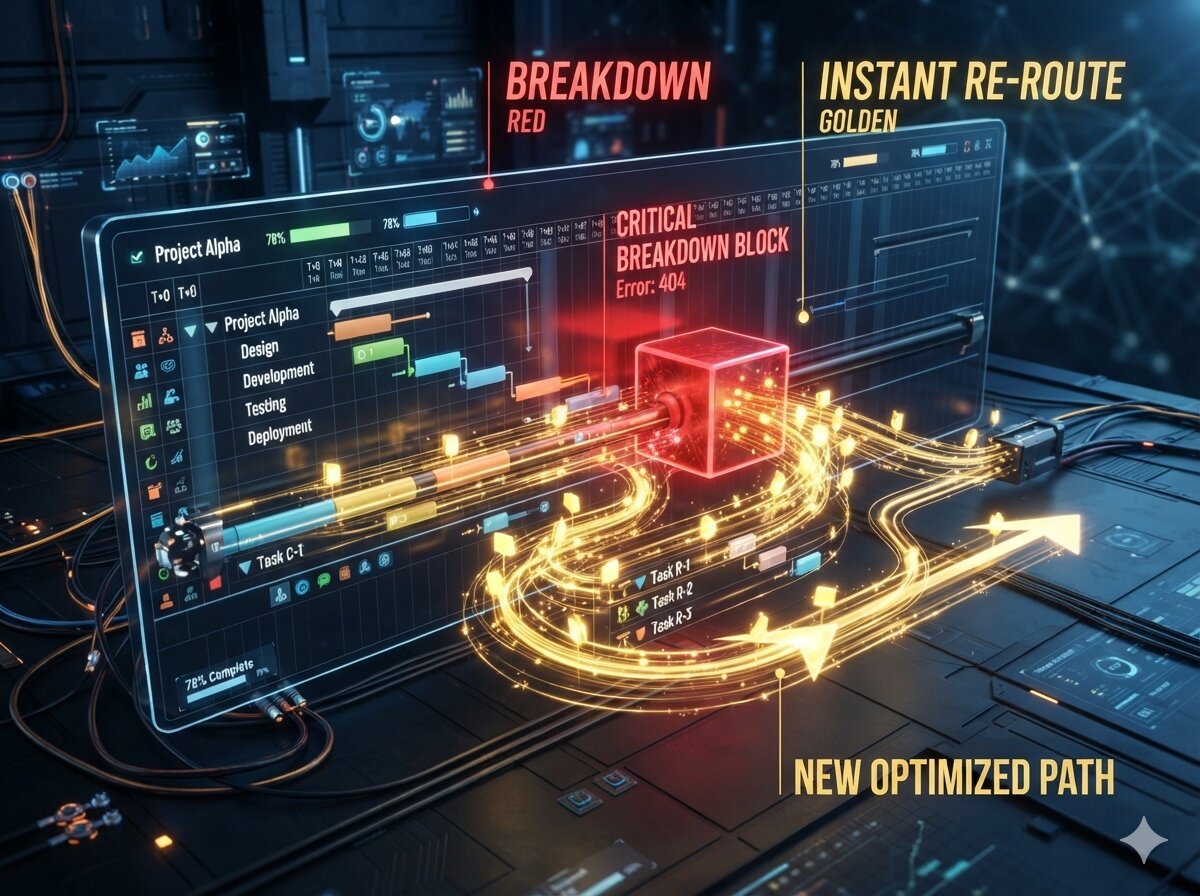
- "I would build a work-back schedule from the launch date. I'd identify the Critical Path—the sequence of tasks that cannot be delayed (e.g., 'Data Schema Validation'). I'd also build in buffer time for the risks we identified in Step 3."
Step 5: Staffing & Resources (The "How")
A plan needs people. Show you understand resource constraints .
- "I'll work with Engineering Managers to secure headcount. If we lack internal expertise on the new cloud provider, I might recommend hiring a consultant or prioritizing training in the first sprint."
Step 6: Communication Strategy (The "Loop")
Finally, how will you keep the train on the tracks? .
- *"I will set up a communication cadence:
- Daily: Standups for the core engineering team to unblock issues.
- Weekly: Status reports for the core team (Red/Yellow/Green status).
- Monthly: Executive steering committee reviews to discuss major risks and budget."*
Move From "Task Manager" to "Program Leader"
Knowing this framework separates a Junior TPM (who schedules meetings) from a Senior TPM (who drives strategy).
Our Art of Program Execution (TPM) Kit goes deeper. It gives you:
- The "Cross-Functional" Playbook: How to handle a conflict between Product and Engineering .
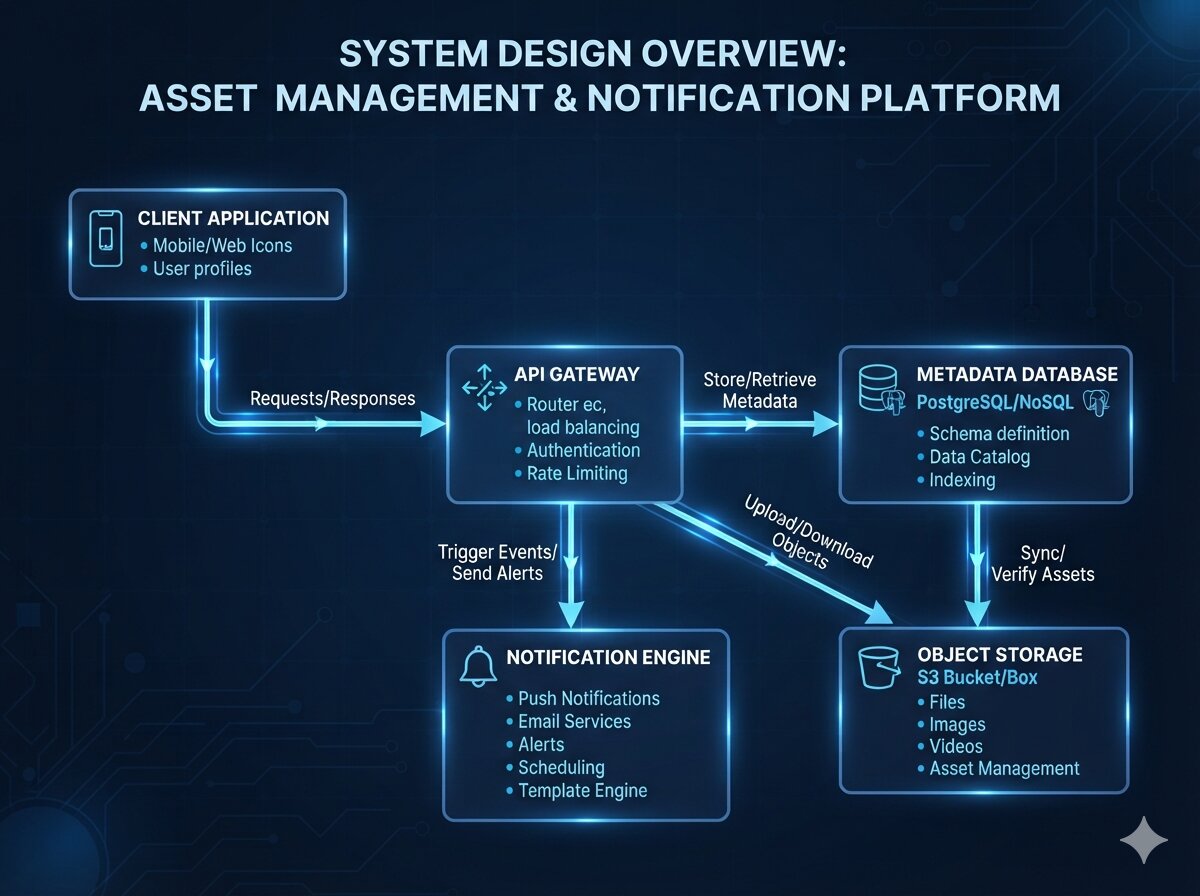
- System Design for TPMs: How to discuss the technical trade-offs of that data center migration .
- Agile vs. Waterfall vs. Kanban: When to use which methodology for your program .
Stop hoping you get an easy question. Master the framework for the hard ones.
👉 Get the TPM Prep Kit today and lead with confidence.
FAQs
Q1: How technical does my answer need to be?It depends on the role, but for a TPM, you must understand the implications of the tech. You don't need to write the migration script, but you must know that "data consistency" is a major risk in a migration and prioritize testing for it .
Q2: What is the most important step?Step 1 (Goals) and Step 3 (Risks). If you get the goal wrong, the program fails. If you miss a major risk, the program crashes. Junior candidates rush to the Timeline (Step 4); Senior candidates dwell on Risks .
Q3: Can I use this framework for non-technical programs?Absolutely. Whether you are launching a marketing campaign or a diversity initiative, the steps remain: Define Goal -> Identify Stakeholders -> Assess Risks -> Build Timeline -> Resource It -> Communicate.


















.jpg)