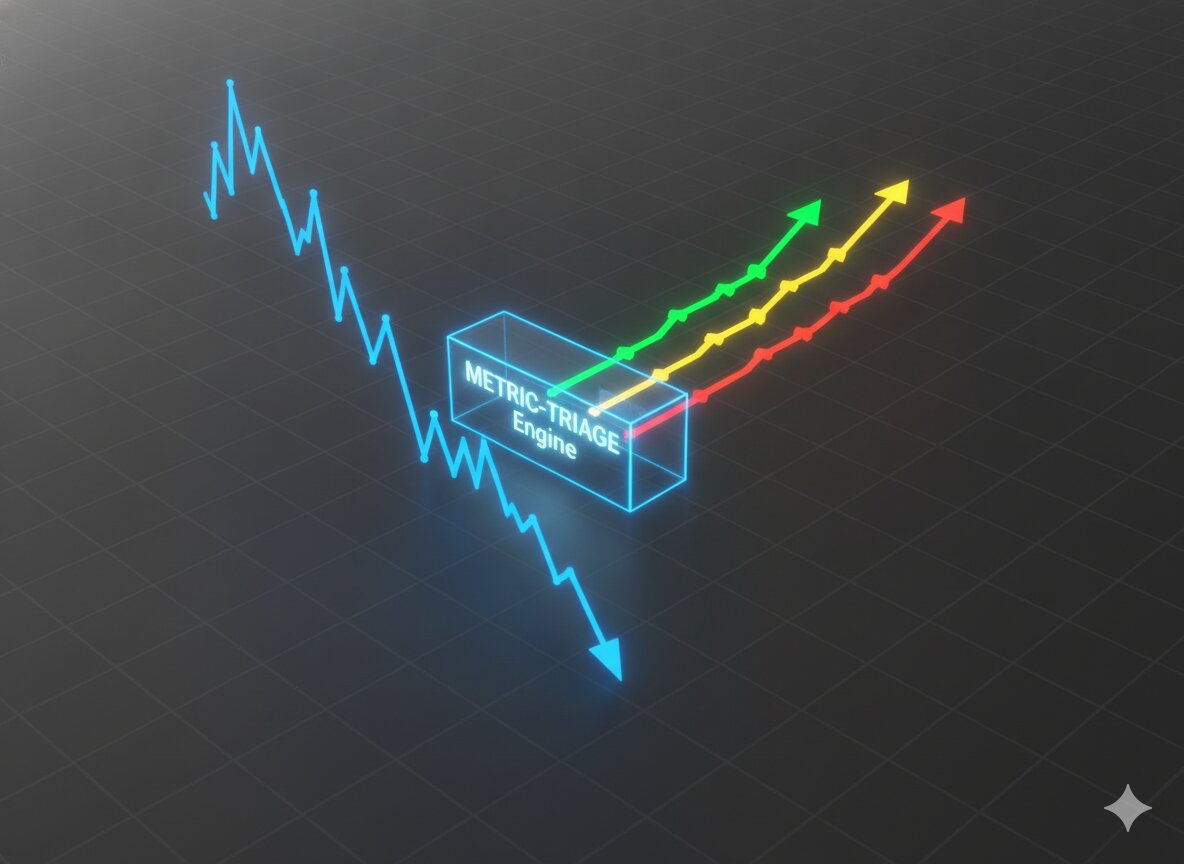
YouTube Watch Time Dropped 10%. Why?": How to Ace the Root Cause Analysis Interview
Introduction
You sit down. The interviewer looks at you and says:"Yesterday, watch time on YouTube dropped by 10%. Determine the cause."
That’s it. No context. No clues.
Panic sets in. Your brain starts guessing: "Is it TikTok? Is it the server? Did a celebrity die?"
Stop guessing.
This is the Root Cause Analysis (RCA) or Execution interview. It tests your analytical thinking. Interviewers don’t care about the actual answer (it’s usually hypothetical); they care about your investigation process.
If you start listing random reasons, you fail. If you act like a methodical detective, you get hired.
In this post, we’ll break down the "Divide and Conquer" Framework to solve any metric drop question.
The "Divide and Conquer" Framework
Imagine you are a doctor. A patient says, "I hurt." You don't immediately schedule surgery. You ask, "Where? Since when? Did you eat something weird?"
Use this step-by-step flow:
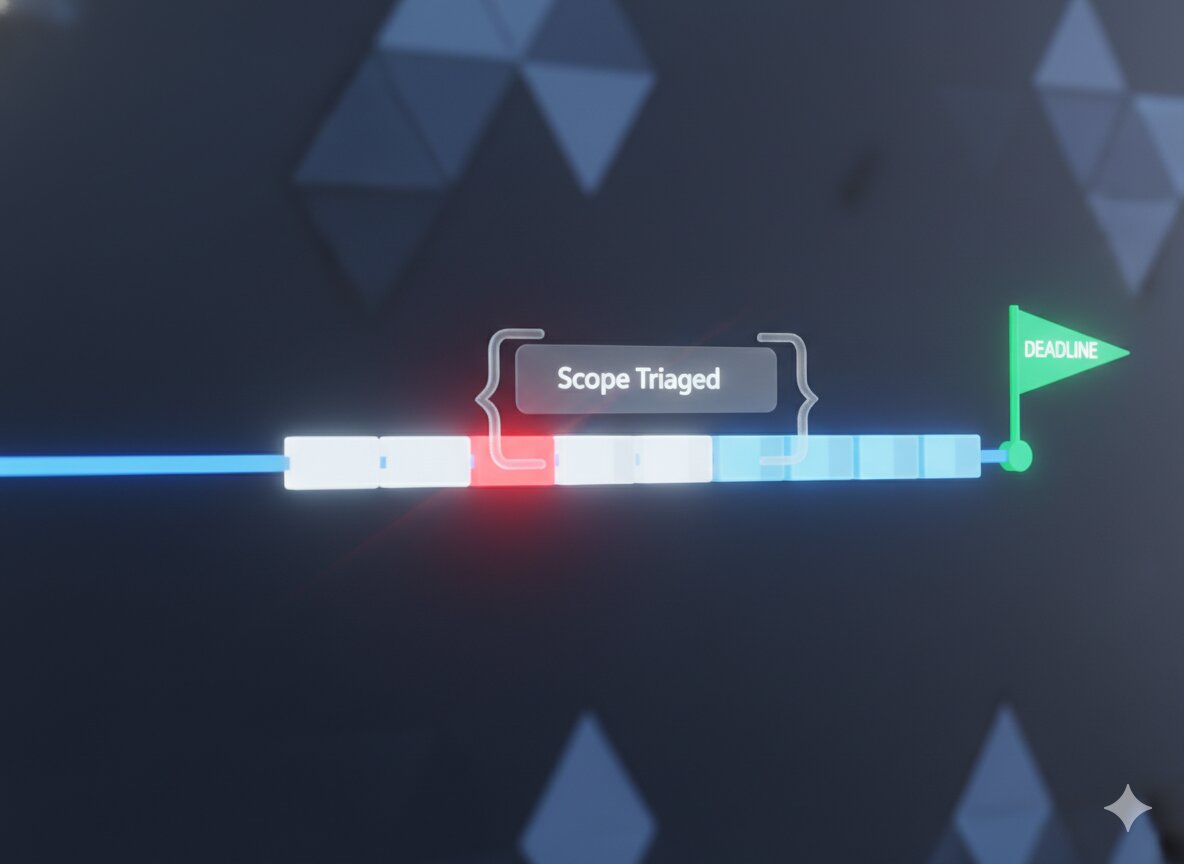
1. Clarify the Scope (The "What")
Don't solve a problem you don't understand.
- Time: "Did this happen suddenly (spike) or gradually (trend)?" (Sudden = bug; Gradual = competitor).
- Metric: "Is it Total Watch Time or Average Watch Time per User?"
- Scope: "Is this happening globally or in a specific region?"
2. Sanity Check (The "Is it Real?")
Before you blame the product, blame the data.
- Question: "Is the data correct? Or is our logging tool broken?"
- Pro Tip: 20% of the time, the answer is "The dashboard is broken." If you skip this, you look foolish.
3. Segment the Data (The "Slice and Dice")
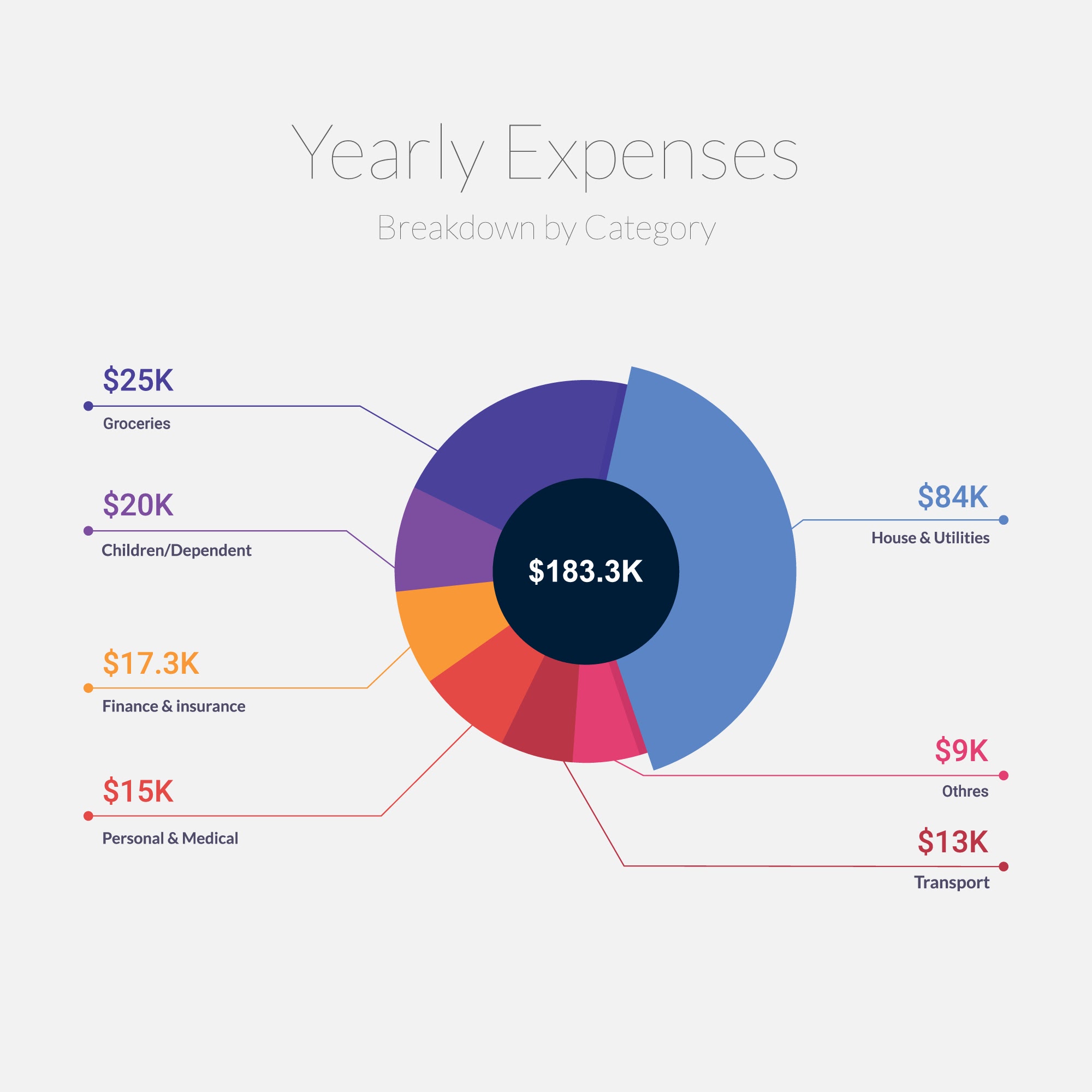
This is the core of the interview. You need to isolate the variable. Segment the drop by:
- Platform: iOS vs. Android vs. Web. (If it's only iOS, it's likely the new app update).
- Geography: US vs. India vs. Europe. (If it's only India, maybe there's a localized internet outage).
- User Type: Free users vs. Premium users.
Shutterstock
4. Internal Factors (The "Did We Break It?")
If the drop is isolated (e.g., "Only on Android"), look internally.
- Releases: "Did we ship a new build yesterday?"
- Changes: "Did we change the recommendation algorithm?"
- Bugs: "Are crash rates up?"
5. External Factors (The "Did the World Change?")
If the drop is global and across all platforms, look externally.
- Seasonality: "Is it a holiday? (People watch less YouTube on Christmas Day)."
- Competition: "Did a competitor launch a huge feature?"
- Events: "Is there a massive power outage or internet ban in a major country?"
The TPM Version: The "Sev1 Incident"
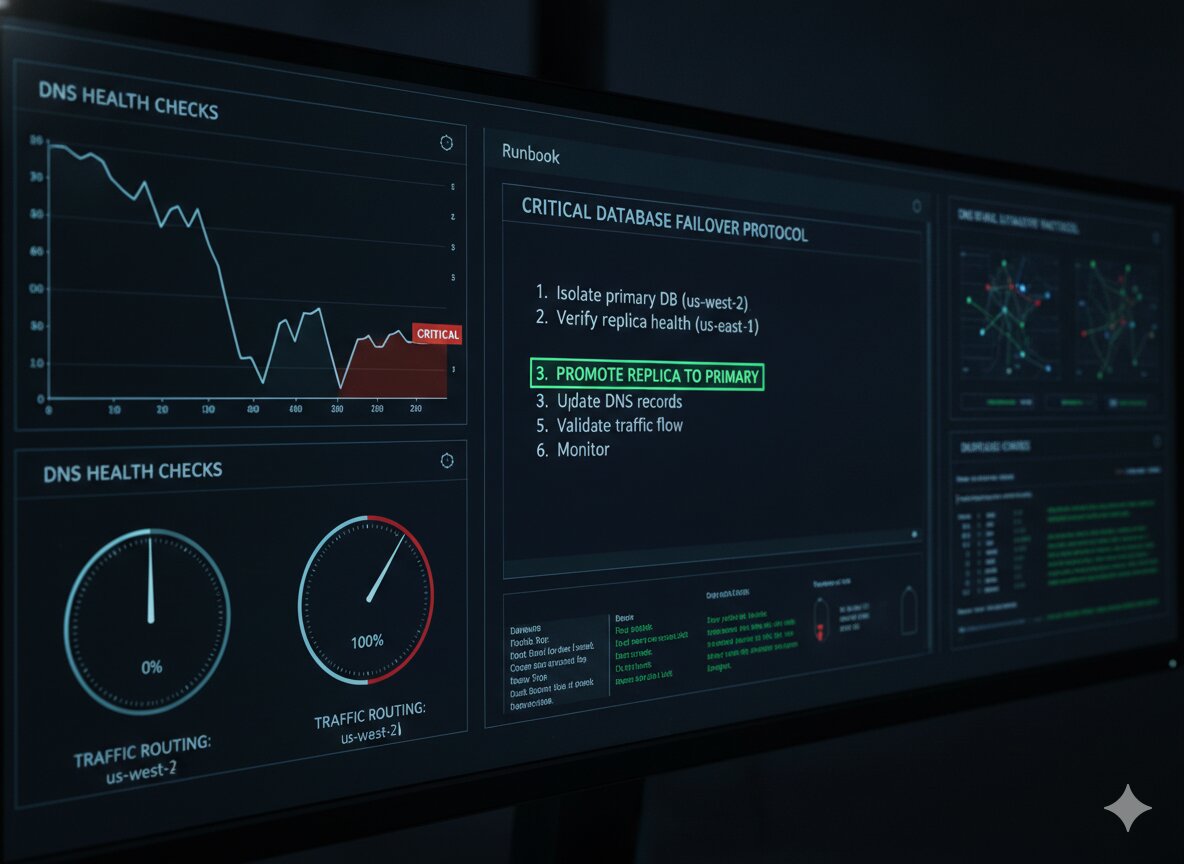
If you are applying for a TPM role, this question often appears as: "The site is down. How do you manage the incident?"
The logic is the same, but the focus shifts to Communication:
- Triage: How bad is it? (Sev1 vs. Sev3).
- Mitigate: Roll back the code before finding the root cause. Stop the bleeding first.
- Communicating: Who needs to know? (Stakeholders, PR, Legal).
- Post-Mortem: How do we prevent this from happening again?
The "Hypothesis" Trap
A common mistake is offering a solution too early.
- Bad: "I bet it's a server error. I'd check the logs."
- Good: "I would first segment by platform. If the drop is isolated to iOS, then I would hypothesize it’s related to the recent v4.2 app release."
Data first. Hypothesis second.
Become the Detective
This interview is actually fun once you know the steps. It’s a puzzle.
Our Mastering Product Management Guide and TPM Prep Kit provide:
- The "Metric Tree" Cheat Sheet: A visual guide to breaking down High-Level metrics (Revenue) into Input metrics (Traffic x Conversion).
- 10 Practice Cases: Real questions from Google and Meta (e.g., "Uber cancellations are up," "Netflix signups are down").
- The "Post-Mortem" Template: How to structure a TPM incident report.
👉 Get the PM Prep Guide or Get the TPM Prep Kit today.
FAQs
Q1: What if I run out of ideas?Go back to the user journey. Walk through the steps a user takes: Open App -> Search -> Click Video -> Watch. Ask, "Is the drop at the 'Search' step or the 'Click' step?" This usually unlocks new clues.
Q2: Do I need to know SQL?No. You need to know what to ask the Data Scientist, not how to write the query. "I would ask the analyst to pull retention rates by cohort" is a perfect answer.
Q3: How long should this take?This is usually a 15-20 minute conversation. It’s a dialogue. The interviewer acts as the "Data Source," and you ask them questions to get the data.





















.jpg)