Introduction
In Technical Program Manager (TPM) interviews, metrics are a crucial part of how interviewers assess your ability to measure success, drive accountability, and ensure program impact. TPMs are expected to not only deliver projects but also prove their effectiveness through quantifiable outcomes.
This guide will help you understand what kinds of metrics you’ll be asked about, how to incorporate them into your answers, and how to use them to demonstrate your leadership and results-driven mindset.
Why Metrics Matter in TPM Interviews
Metrics are how TPMs show value. They provide evidence of execution excellence and stakeholder alignment.
Interviewers evaluate whether you can:
- Define measurable goals for complex programs
- Track progress across engineering and product teams
- Communicate performance insights to leadership
Metrics transform vague claims like “I improved delivery timelines” into “I reduced release cycle time by 20% across three teams.”
Common Types of TPM Metrics
1. Delivery Metrics
These measure execution efficiency and on-time delivery:
- % of milestones achieved on schedule
- Number of blockers resolved per sprint
- Lead time and cycle time improvements
2. Quality Metrics
TPMs track product reliability and technical excellence through:
- Defect density and resolution rate
- Deployment success rate
- Uptime or SLA compliance
3. Productivity Metrics
These help assess how efficiently teams are working:
- Story points completed per sprint
- Team velocity consistency
- Cross-team dependency resolution rate
4. Business Impact Metrics
TPMs should link technical programs to business outcomes:
- Increase in user adoption or engagement
- Cost reduction due to automation
- Revenue growth from improved feature delivery
How to Use Metrics in Interview Answers
1. Use the STAR Framework with Numbers
When answering behavioral questions, include metrics in your Results section.
Example:
“I introduced automated testing that reduced regression time by 30% and improved release frequency by 25%.”
2. Show Ownership Through Data
Demonstrate that you didn’t just track metrics—you drove them.
Example:
“I set up a KPI dashboard to monitor delivery velocity and led retrospectives to improve sprint efficiency.”
3. Tailor Metrics to Company Focus
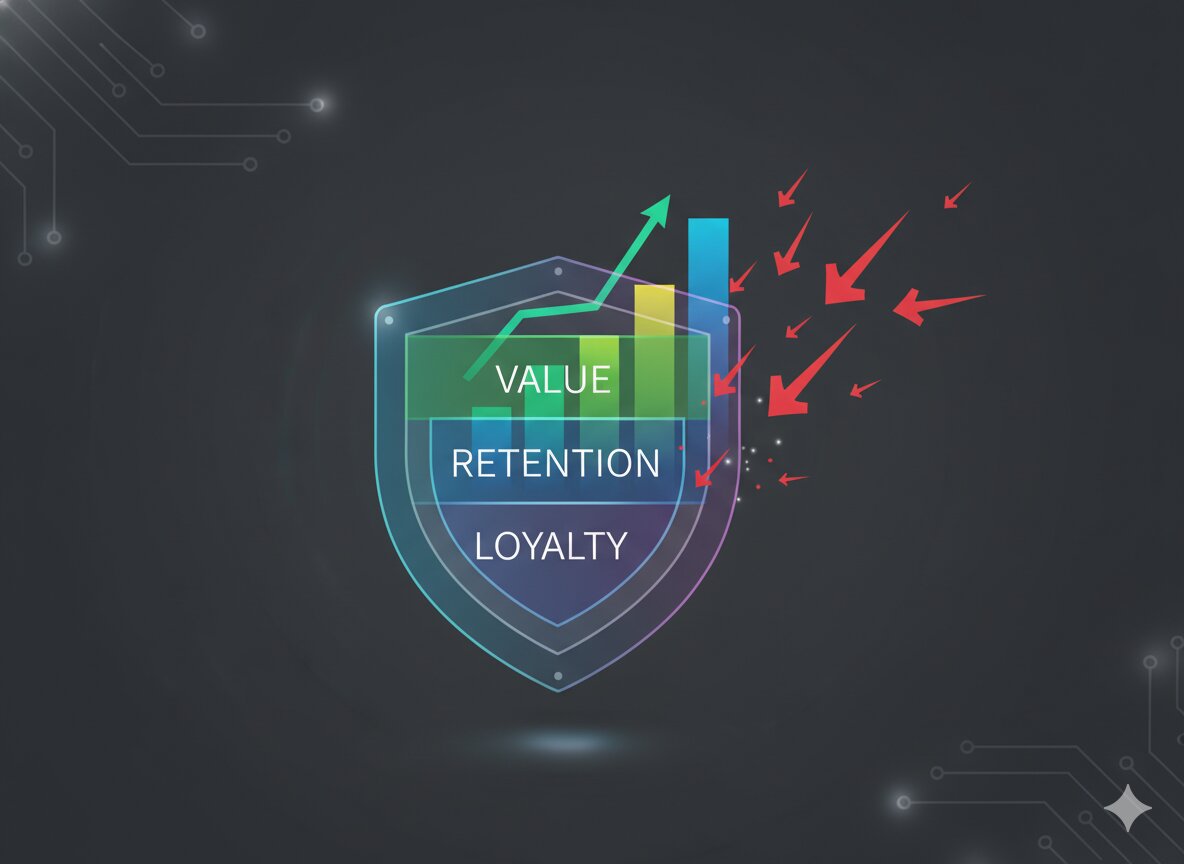
If you’re interviewing at a customer-focused company, emphasize NPS or retention.
For engineering-driven firms, focus on scalability and technical KPIs.
How KRACD.com Helps You Master Metrics in TPM Interviews
At KRACD.com, we help TPM candidates:
- Identify impactful metrics relevant to their experience
- Practice incorporating quantitative results into interview responses
- Build data-driven storytelling frameworks for behavioral rounds
- Prepare metrics dashboards and examples to discuss with confidence
👉 With KRACD.com, you’ll learn to speak the language of metrics and impress every interviewer with clear, results-oriented communication.
Conclusion
Metrics are more than numbers—they’re proof of your impact as a TPM. By tying your accomplishments to measurable results, you’ll demonstrate a structured, outcome-driven approach that every hiring manager values.
FAQs
Q1: What if my past projects didn’t have defined metrics?
You can create proxy metrics—like delivery velocity, release frequency, or risk reduction percentages—to demonstrate improvement.
Q2: How much detail should I include in metric-based answers?
Keep it concise. Mention the metric, impact, and context, not the raw data.
Q3: Are metrics discussed in all TPM interviews?
Almost always. Metrics help interviewers gauge your program impact and leadership maturity.
Q4: Can KRACD.com help me build metric-based interview stories?
Absolutely. KRACD.com provides templates, examples, and expert coaching to help you quantify your achievements effectively.























.jpg)