Beyond the Hype: The TPM's Playbook for Leading Generative AI Programs

Generative AI (GenAI) is no longer a futuristic concept; it's a core component of the new tech stack. For Technical Program Managers (TPMs), this shift presents the single greatest opportunity to move from a technical executor to a strategic business partner. Leading a GenAI program isn't just about managing APIs or new infrastructure. It's about navigating ambiguity, managing unprecedented cross-functional risks, and delivering transformative value. In this blog, we'll outline the TPM's playbook for successfully leading GenAI programs, ensuring you're not just participating in the hype but harnessing it for measurable impact.

Beyond the Hype: The TPM's Playbook for Leading Generative AI Programs

Introduction

Generative AI (GenAI) is no longer a futuristic concept; it's a core component of the new tech stack. For Technical Program Managers (TPMs), this shift presents the single greatest opportunity to move from a technical executor to a strategic business partner. Leading a GenAI program isn't just about managing APIs or new infrastructure. It's about navigating ambiguity, managing unprecedented cross-functional risks, and delivering transformative value.

In this blog, we'll outline the TPM's playbook for successfully leading GenAI programs, ensuring you're not just participating in the hype, but harnessing it for measurable impact.

Why GenAI Changes the Game for TPMs

Leading a traditional program is already one of the toughest jobs in tech. Landing a TPM role at a top-tier company like Google or Meta often means facing acceptance rates as low as 1%. Now, GenAI adds a new layer of complexity that interviewers are actively probing for.

GenAI programs introduce new variables that demand a strategic TPM's oversight:

  • Ambiguous Outcomes: Unlike a database migration, the "definition of done" for a GenAI feature is often fluid, depending on model accuracy and user trust.
  • New Stakeholders: You must build deep partnerships not just with Engineering, but with Legal, Data Science, Ethics, and Finance (to manage high compute costs). This tests your cross-functional leadership, a core pillar of the TPM interview.
  • New Risk Landscape: You're managing risks far beyond system latency. You’re now responsible for data privacy, model "hallucinations," ethical bias, and intellectual property compliance. This is program sense and risk management  at a scale most TPMs have never faced.

A TPM who can successfully navigate this landscape becomes indispensable.

How TPMs Can Lead GenAI-Driven Programs

1. Define Business Value, Not Just Technical Features

The biggest failure in GenAI programs is using the tech for its own sake. Before a single model is tested, the TPM must drive stakeholders to a crisp answer:

  • What specific user problem are we solving or what business process are we improving?
  • What is the non-AI baseline we are measuring against?
  • Collaborate with Product to define KPIs that go beyond technical delivery (e.g., "Reduce customer support resolution time by 30%" vs. "Integrate the LLM API").

2. Master the New Dependencies

Your dependency map must now account for entirely new workstreams. As a TPM, your map must include:

  • Data Pipeline: Is the training data clean, secured, and properly permissioned? This is often the biggest bottleneck.
  • Legal & Compliance Review: Does the model's data usage and output respect privacy laws (like GDPR ) and avoid IP infringement? This is a "Day 0" dependency.
  • Ethical & Bias Testing: Have you planned for a "red-teaming" phase to test for biased, harmful, or toxic outputs?
  • "Human-in-the-Loop" (HITL): Where in the process will a human review the AI's output before it goes live? This is a critical workflow to build and resource, and a key test of your cross-functional execution skills.

3. Report on a New Set of Metrics

Leadership doesn't just want to know if the service is "up." They want to know if it's "working" and "safe." Your dashboards must evolve:

  • Technical Metrics: API latency, availability.
  • Model Metrics: Accuracy, "hallucination" rate, cost-per-query (token usage).
  • Business Metrics: User adoption, task completion rate, ROI (cost-savings or revenue generated).

4. Communicate with Precision and Confidence

Your communication plan is vital. You must translate complex topics for different audiences:

  • For Engineers: Focus on model versions, data schemas, and API contracts.
  • For Leadership: Focus on business value, risk mitigation, and the clear "go/no-go" criteria for launch.
  • Use the STAR (Situation, Task, Action, Result) method, where the Result includes business and risk-mitigation outcomes. This is exactly what hiring managers are trained to look for.

Stop Guessing: How Kracd.com Gives You the AI TPM Playbook

At Kracd.com, we know these GenAI questions are the new frontier. Our TPM Interview Prep Kit, created by industry veteran Anupam Singhal, is designed to make you an expert on these emerging topics.

Instead of generic advice, you get the proven playbook:

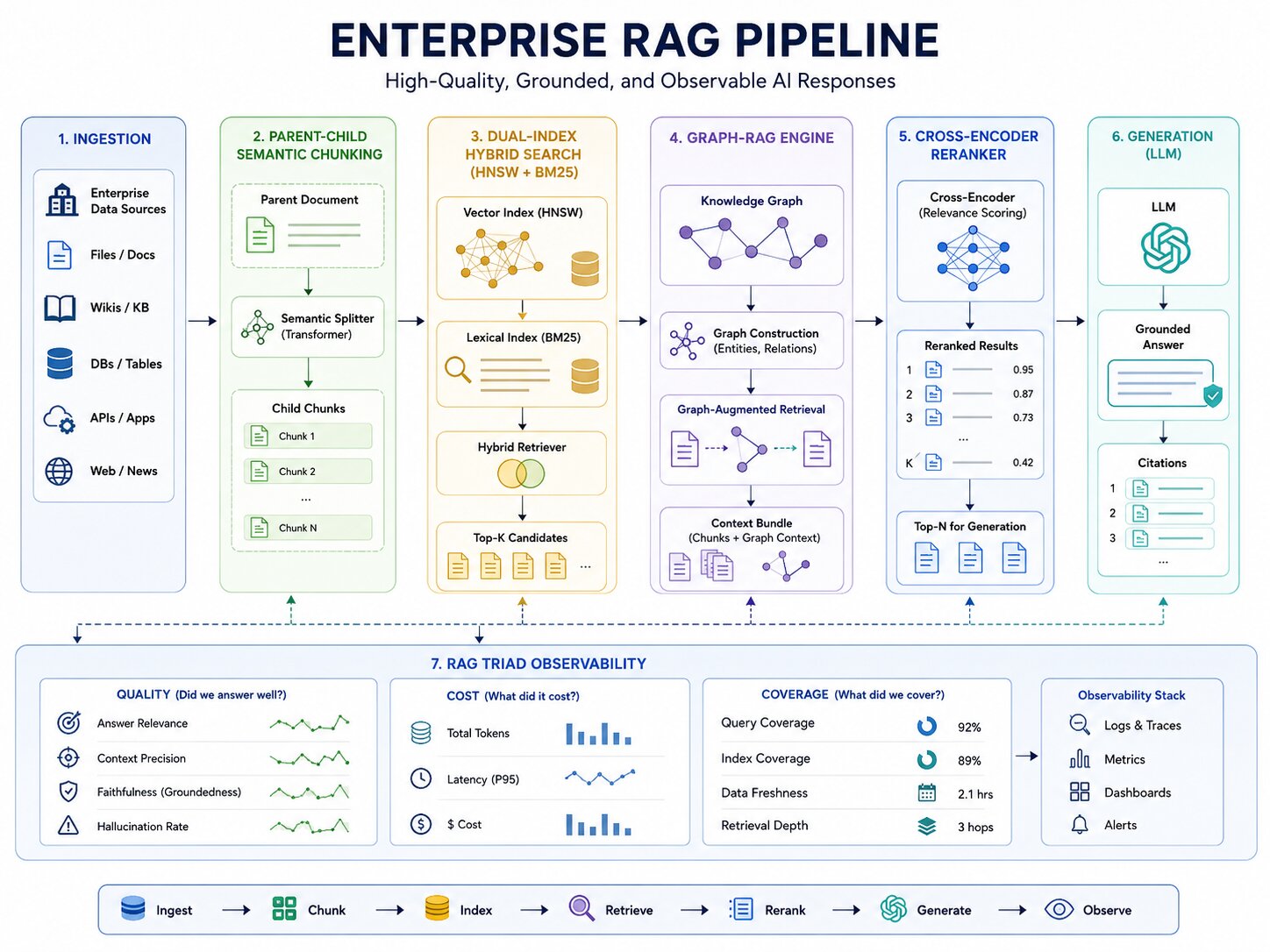
  • FAANG-Level Mock Interviews: Don't just practice. Practice with actual hiring managers and technical leads from FAANG companies. We'll drill you on the specific GenAI scenarios you'll face: "How do you manage the risk of model hallucinations?" or "What is your system design for a scalable RAG pipeline?"
  • The Hiring Manager's Rubrics: We give you the actual rubrics top tech companies use to grade your answers on System Design , Program Sense , and Cross-Functional Leadership. You'll learn to speak the exact language your interviewer is trained to value.
  • The $100k+ Negotiation Playbook: Landing the job is only the first step. Our course includes "7 Confidential Strategies" for salary negotiation that have helped TPMs secure $10,000 to over $100,000 in additional compensation. This course is an investment that pays for itself.

👉 Don't just pass the interview—ace the offer. Get the proven TPM Interview Prep Kit from Kracd.com today and become the AI-driven leader they are desperate to hire.

Conclusion

The future of technical program management is being defined now. TPMs who master the fundamentals of leading AI programs—focusing on business value, managing new risks, and communicating with clarity—will build the next generation of technology and become the most sought-after leaders in the industry.

FAQs

Q1: Do I need to be a data scientist or ML engineer to lead GenAI programs?

No. You need to be what you are: a great TPM. You don't need to build the model, but you must understand the process—data ingestion, training vs. fine-tuning, and the critical dependencies (data, legal, ethics) that can block the program.

Q2: How do I start if my company is just beginning its AI journey?

Start small. Propose a program for an internal tool first (e.g., an AI-powered documentation search). This lowers the risk, allows the team to learn, and lets you build the program-management "muscles" for AI before tackling a high-stakes, external-facing product.

Q3: How can Kracd.com help me talk about AI in interviews if I have no direct experience?

This is exactly what our program is built for. We teach you how to reframe your existing experience using the STAR framework. Managing a complex data-privacy project is relevant. Managing a project with high ambiguity is relevant. Our 1:1 coaching  and frameworks give you the exact scripts and stories to map your past successes to the new challenges of AI, allowing you to answer with authority and confidence.

Ready to Master Your Next Interview?

Whether you're targeting a role in Technical Program Management or Product Management, Kracd.com has the expert-led prep kits to get you hired.

Read more blogs

How to Deploy and Validate a New AI Model: The "SAFE-ROLLOUT" Testing Framework
How to Manage a High-Stakes Project Slip: The "SCOPE-ALIGNED" Mitigation Framework
How to Handle an AI Model Regression: The "MODEL-VALIDATE" Diagnostic Framework
Tell Me About a Time You Failed: The "BOUNCE-BACK" Behavioral Framework
How to Handle a Dropping Metric: The "ROOT-CAUSE" Analytical Framework
How to Architect a Globally Scalable Notification Engine: The "FAN-OUT" Priority Delivery Framework
How to Architect an Enterprise-Grade Vector Search Engine: The "VECTOR-SHARD" Data Framework
How to Architect a High-Concurrency API Gateway: The "GATE-KEEPER" Edge Routing Framework
How to Architect a Distributed Telemetry & Logging System: The "TRACE-STREAM" Observability Framework
How to Architect an Enterprise LLM Deployment: The "RAG-OPS" Production Scale Framework
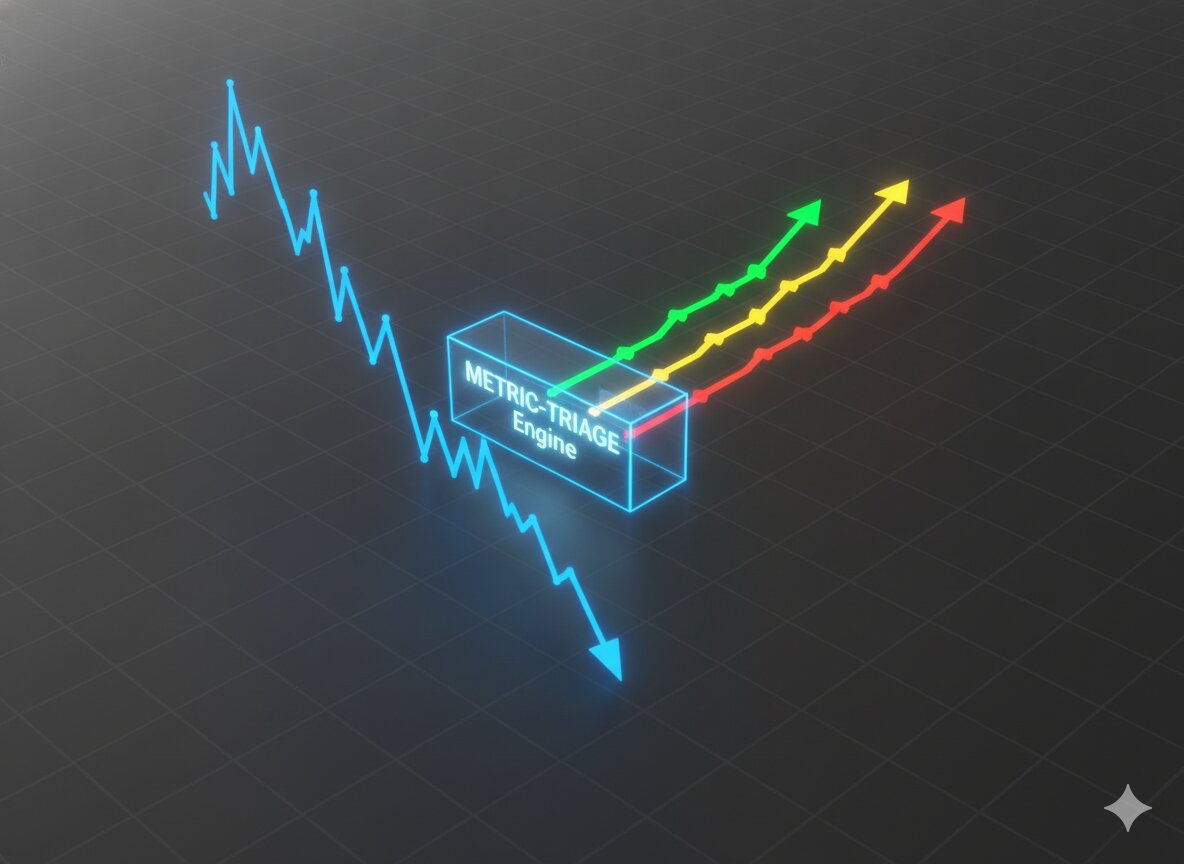
How to Handle a Dropping Metric: The "METRIC-TRIAGE" System Design Framework
How to Architect a Globally Scalable Financial Ledger System: The PM & TPM "LEDGER-BALANCE" Framework
How to Architect a Globally Scalable Real-Time Ad Bidding & Ad Tech Exchange: The PM & TPM "RTB-AUCTION" Framework
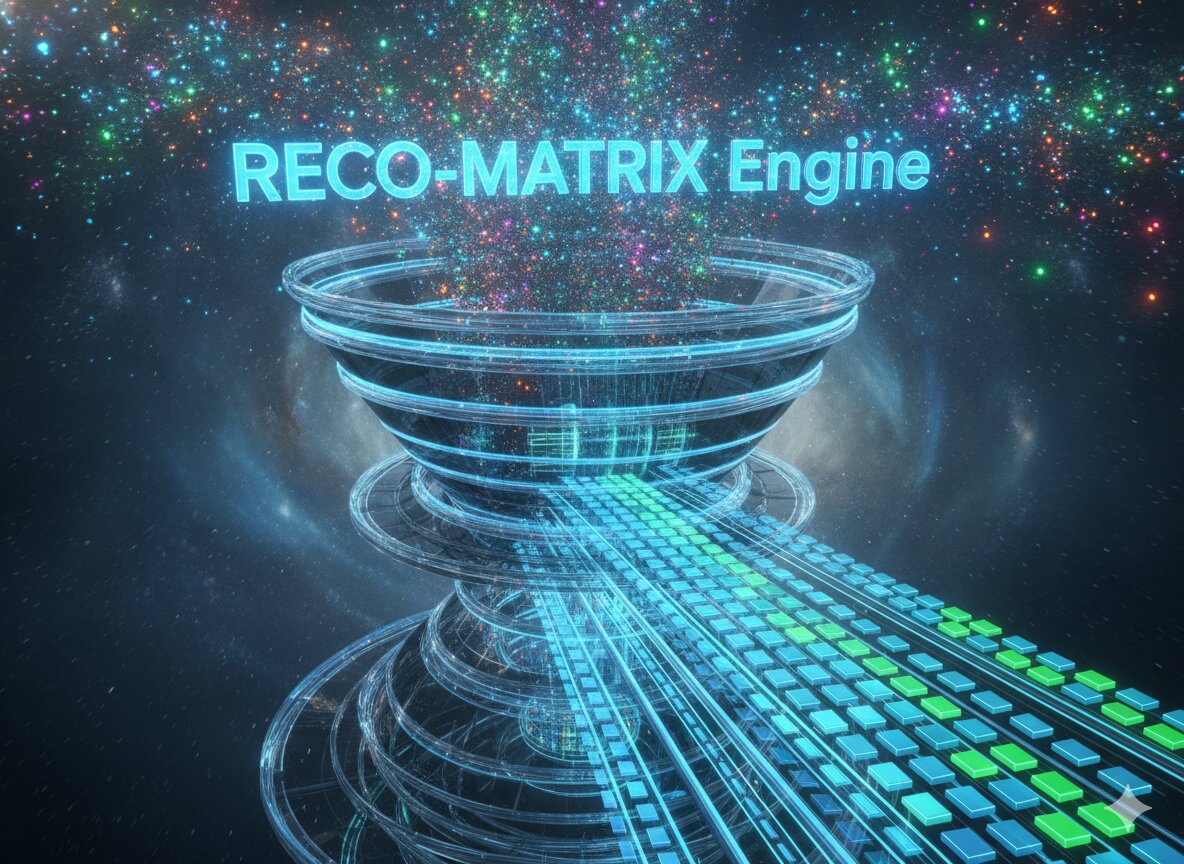
How to Architect a Globally Scalable Real-Time Recommendation Engine: The PM & TPM "RECO-MATRIX" Framework
How to Architect an Enterprise LLM Evaluation & Monitoring Pipeline: The PM & TPM "GUARD-RAIL" Framework
How to Design an Enterprise Agentic AI Workflow: The PM & TPM "ORCHESTRATE-AGENT" Framework
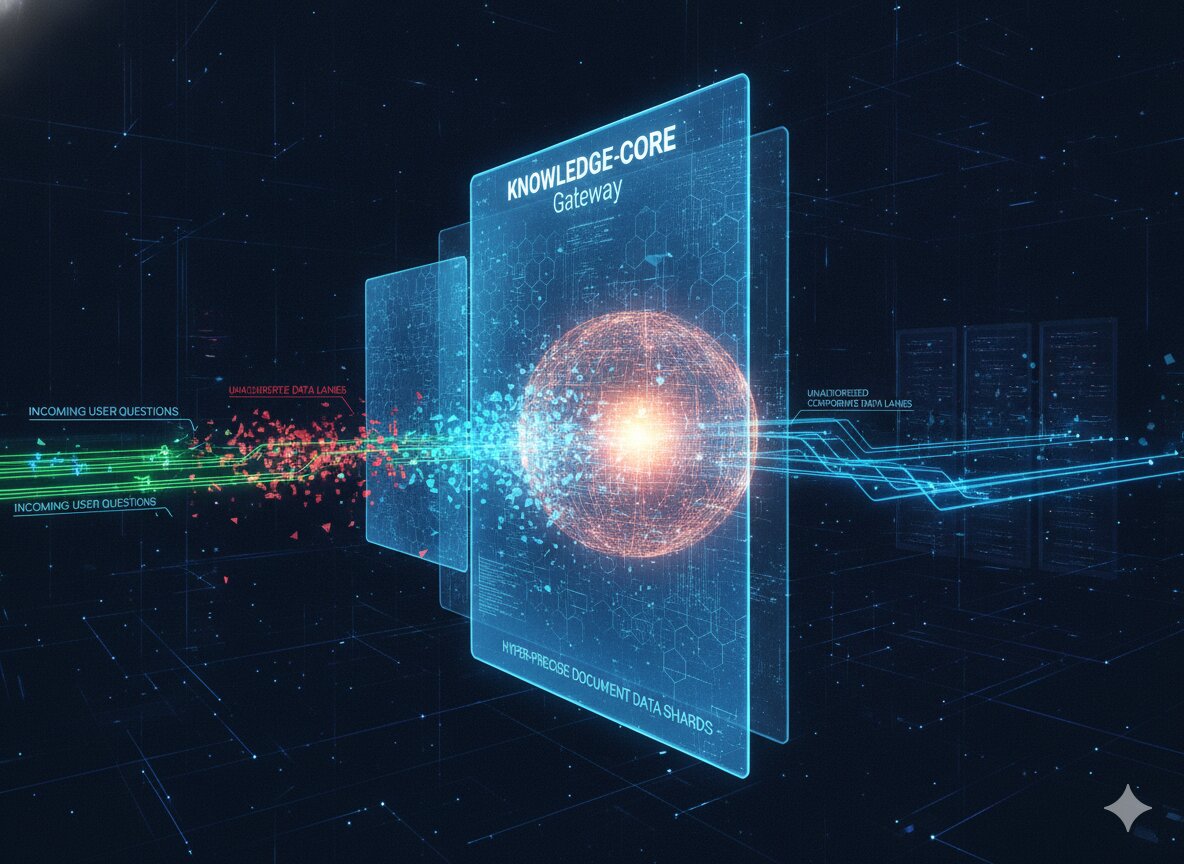
How to Architect an Enterprise Retrieval-Augmented Generation (RAG) Architecture: The PM & TPM "KNOWLEDGE-CORE" Framework

How to Architect a Globally Scalable Event-Driven Architecture: The PM & TPM "STREAM-FLOW" Framework
How to Manage Cache Invalidation and Consistency: The PM & TPM "CACHE-CLEAR" Framework
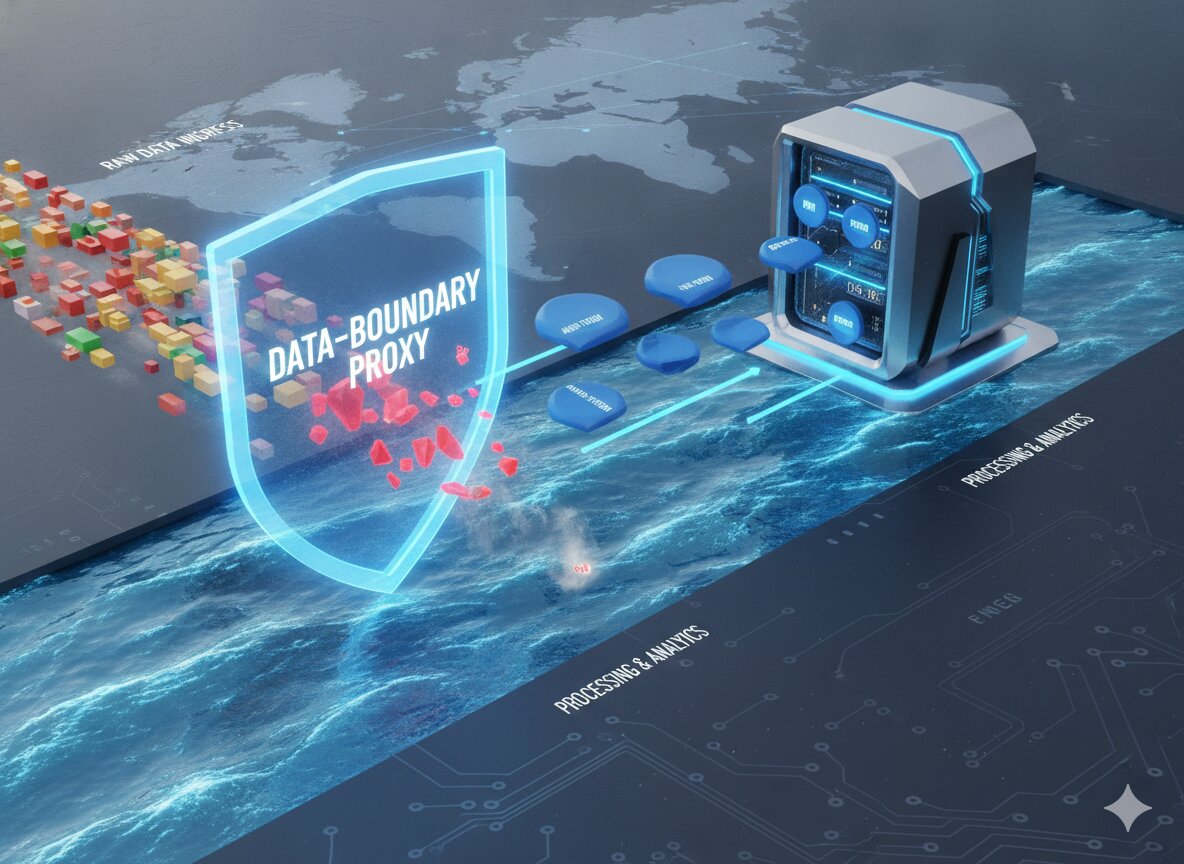
How to Manage Data Privacy and Cross-Border Transfers: The PM & TPM "DATA-BOUNDARY" Framework
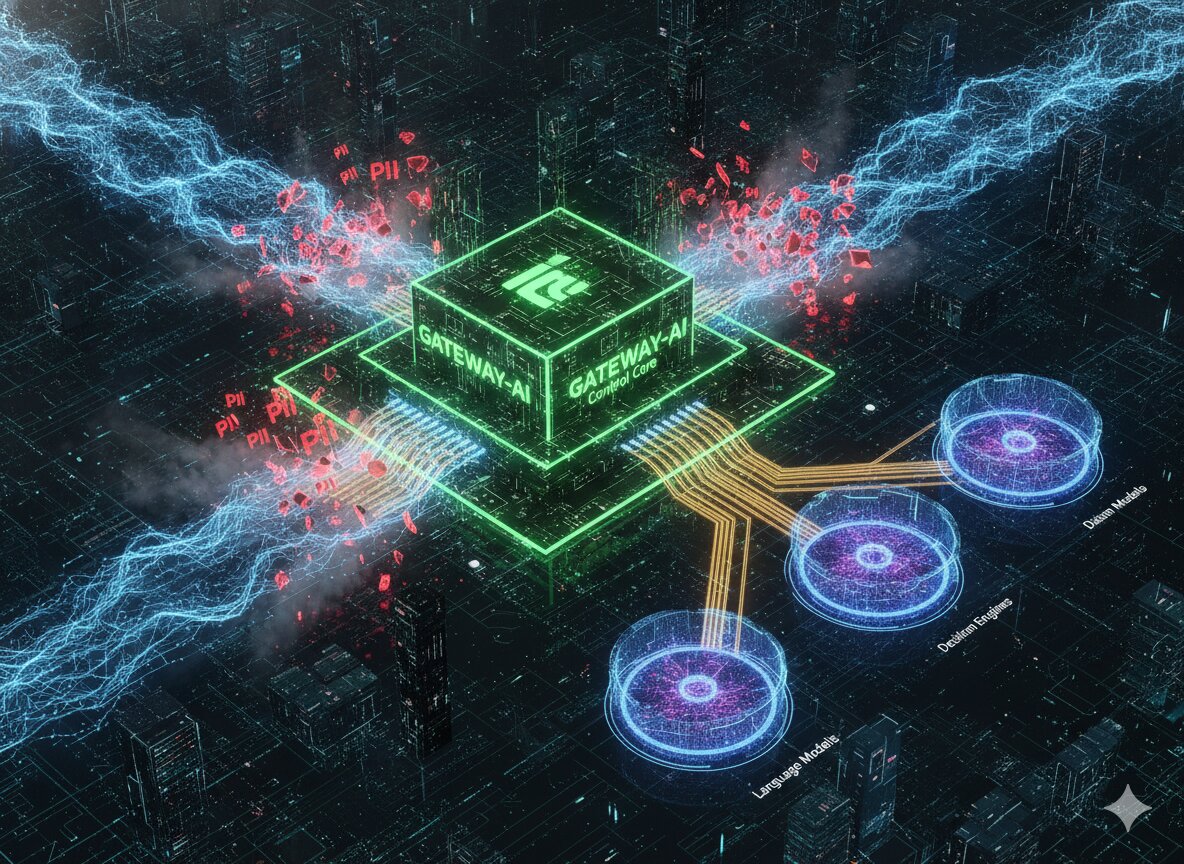
How to Design an Enterprise AI Orchestration Layer: The PM & TPM "GATEWAY-AI" Framework
How to Architect a High-Throughput API Gateway: The PM & TPM "GATE-KEEPER" Framework
How to Diagnose and Fix a Dropping Metric: The PM & TPM "METRIC-TRIAGE" Framework
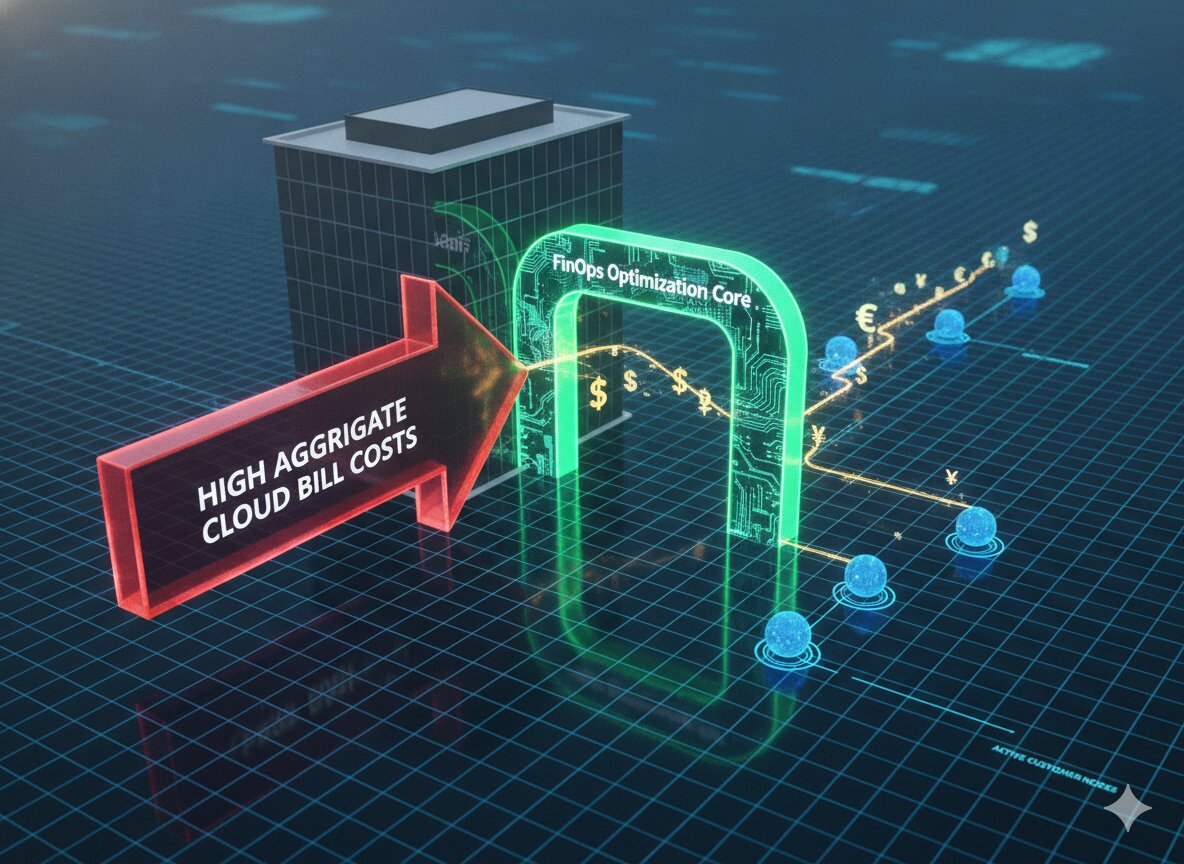
How to Optimize Cloud Infrastructure Unit Economics: The PM & TPM "FIN-SCALE" Framework
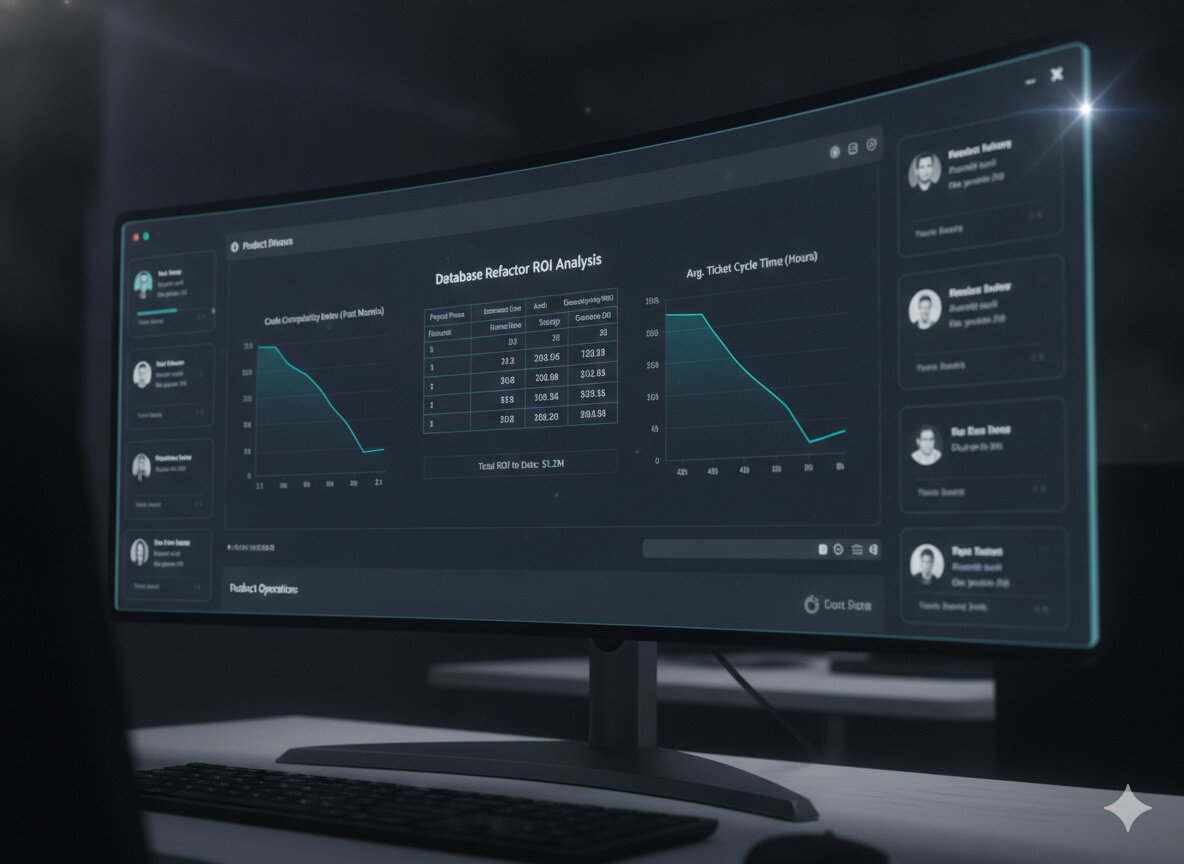
How to Manage Technical Debt and Refactoring Backlogs: The PM & TPM "PAY-DOWN" Framework
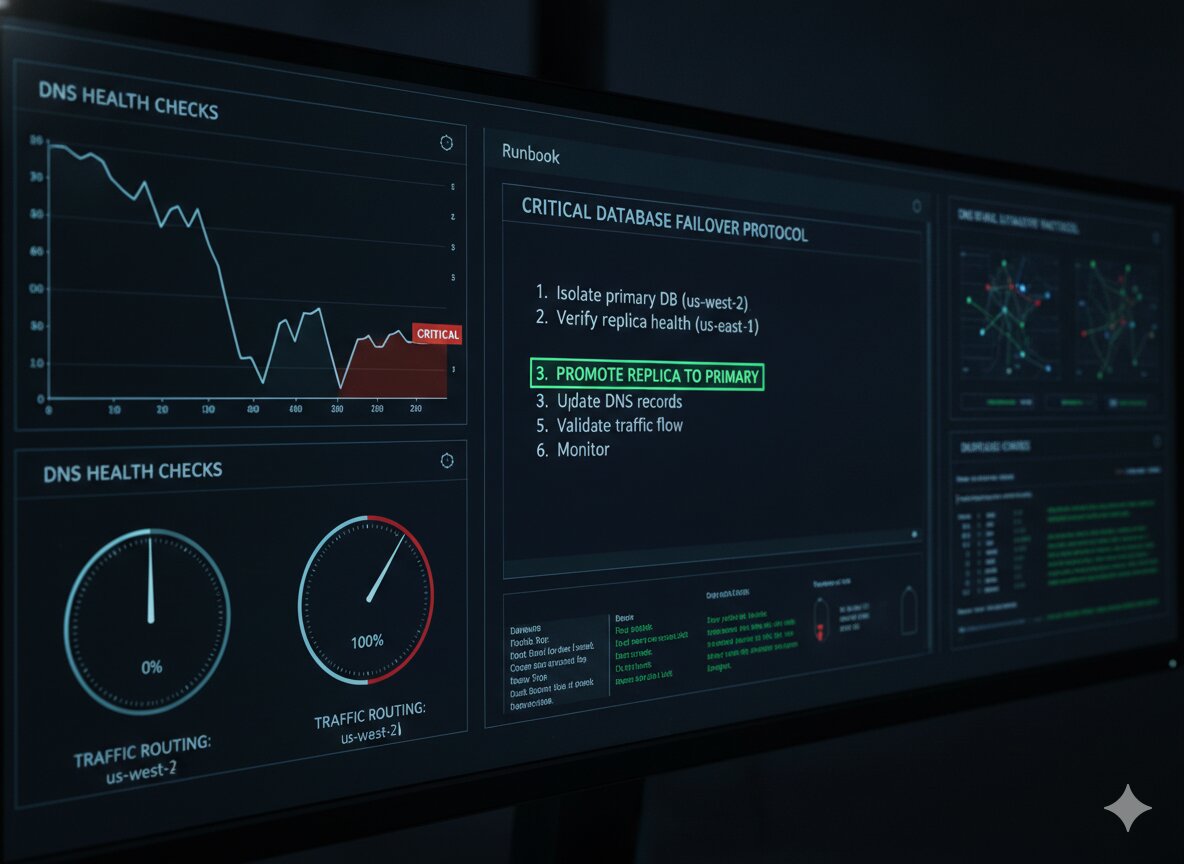
How to Coordinate Multi-Region Cloud Failovers: The PM & TPM "ZONE-DEFENSE" Framework
How to Orchestrate Massive API Deprecations Without Breaking Ecosystems: The PM & TPM "DECOUPLE-FLOW" Framework
How to Lead Large-Scale Corporate AI Transformations: The PM & TPM "CORE-INTEGRATE" Framework
How to Scale Infrastructure Upgrades Without Downtime: The PM & TPM "LIVE-MIGRATE" Framework
How to Architect an AI-Powered Quality Assurance & Release Engine: The PM & TPM "BUG-SHIELD" Framework
How to Formulate the Ultimate "Product-to-Engineering" Spec Engine: The PM & TPM "TECH-TRANSLATE" Framework
How to Leverage AI for Cross-Functional Product Alignment: The PM & TPM "SYNCHRONIZE" Framework
How to Build a Complete AI-Powered Agile Workflow: The PM & TPM "CORE-VELOCITY" Framework
How to Automate High-Friction Dependency Mapping and Jira Tracking: The "AUTO-TRACK" TPM Workflow
How to Handle a Critical API Rate Limiting and Service Degradation Crisis: The "THROTTLE-GUARD" Resilience Framework
How to Handle a High-Scale Database Crash During Peak Traffic: The "FAILOVER-SHIELD" Recovery Framework
How to Handle an Algorithmic Model Bias Crisis: The "ETHICAL-AUDIT" ML Governance Framework
How to Handle a Major Cloud Migration Failure: The "CLOUD-SAFETY" Rollback Framework
How to Handle a Major Technical Program Delay: The "RE-BASELINE" Schedule Recovery Framework
How to Handle a Database Sharding Migration: The "DATA-BALANCE" Scale Framework
How to Handle a Critical Third-Party API Sunset: The "DEPENDENCY-BUFFER" Integration Framework
How to Handle a Pricing Tier Change: The "PRICING-SHIELD" Revenue Framework
next How to Handle a Post-Launch Crisis: The "ROLL-BACK" Incident Management Framework
How to Handle a Critical API Migration: The "DECOUPLE-SAFE" Architecture Framework
How to Handle a Major System Outage: The "TRIAGE-SCALE" Technical Execution Framework
How to Resolve Cross-Functional Gridlock: The "BRIDGE-ALIGN" Trade-off Framework
How to Handle a Dropping Metric: The "DIG-DEEP" Root Cause Framework
How to Master the Behavioral Interview: The "STAR-GROWTH" Method
How to Lead a Product Launch: The "GTM-VELOCITY" Framework
How to Design a Product for the Next Billion Users: The "ADAPT-LIGHT" Framework
How to Negotiate Your Senior Tech Offer: The "VALUE-ANCHOR" Method
How to Master the Behavioral Interview: The "STAR-GROWTH" Method
How to Lead a Product Launch: The "GTM-VELOCITY" Framework
How to Design a Product from Scratch: The "EMPATHY-SCALE" Framework
How to Prioritize Features: The "RICE-VALUE" Framework
How to Design for the Next Billion Users: The "ADAPT-LIGHT" Framework
How to Build an AI-First Feature: The "RAG-EVAL" Framework
Move from a Monolith to Microservices: The "STRANGLE-SHIELD" Framework
How Do You Decide When to Build vs. Buy?: The "MOAT-LEVER" Framework
How Do You Handle a Conflict Between Engineering and Design?: The "TRIANGLE-TRADE" Framework
How Do You Manage a Delayed Project?: The "REALIGN-RECOVER" Framework
How Do You Design an API?: The "CONTRACT-FIRST" Framework
How Do You Prioritise a Roadmap?: The "ROI-ALIGN" Framework
How to Answer "Tell Me About a Time You Failed": The "PIVOT-OWN" Framework
How to Handle a Dropping Metric: The "SEGMENT-DRILL" Framework
The "Incentive-Alignment" Framework: Building in Web3
The "Value-Tradeoff" Framework: Mastering the Art of "No"
The "Cycle-Velocity" Framework: Building Viral Loops
The "Agentic-Utility" Framework: Building AI-First Features
The "Proxy-Experience" Framework: Mastering the Career Pivot
The "Throughput-Engine" Framework: Elite Productivity
The "Pause-Pivot" Framework: Leading the Room
The "Curated-Authority" Framework: Building Your Tech Brand
The "Throughput-First" Framework: Managing the Sprint
The "Segment-Drill" Framework: Winning with Data
The "Identity-Loop" Framework: Building the Community Moat
The "TTV" Framework: Mastering the First 5 Minutes
The "Red-Team" Framework: Building Ethical AI
The "Extensibility-First" Framework: Building the Ecosystem
The "Glocalization" Framework: Scaling Across Borders
The "PQL-Conversion" Framework: From User to Revenue
The "Phased-Velocity" Framework: Mastering the GTM
The "Win-Loss" Framework: Closing the Product-Market Gap
The "Post-Mortem" Framework: Institutionalizing Failure
The "Cognitive-Utility" Framework: Building AI-First
The "Product Health-Check" Framework: The First 30 Days
The "Moat-Mapping" Framework: Defending the Castle
The "Growth-Loop" Framework: Beyond the Marketing Funnel
The "Radical Clarity" Framework: Managing Underperformance
The "Proof of Work" Framework: Building a Career Magnet
The "Insight-Mining" Framework: High-Impact User Interviews
The "Executive-Pulse" Framework: High-Stakes Communication
The "Technical-Empathy" Framework: The Art of the 1:1
The "Elastic-Scale" Framework: Scaling from 1 to 100
The "Venture-Validation" Framework: Building from 0 to 1
The "Anchor & Lever" Framework: Negotiating $400k+ Total Comp (TC)
The "Asynchronous-First" Framework: Leading Distributed Teams
The "Value-Bridge" Framework: From Specialist to Strategist
The "Value-First AI" Framework: Integrating Intelligence Without the Gimmicks
The FAANG Interview Mastery Checklist: 10 Frameworks to Rule the Loop

Transform Your Career with Our Complete Learning Solutions

Discover our diverse offerings, including expert-led courses, free training sessions, and personalized consultation services designed to help you master project management and advance your career with confidence.

FREE Training

Crack your next TPM Interview

From unravelling the intricacies of TPM/PM interview structures to mastering system design to discover the keys to navigating cross-functional collaboration, decoding top interview questions, and fine-tuning your resume and LinkedIn profile, including negotiation frameworks, networking strategies, and much more!

Register Now

Trusted by over 9,600 students

Course

30-Day TPM Masterclass

Expect early technical assessments, followed by a focus on strategic thinking, leadership capabilities, and a thorough evaluation of program management proficiency. From engaging self-guided exercises to comprehensive guides, frameworks, and sample answers, our TPM interview preparation covers it all, including practice lessons, updated content, and mock interviews.

Learn More

Trusted by over 9,600 students

Interview Prep Kit

Ultimate TPM Interview Prep Kit

Master TPM interview skills with this comprehensive guide covering system design, program management, and cross-functional collaboration.

Includes real-world scenarios, sample questions, and expert tips for success.

Learn More

Trusted by over 9,600 students

Interview Prep Guide

Complete PM Interview Guide

Master product design, strategy, and leadership with this all-in-one guide for Product Management interviews.

Gain confidence with actionable advice, real-world examples, and tailored mock questions to secure your next PM role.

Learn More

Trusted by over 9,600 students

Consulting

1-on-1 Interview Prep

1-on-1 Interview PreparationGet personalized guidance to ace your next interview with confidence. Our 1-on-1 interview preparation sessions focus on your unique strengths and areas for improvement. From tailored practice questions and feedback to mastering behavioral and technical responses, we ensure you're fully prepared to impress and secure your dream role.

Book a call

Trusted by over 9,600 students

Free Training

Unlock  Free Training

Get access to free training that reveals "How To crack your next TPM INTERVIEW In Just 30 Days!"

Gain exclusive access to expert-led training sessions designed to equip you with the skills, strategies, and confidence to excel in Technical Program Management.

Enroll now

Trusted by over 9,600 students